In our fast-paced world, where technology often seems to divide us, the concept of a connected learning experience emerges as a beacon of hope.
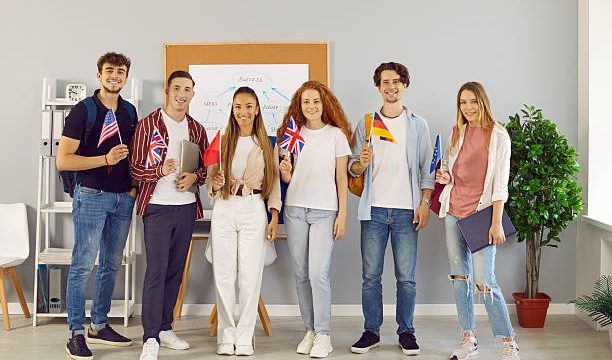
This approach invites individuals from diverse backgrounds to engage, share, and grow together, fostering a sense of community and collaboration.
Imagine a space where learning transcends traditional boundaries, inviting everyone to participate in a rich tapestry of knowledge and understanding.
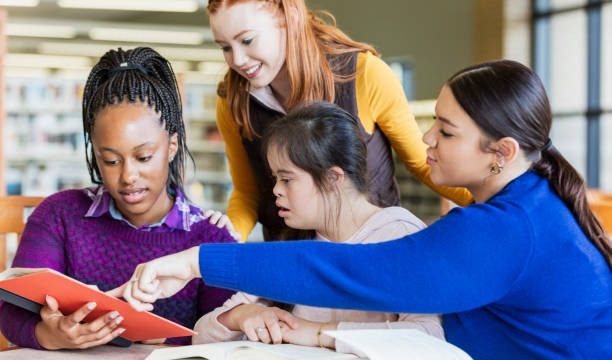
The heart of a connected learning experience is the idea that education should be accessible and inclusive. It recognizes that each person brings unique perspectives and insights, enriching the learning environment. This inclusivity is not just about being present; it’s about actively participating in a shared journey of discovery. When learners feel valued and empowered, they are more likely to engage deeply and contribute meaningfully.
Creating an environment where everyone feels connected requires a gentle shift in mindset. It begins with recognizing the importance of empathy and understanding. In a connected learning experience, it isn’t just about the transfer of knowledge; it’s about building relationships. When learners feel that their voices matter, they are more inclined to share their thoughts, ideas, and experiences. This exchange fosters a culture of mutual respect, where everyone is encouraged to explore and express themselves freely.
Embracing technology in this learning journey can enhance connectivity, but it’s essential to approach it mindfully. Digital tools can bridge gaps and bring people together, allowing for collaboration across distances. However, it’s crucial to balance the digital with the personal. Engaging in face-to-face interactions, whether in a classroom or a community setting, reinforces the connections formed online. This blend of experiences creates a holistic learning environment that nurtures both the mind and the spirit.
As we explore the different facets of connected learning, we recognize the role of mentorship and guidance. Experienced learners can share their wisdom, while newcomers bring fresh perspectives. This dynamic creates a vibrant exchange of ideas, where everyone learns from one another. Mentors can help guide discussions, provide support, and encourage exploration, fostering a sense of belonging within the learning community. This nurturing atmosphere allows for growth, not just academically, but personally as well.
A small shift toward balance can make a significant difference in how we engage with learning. It’s essential to cultivate a mindset that values curiosity and exploration over competition. In a connected learning experience, the focus shifts from grades and rankings to the joy of discovery and shared learning. This approach encourages individuals to pursue their interests and passions, leading to a more fulfilling educational journey.
Incorporating diverse learning styles and preferences is also vital in creating a connected experience. Each learner is unique, with different ways of processing information and expressing themselves. By embracing this diversity, we create a richer learning environment that caters to various needs. Whether through visual aids, hands-on activities, or collaborative projects, offering multiple avenues for engagement can enhance understanding and retention.
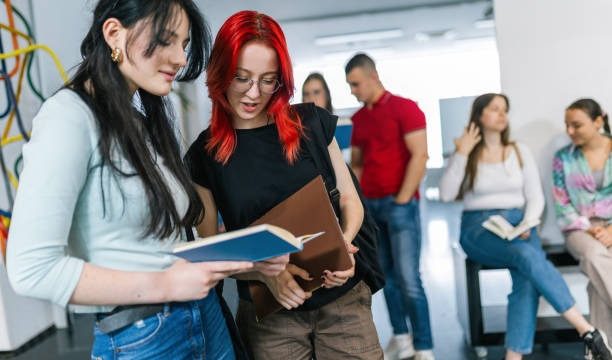
Moreover, the role of community cannot be overstated. Learning is often more effective when it occurs within a supportive network. When individuals feel connected to their peers, they are more likely to take risks, ask questions, and seek help when needed. Building a sense of community involves creating safe spaces where learners can share their challenges and triumphs without fear of judgment. This supportive atmosphere nurtures resilience and fosters a deeper connection to the learning process.
As we navigate the complexities of our modern lives, it’s essential to remember the importance of self-care in the learning experience. A connected learning environment encourages individuals to prioritize their well-being. This means recognizing when to take a step back and recharge, allowing for a more sustainable approach to education. When learners feel balanced and centered, they are more equipped to engage with the material and their peers meaningfully.
Incorporating mindfulness practices into the learning experience can enhance this sense of balance. Simple techniques, such as deep breathing or reflective journaling, can help individuals ground themselves, fostering a greater connection with their thoughts and emotions. By encouraging moments of stillness, we create space for deeper reflection and insight, enriching the overall learning experience.
As we envision a future where connected learning flourishes, it’s essential to consider the role of lifelong learning. The journey of education doesn’t end with formal schooling; it continues throughout our lives. Embracing a mindset of lifelong learning allows individuals to remain curious and engaged, seeking out new experiences and knowledge. This ongoing commitment to learning fosters adaptability and resilience, preparing us to navigate an ever-changing world.
Ultimately, a connected learning experience is about more than just acquiring knowledge; it’s about building relationships, fostering community, and nurturing personal growth. It invites us to embrace our differences and unite in our shared pursuit of understanding. By cultivating a culture of empathy, curiosity, and support, we can create environments that uplift and inspire every learner.
As we move forward, let us remember the power of connection in our educational journeys. Each interaction, each shared experience, contributes to a vibrant tapestry of learning that enriches us all. Together, we can transform the landscape of education, ensuring that every individual feels valued and empowered to embark on their unique learning path. In this journey, we find not only knowledge but also a sense of belonging, purpose, and joy.