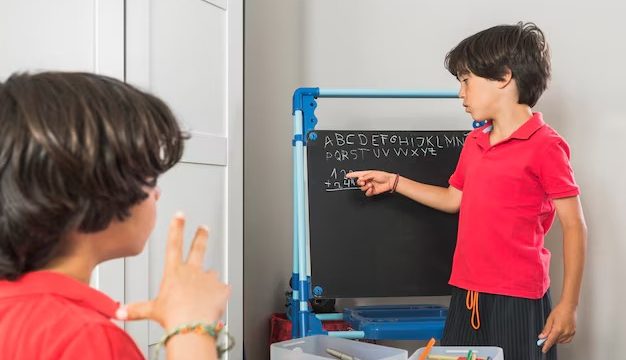
In a world where communication is more vital than ever, finding the right balance between precision and warmth can transform our interactions.
Whether we’re speaking to a friend, a colleague, or even a stranger, the way we express ourselves shapes our relationships and creates connections.
Speaking with precision ensures that our message is clear, while warmth invites understanding and empathy. Together, these qualities can elevate our conversations and deepen our bonds with others.
A gentle approach to clarity
To communicate with precision, it’s essential to be clear about what you want to say. This doesn’t mean you have to be overly formal or rigid; rather, it involves being intentional with your words. Take a moment to think about the essence of your message before you speak. Consider what you want the other person to take away from your conversation. This clarity allows you to articulate your thoughts more effectively and minimizes the chance of misunderstandings.
Listening is a cornerstone of precision. When we actively listen, we not only gather information but also show respect for the person speaking. By paying attention to their words, tone, and body language, we can respond appropriately and ensure that our replies are relevant. This mindful engagement fosters a dialogue that flows naturally, making it easier to express ourselves with both precision and warmth.
Cultivating a warm tone
Warmth in communication often comes from our tone and body language. A soft, inviting tone can make even the most straightforward message feel more personal and engaging. When you speak, consider your inflection and pace. Slowing down your speech can convey thoughtfulness and sincerity, while a friendly tone invites openness. Additionally, maintaining eye contact and using gentle gestures can enhance the warmth of your communication.
Empathy plays a significant role in creating warmth. When we express understanding and acknowledge the feelings of others, we build a bridge that connects us. Phrases like “I understand how you feel” or “That sounds challenging” can go a long way in making someone feel heard and valued. This empathetic approach doesn’t just enrich our conversations; it also encourages the other person to share more openly, fostering a deeper connection.
Finding a balance between clarity and warmth
Striking the right balance between precision and warmth can sometimes feel like a delicate dance. It’s essential to remember that both elements can coexist beautifully. For instance, when delivering constructive feedback, clarity is crucial to ensure the message is understood. However, presenting this feedback with kindness can soften its impact and encourage growth.
One way to achieve this balance is by using “I” statements. Instead of saying, “You did this wrong,” you might say, “I noticed that there was a misunderstanding about the project.” This approach maintains clarity while expressing your perspective without placing blame. It opens the door for dialogue, allowing the other person to respond positively.
Creating a safe space for conversation
A warm and inviting environment can significantly influence how we communicate. When we feel safe and accepted, we are more likely to express ourselves freely. Consider the physical space where conversations take place. A comfortable setting, whether it’s a cozy café or a quiet corner in your home, can encourage open dialogue. Being mindful of your body language and facial expressions also contributes to this safe space. A genuine smile or a nod of understanding can make a world of difference in how your message is received.
In addition to the physical environment, emotional safety is equally important. Allowing vulnerability in conversations can lead to deeper connections. When we share our own feelings and experiences, it encourages others to do the same. This mutual exchange fosters an atmosphere of trust and understanding, where both parties can communicate with precision and warmth.
Practicing mindfulness in communication
Mindfulness can be a powerful tool in enhancing our communication skills. By being present in the moment, we can better attune ourselves to the nuances of conversation. This awareness allows us to respond thoughtfully rather than react impulsively. When we practice mindfulness, we become more aware of our emotions and how they influence our speech.
Taking a few deep breaths before entering a conversation can help ground you. This simple act can create a sense of calm, allowing you to approach discussions with clarity and intention. It also provides a moment to reflect on the warmth you wish to convey, ensuring that your tone aligns with your message.
Embracing authenticity
Ultimately, speaking with precision and warmth is about being authentic. When we communicate from a place of honesty, our words resonate more deeply. Authenticity invites trust, and when others sense that we are genuine, they are more likely to engage openly. Share your thoughts, feelings, and experiences with sincerity, and don’t be afraid to show your true self.
As you embrace your authentic voice, remember that everyone has their unique style of communication. What works for one person may not resonate with another. Be open to learning from different conversational styles and adapting your approach as needed. This flexibility not only enhances your communication skills but also enriches your relationships.
In conclusion, the art of speaking with precision and warmth is a valuable skill that can transform our interactions and deepen our connections. By focusing on clarity, cultivating a warm tone, and creating a safe space for conversation, we invite understanding and empathy into our exchanges. With practice and mindfulness, we can navigate the delicate balance between these two essential elements, fostering richer and more meaningful conversations in our lives. As we embrace this journey, we not only enhance our own communication but also contribute to a more connected and compassionate world.