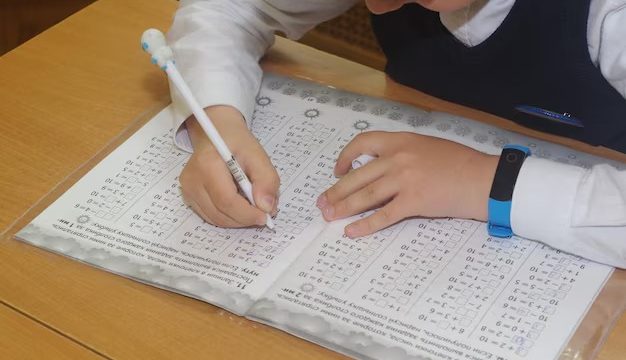
In our fast-paced world, the art of taking clear and useful notes has become a vital skill.
Whether you’re a student, a professional, or simply someone who wants to retain more information from daily conversations, effective note-taking can enhance your understanding and memory retention.
It’s not just about writing down what you hear; it’s about engaging with the material in a way that makes it meaningful and accessible for you later.
A gentle approach to note-taking can transform your experience. Let’s explore how you can cultivate this skill in a way that feels natural and enriching.
Creating a nurturing environment
Before diving into the mechanics of note-taking, consider the environment in which you’re working. A calm and organized space can help foster focus and creativity. Find a spot that feels comfortable and free from distractions. This could be a cozy corner of your home, a quiet café, or a peaceful park. Wherever you choose, ensure it’s a place where you feel at ease and can think clearly.
Once you have your space, gather your materials. Whether you prefer a classic notebook and pen or a digital device, choose tools that resonate with you. The tactile experience of writing in a notebook can be grounding for some, while others might find typing more efficient. Trust your instincts and go with what feels right.
Engaging with the material
As you prepare to take notes, it’s important to approach the material with an open and curious mindset. Whether you’re in a lecture, a meeting, or simply reading a book, take a moment to breathe and center yourself. This simple act can help you absorb information more effectively.
When you begin to take notes, focus on understanding the concepts rather than transcribing every word. Listen or read actively, identifying key points, themes, and insights that resonate with you. This not only makes your notes more meaningful but also helps you internalize the information.
A small shift toward balance
One helpful technique is to balance between summarizing and paraphrasing. Summarizing involves condensing information into your own words, capturing the essence of what was said. Paraphrasing, on the other hand, allows you to rephrase specific ideas while retaining their original meaning. Experiment with both methods to find what works best for you.
Additionally, consider incorporating your own thoughts and reflections into your notes. This personal touch not only makes your notes more engaging but also encourages deeper thinking. Instead of just writing down facts, ask yourself questions about the material. How does it relate to your experiences? What insights can you draw from it? This practice can lead to a richer understanding of the subject matter.
The power of organization
Once you’ve gathered your notes, think about how you want to organize them. A clear structure can enhance the usefulness of your notes when you revisit them later. Consider using headings, bullet points, or even diagrams to categorize information. However, keep it simple and intuitive. The goal is to create a system that makes sense to you, allowing you to quickly locate information when needed.
If you’re using a digital format, explore tools and apps that can help streamline your note-taking process. Many applications offer features like tagging, search functions, and the ability to sync across devices, making it easier to stay organized.
Cultivating a consistent practice
Like any skill, effective note-taking improves with practice. Set aside time each week to review your notes and refine your approach. This could involve revisiting old notes, summarizing key takeaways, or even sharing your insights with others. Engaging with your notes regularly helps reinforce the information and keeps it fresh in your mind.
As you develop your note-taking routine, be patient with yourself. It’s a journey, and everyone has their own pace. Celebrate your progress, no matter how small, and remain open to experimenting with different techniques.
Finding joy in the process
Finally, embrace the joy of the process. Note-taking isn’t merely a task; it’s an opportunity for personal growth and discovery. Allow yourself to enjoy the moments of insight and clarity that arise as you engage with new information.
Consider setting intentions for your note-taking sessions. What do you hope to achieve? How can you make this experience enjoyable? By infusing your practice with purpose, you’ll find that it becomes a fulfilling part of your routine, rather than just another chore.
In conclusion, learning to take clear and useful notes is a valuable skill that can enrich your life in many ways. By creating a supportive environment, engaging actively with the material, and cultivating a consistent practice, you can transform your approach to note-taking. Remember to enjoy the journey, and allow your notes to become a reflection of your unique perspective and insights. As you explore this art, you’ll find that the process not only enhances your understanding but also brings a sense of clarity and connection to the world around you.