Creating learning goals can often feel like a daunting task, but it doesn’t have to be.
With a little bit of intention and a sprinkle of creativity, you can set goals that inspire and guide your personal growth.
Whether you’re a student, a professional, or simply someone looking to expand your horizons, establishing clear, meaningful learning goals can pave the way to a fulfilling journey of discovery.
Understanding the importance of setting learning goals is the first step in this process. Goals help provide direction and motivation. They act as signposts along your path, reminding you of where you want to go and why it matters. When you take the time to articulate what you wish to achieve, you create a vision that can transform your aspirations into tangible results.
A gentle approach to self-discovery can work wonders. Begin by reflecting on your interests and passions. What subjects truly captivate your attention? What skills do you feel drawn to cultivate? This introspection can be a rewarding exercise in itself. Perhaps you’ve always wanted to learn a new language, explore the world of coding, or develop your artistic talents. Allow your thoughts to flow freely, and take note of what resonates with you. This is not about perfection; it’s about finding joy in the journey.
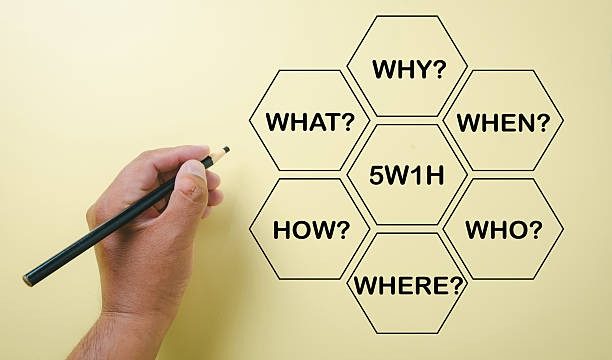
Once you have a clearer sense of your interests, consider the “why” behind your goals. Understanding your motivation can add depth and meaning to your aspirations. Are you seeking personal enrichment, career advancement, or simply the thrill of learning something new? When you connect your goals to a deeper purpose, it becomes easier to stay committed, even when challenges arise.
As you transition from inspiration to action, think about the framework of your goals. Instead of setting vague intentions like “I want to learn more,” try to be specific. What exactly do you want to achieve? Rather than simply stating, “I want to read more books,” consider specifying a number or a theme. For instance, “I want to read one book on personal development each month.” This clarity can help you devise a plan that feels manageable and rewarding.
Creating a timeline can also be beneficial. While it’s essential to remain flexible and kind to yourself, having a general sense of when you want to achieve certain milestones can keep you on track. Consider breaking your goals into smaller, more digestible steps. This not only makes the process less overwhelming, but it also allows you to celebrate small victories along the way. Each step forward is a reason to acknowledge your progress, no matter how minor it may seem.
A small shift toward balance can enhance your learning experience. It’s easy to become overly focused on achieving your goals, but remember to embrace the process itself. Allow for moments of exploration and curiosity that may lead you down unexpected paths. Sometimes, the most valuable lessons come from the detours we take. Be open to discovering new interests or adjusting your goals as you learn more about yourself.
Another essential aspect of goal-setting is accountability. Sharing your aspirations with a friend, family member, or mentor can create a supportive network that encourages you to stay committed. They can offer insights, resources, or simply a listening ear when you encounter obstacles. Sometimes, just knowing that someone else is cheering you on can be the motivation you need to keep pushing forward.
While it’s important to strive for growth, it’s equally vital to practice self-compassion. Learning is a journey filled with ups and downs. There may be times when you feel stuck or discouraged, and that’s perfectly normal. Instead of being critical of yourself, take a moment to pause and reflect. What have you learned from these experiences? How can they inform your next steps? Embracing setbacks as part of the process can help you cultivate resilience and a healthier mindset.
As you embark on your learning journey, consider incorporating a variety of resources into your plan. Books, online courses, podcasts, and workshops can all offer unique perspectives and insights. Mixing different formats can keep things fresh and engaging. You might find that listening to a podcast while taking a walk inspires new ideas or that a hands-on workshop sparks your creativity in ways you hadn’t anticipated.
In addition to seeking knowledge, remember the importance of rest and reflection. Our minds need time to digest new information and experiences. Set aside moments for quiet contemplation, journaling, or simply enjoying a peaceful cup of tea. These practices can provide clarity and help you integrate what you’ve learned into your life. They also create space for new ideas to emerge.
As you nurture your learning goals, don’t forget to celebrate your progress. Each step you take, no matter how small, is a testament to your commitment to growth. Whether it’s treating yourself to a special outing after finishing a challenging book or sharing your achievements with loved ones, acknowledging your successes can reinforce your motivation and joy in the learning process.
Lastly, keep in mind that learning is a lifelong journey. Your goals may evolve as you do, and that’s a beautiful aspect of personal growth. Embrace the fluidity of your aspirations and allow yourself the freedom to explore new interests and passions as they arise. Each phase of your journey offers valuable lessons and opportunities for self-discovery.
In conclusion, creating learning goals is a deeply personal and rewarding endeavor. By reflecting on your interests, understanding your motivations, and approaching the process with kindness and curiosity, you can cultivate a fulfilling path of growth. Remember to celebrate your progress, embrace the journey, and allow yourself the grace to evolve. With each step, you are not just achieving goals; you are enriching your life and expanding your horizons in ways that are uniquely yours.