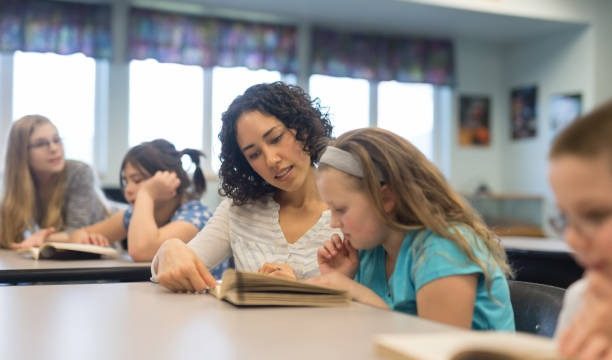
In today’s ever-evolving educational landscape, the emphasis on student reflection has become increasingly important.
Reflection is not merely a buzzword; it represents a vital part of the learning process.
It enables students to connect their experiences with their personal growth, enhancing their understanding and retention of knowledge. As educators, we can cultivate an environment that encourages this introspection, leading to profound outcomes for our students.
The journey of learning often resembles a winding path, filled with unexpected turns and delightful discoveries. When students engage in reflective practices, they become more aware of their learning processes, strengths, and areas for improvement. This awareness fosters a sense of ownership over their education, empowering them to take charge of their learning journey. So how can we, as educators, implement teaching outcomes that promote this vital reflection?
Creating a safe space for expression is essential. Students thrive when they feel secure and supported in their learning environment. By fostering an atmosphere of trust and openness, educators can encourage students to share their thoughts and feelings without fear of judgment. This support can come in many forms, such as regular check-ins, open discussions, or anonymous feedback opportunities. When students know that their voices matter, they are more likely to engage in thoughtful reflection.
Another key aspect of enhancing student reflection is integrating reflective practices into the curriculum. This can be achieved through various activities that prompt students to think critically about their experiences. Journaling, for instance, is a powerful tool that encourages students to articulate their thoughts, feelings, and insights. By setting aside time for reflective writing, educators can help students process their learning and gain clarity on their understanding.
Additionally, incorporating group discussions can further enhance this reflective process. When students share their perspectives with peers, they not only articulate their thoughts but also listen to different viewpoints. This exchange of ideas can illuminate new understandings and foster deeper connections among students. It also encourages them to consider how their learning intersects with that of their classmates, enriching their overall educational experience.
A gentle nudge toward self-assessment can also be transformative. Encouraging students to evaluate their own work and progress can foster a sense of accountability and self-awareness. Educators can guide students in developing criteria for assessing their performance, which can lead to more meaningful reflections on their achievements and challenges. This practice not only nurtures critical thinking skills but also helps students recognize their growth over time.
Incorporating real-world connections into the learning process can also enhance reflection. When students see how their education applies to their lives outside the classroom, they are more likely to engage deeply with the material. Projects that involve community service, internships, or collaborative partnerships can provide students with opportunities to reflect on their learning in a broader context. These experiences can ignite a passion for learning that transcends the classroom walls, inspiring students to make connections between their education and their aspirations.
A small shift toward balance can make a world of difference in how students approach their learning. It’s essential to encourage a mindset that values both achievement and personal growth. While grades and assessments are important, they should not overshadow the significance of the learning journey itself. By emphasizing the process over the product, educators can inspire students to reflect on their experiences, challenges, and triumphs in a more meaningful way.
Feedback is another crucial element in the reflection process. Constructive criticism can guide students in understanding their strengths and areas for improvement. However, it’s important for feedback to be delivered in a manner that encourages growth rather than discouragement. Educators can frame feedback as an opportunity for learning, highlighting what students did well while gently pointing out areas for development. This approach can create a culture of continuous improvement, where reflection becomes a natural part of the learning experience.
Moreover, technology can serve as a valuable tool for fostering reflection. Digital platforms can provide students with creative outlets to express their thoughts and insights. Blogs, podcasts, and video reflections are just a few examples of how technology can facilitate deeper engagement. These mediums allow students to explore their creativity while sharing their reflections with a broader audience, further enriching their learning experience.
Ultimately, the goal of enhancing student reflection is to nurture lifelong learners. When students develop the ability to reflect on their experiences, they cultivate essential skills that will serve them well beyond the classroom. They become more adaptable, resilient, and open-minded individuals who are prepared to navigate the complexities of the world around them.
As we guide our students on this journey, it’s essential to remember that reflection is a skill that takes time to develop. Patience and encouragement are key as students learn to articulate their thoughts and feelings. By creating a supportive environment that values reflection, we can help our students unlock their potential and embark on a lifelong path of growth and exploration.
In conclusion, teaching outcomes that enhance student reflection are not just about improving academic performance; they are about nurturing well-rounded individuals. By fostering a safe space for expression, integrating reflective practices into the curriculum, and encouraging self-assessment, we can create an educational experience that resonates deeply with our students. As they learn to reflect on their journeys, they will emerge as confident, engaged learners ready to take on the world. Embracing this approach not only enriches their education but also cultivates a community of thoughtful, reflective individuals who can contribute positively to society.