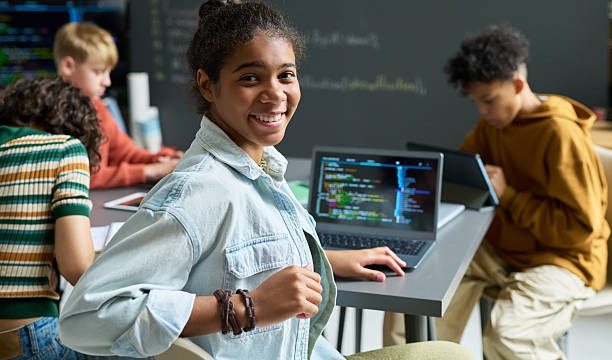
In today’s educational landscape, the importance of fostering respectful collaboration among students has never been more essential.
As teachers, we wear many hats—educators, mentors, and sometimes even mediators.
The competencies we develop play a crucial role in shaping not only our students’ academic journeys but also their social interactions. It is through these competencies that we can create a nurturing environment where respect and collaboration thrive.
A gentle approach to communication can set the tone for a collaborative classroom. When teachers model open and honest conversations, they encourage students to express their thoughts and feelings in a safe space. This means actively listening to students, validating their experiences, and responding with empathy. By doing so, teachers demonstrate that every voice matters, which naturally encourages students to engage with one another respectfully. This practice of open dialogue helps break down barriers and fosters a sense of community among students.
Creating an atmosphere of trust is another vital competency for teachers. Trust is the foundation of any collaborative effort and can significantly impact how students interact with one another. When students feel secure in their environment, they are more likely to share ideas, take risks, and support one another. Teachers can cultivate trust by being consistent in their actions, following through on promises, and maintaining a fair and equitable classroom environment. When students see their teacher as a reliable figure, they are more inclined to collaborate and respect their peers.
Encouraging a growth mindset among students can also enhance collaborative efforts. When teachers promote the idea that abilities can develop through effort and perseverance, they help students view challenges as opportunities for learning rather than obstacles. This shift in perspective nurtures resilience and fosters a supportive classroom culture where students celebrate each other’s successes and learn from failures together. By emphasizing growth, teachers can guide students to appreciate diverse strengths within their groups, leading to richer collaborative experiences.
Modeling respectful behavior is key to promoting collaboration. Teachers who demonstrate kindness, patience, and understanding create a template for students to follow. Simple acts, like saying “thank you” or acknowledging a student’s contribution, can go a long way in teaching respect. Furthermore, when teachers address conflicts calmly and constructively, they provide students with valuable conflict-resolution skills. This modeling not only helps students navigate their relationships but also reinforces the importance of treating one another with dignity.
Incorporating diverse perspectives into the curriculum is another way teachers can encourage respectful collaboration. By introducing students to a variety of viewpoints and cultures, teachers broaden their understanding of the world and foster an appreciation for differences. When students engage with diverse materials, they learn to approach discussions with an open mind, which promotes empathy and respect. Additionally, collaborative projects that require students to work with peers from different backgrounds can enhance their ability to collaborate effectively and respectfully.
Fostering a sense of belonging is crucial for collaborative success. When students feel they are part of a community, they are more likely to contribute positively and engage with their peers. Teachers can create this sense of belonging by celebrating individual and group achievements, encouraging teamwork, and providing opportunities for students to share their unique stories. This environment of inclusivity helps students feel valued and respected, which in turn fosters collaboration and teamwork.
Encouraging self-reflection is another competency that can enhance respectful collaboration. When teachers prompt students to reflect on their actions and interactions, they cultivate self-awareness and accountability. This practice helps students understand how their behavior affects others and encourages them to take responsibility for their contributions to group dynamics. Self-reflection allows students to recognize their strengths and areas for growth, leading to more meaningful collaborations.
Creating engaging and purposeful group activities can also reinforce the importance of collaboration. When students work together toward a common goal, they learn the value of cooperation and mutual respect. Teachers can design projects that require students to rely on each other’s strengths, fostering a sense of interdependence. This not only enhances the collaborative experience but also helps students develop essential social skills that will benefit them beyond the classroom.
As we navigate the complexities of teaching, it is essential to remember that our competencies as educators can profoundly influence how students interact with one another. By embodying the principles of effective communication, trust-building, and respect, we can create a classroom culture that prioritizes collaboration. When students feel safe, valued, and understood, they are more likely to engage with one another in meaningful ways.
Ultimately, the goal of education extends beyond academic achievement. It encompasses the development of respectful, collaborative individuals who can thrive in diverse environments. By focusing on these competencies, teachers not only enhance their students’ learning experiences but also contribute to a more harmonious and understanding society.
In this journey, patience and persistence are key. The shifts we make in our teaching practices may take time to manifest in our students’ behaviors, but the impact can be profound. As we cultivate respectful collaboration in our classrooms, we are not just shaping students; we are nurturing future leaders, thinkers, and compassionate individuals who will carry these values into the world. By embracing these competencies, we can create a ripple effect of respect and collaboration that extends far beyond the classroom walls.