Teaching Outcomes That Elevate Student Achievement
In the ever-evolving landscape of education, the focus on student achievement is more critical than ever.
Educators and administrators alike are continually searching for effective ways to enhance learning and foster an environment where students can thrive.
While there is no one-size-fits-all approach, certain teaching outcomes have consistently demonstrated their ability to elevate student achievement. By embracing these outcomes, educators can create a nurturing atmosphere that not only supports academic success but also promotes personal growth.
The power of connection
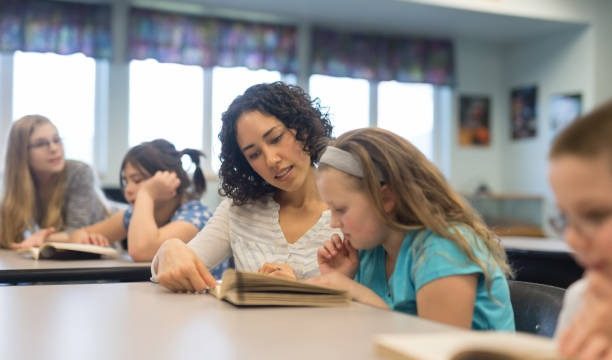
At the heart of effective teaching lies the ability to connect with students on a personal level. Establishing meaningful relationships creates a foundation of trust and respect, which can significantly impact students’ willingness to engage in their learning. When students feel valued and understood, they are more likely to participate actively in classroom discussions, seek help when needed, and take ownership of their education.
Building connections can take many forms, from simple gestures like greeting students at the door to more involved strategies like one-on-one check-ins. By taking the time to understand each student’s unique background, interests, and challenges, educators can tailor their approach to meet individual needs. This personalized attention fosters a sense of belonging and encourages students to push themselves academically.
Creating a culture of collaboration
Another essential outcome in enhancing student achievement is fostering a culture of collaboration. When students work together, they not only learn from one another but also develop important social skills that will serve them well beyond the classroom. Group projects, peer reviews, and collaborative problem-solving activities can create an engaging learning environment where students feel empowered to share their ideas and perspectives.
Encouraging collaboration can also help to break down barriers and promote inclusivity. When students from diverse backgrounds come together, they can learn to appreciate different viewpoints and develop empathy for one another. This sense of community can enhance overall classroom dynamics, leading to improved academic performance and a more positive school experience.
Emphasizing growth mindset
A growth mindset is the belief that abilities and intelligence can be developed through dedication and hard work. When educators instill this mindset in their students, they encourage resilience and a love of learning. Students with a growth mindset are more likely to embrace challenges, persist in the face of setbacks, and view failure as an opportunity for growth.
Teachers can promote a growth mindset by praising effort rather than innate talent. Celebrating small victories and encouraging students to take risks can help them develop a positive attitude toward learning. By creating an environment where mistakes are seen as a natural part of the learning process, educators can empower students to take charge of their academic journeys.
Integrating real-world applications
Connecting classroom learning to real-world applications can significantly enhance student engagement and achievement. When students understand how their studies relate to their lives outside of school, they are more likely to see the value in their education. This relevance can inspire students to invest in their learning and strive for excellence.
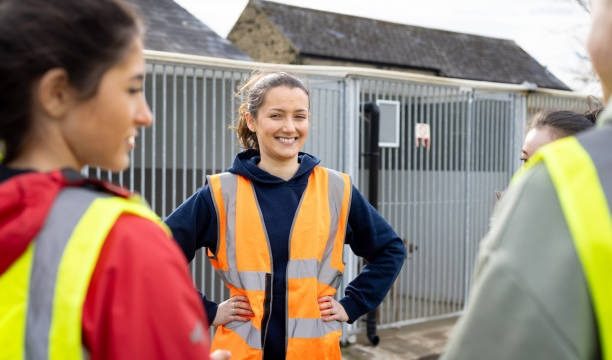
Educators can facilitate this connection by incorporating project-based learning, internships, or community service into their curriculum. By encouraging students to apply their knowledge to real-life situations, teachers can help them develop critical thinking skills and foster a sense of responsibility. This approach not only enhances academic performance but also prepares students for future success in their careers and personal lives.
Encouraging self-regulation
Self-regulation is a crucial skill that allows students to manage their emotions, behaviors, and academic tasks effectively. Teaching students how to set goals, monitor their progress, and reflect on their learning can have a profound impact on their overall achievement. When students learn to take responsibility for their own learning, they become more motivated and engaged.
Educators can support the development of self-regulation by providing tools and strategies that help students plan, organize, and prioritize their work. Regularly incorporating reflection activities—such as journaling or group discussions—can encourage students to assess their progress and identify areas for improvement. This practice not only enhances academic performance but also fosters a sense of autonomy and confidence in their abilities.
Fostering a positive classroom environment
A positive classroom environment is fundamental to student achievement. When students feel safe, respected, and supported, they are more likely to take risks and engage in their learning. Creating such an environment requires intentional effort from educators, who must establish clear expectations and cultivate a culture of kindness and respect.
Teachers can promote a positive atmosphere by modeling appropriate behavior and encouraging students to support one another. Celebrating diversity and fostering inclusivity can create a sense of belonging that enhances overall classroom dynamics. By prioritizing emotional well-being alongside academic achievement, educators can help students thrive both inside and outside the classroom.
The role of continuous professional development
Lastly, continuous professional development for educators is vital in promoting teaching outcomes that elevate student achievement. As the educational landscape changes, teachers must stay informed about new strategies, technologies, and research that can enhance their practice. Engaging in ongoing learning not only benefits educators but also translates to improved outcomes for students.
Professional development opportunities can take many forms, from workshops and conferences to peer collaboration and online courses. By investing in their growth, educators can refine their skills and adapt their teaching methods to better meet the needs of their students. This commitment to lifelong learning ultimately contributes to a more effective and responsive educational environment.
In conclusion, the journey to elevate student achievement is multifaceted and requires a holistic approach. By focusing on connection, collaboration, growth mindset, real-world applications, self-regulation, a positive classroom environment, and continuous professional development, educators can create a nurturing atmosphere where students can flourish. As we continue to explore innovative ways to enhance learning, let us remember that the heart of education lies in the relationships we build and the lives we touch.