In the ever-evolving world of education, teaching outcomes are more than just a measure of student performance; they represent a pathway to enhancing instructional impact.
As educators, our ultimate goal is to inspire and guide students toward personal and academic growth.
However, the journey of teaching is not just about delivering content; it’s about fostering an environment where students can thrive. By focusing on teaching outcomes that resonate with both educators and learners, we can create a more meaningful educational experience.
A gentle shift toward connection
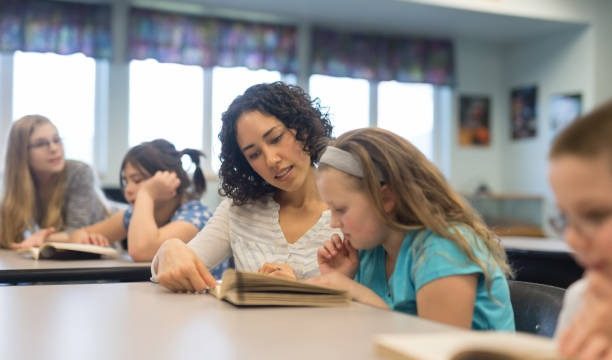
At the core of effective teaching outcomes lies the relationship between educators and their students. Building a strong connection can significantly enhance instructional impact. When students feel seen and valued, they are more likely to engage with the material and participate actively in their learning process. This connection can be nurtured through simple acts of kindness, such as taking the time to understand students’ interests, backgrounds, and learning styles.
Creating an inclusive atmosphere where every student feels comfortable sharing their thoughts and questions can foster a sense of belonging. As educators, we can encourage open dialogue and invite students to express their ideas freely. This not only empowers students but also enriches the classroom experience for everyone involved.
Emphasizing the joy of learning
Another vital aspect of teaching outcomes is the promotion of a love for learning. When students are excited about their education, they are more likely to absorb information and develop critical thinking skills. To cultivate this enthusiasm, educators can incorporate creative teaching methods that spark curiosity. This could involve hands-on activities, collaborative projects, or integrating technology in a way that enhances learning.
By making lessons engaging and relevant to students’ lives, we can help them see the value in what they are learning. Encouraging exploration and inquiry allows students to take ownership of their education, transforming the classroom into a space where discovery thrives.
Fostering resilience and adaptability
In today’s fast-paced world, resilience and adaptability are essential skills for success. Teaching outcomes that focus on these traits can significantly improve instructional impact. By creating a supportive environment that embraces challenges and celebrates effort, educators can help students develop a growth mindset. This mindset encourages students to view setbacks as opportunities for learning rather than obstacles.
Incorporating activities that promote problem-solving and critical thinking can also help students learn how to adapt to new situations. When they encounter difficulties, guiding them to reflect on what they can learn from the experience fosters resilience. This not only prepares students for academic challenges but also equips them with skills they will carry into their future endeavors.
Encouraging collaboration and communication
The ability to collaborate and communicate effectively is paramount in both academic and professional settings. Teaching outcomes that prioritize these skills can have a profound impact on instructional effectiveness. Group activities and discussions encourage students to work together, share diverse perspectives, and develop their communication abilities.
Incorporating collaborative projects into the curriculum allows students to learn from one another, fostering a sense of community within the classroom. As they engage in discussions and debates, they also learn how to articulate their thoughts and respect differing opinions. This collaborative spirit not only enhances the learning experience but also prepares students to navigate the complexities of the world beyond school.
Reflecting on practice for continuous improvement
Reflection is a powerful tool for growth in any profession, and education is no exception. Teaching outcomes that encourage self-reflection can lead to improved instructional impact over time. By regularly assessing their practices, educators can identify what works well and where adjustments may be needed. This iterative process allows for continuous improvement, benefiting both teachers and students.
Creating opportunities for peer feedback and mentorship can also enhance reflection. Engaging in conversations with fellow educators can provide fresh perspectives and insights. This collaborative approach fosters a culture of learning among educators, ultimately benefiting students as well.
Integrating real-world relevance
One of the most effective ways to enhance teaching outcomes is by connecting lessons to the real world. When students see the relevance of what they are learning, their motivation increases. This can be achieved by incorporating current events, practical applications, or community projects into the curriculum. By bridging the gap between classroom learning and real-life experiences, educators can help students understand the significance of their education.
Field trips, guest speakers, and service-learning projects are excellent ways to bring real-world relevance into the classroom. These experiences not only enrich students’ understanding but also inspire them to think critically about their role in society.
Creating a supportive feedback loop
Feedback is an essential component of the learning process. Teaching outcomes that emphasize constructive feedback can significantly enhance instructional impact. By providing timely, specific, and actionable feedback, educators can help students understand their strengths and areas for improvement. This supportive feedback loop encourages students to take risks in their learning and strive for excellence.
Additionally, creating opportunities for students to give feedback on their learning experiences can empower them to take an active role in their education. This two-way communication fosters a sense of ownership and accountability, ultimately leading to a more engaged and motivated classroom community.
In conclusion, teaching outcomes that improve instructional impact encompass a range of strategies that prioritize connection, engagement, resilience, collaboration, reflection, relevance, and feedback. By embracing these principles, educators can create an environment where students not only succeed academically but also develop into well-rounded individuals. As we navigate the journey of education, let us remember that the ultimate goal is to inspire and empower the next generation, paving the way for a brighter future.