Teaching Outcomes for Meaningful Classroom Interaction
In the dynamic world of education, creating a classroom environment that fosters meaningful interactions is essential for student growth and development.
Teachers play a pivotal role in shaping these interactions, guiding students not only in their academic pursuits but also in their social and emotional learning.
As we explore the various teaching outcomes that contribute to meaningful classroom interactions, we’ll delve into the ways in which educators can cultivate a nurturing space where everyone feels valued and connected.
A gentle shift towards connection
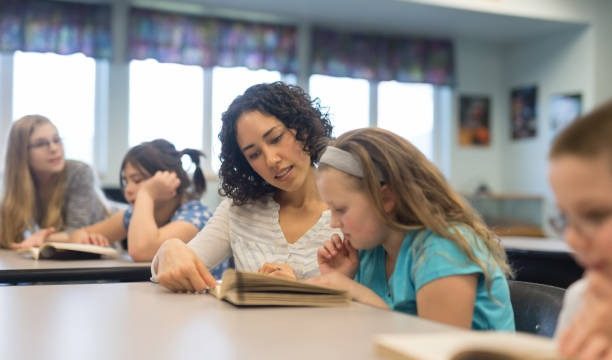
At the heart of meaningful classroom interaction is the idea of connection. When students feel connected to their peers and their teachers, they are more likely to engage actively in discussions, share their thoughts, and collaborate on projects. This connection can be nurtured through simple practices that encourage open communication and mutual respect. For instance, beginning each class with a brief check-in allows students to express how they’re feeling and share any experiences that might be on their minds. This practice not only establishes a sense of community but also helps students feel seen and heard.
Another way to promote connection is through collaborative learning experiences. Group projects, peer teaching, and discussion circles encourage students to work together, share ideas, and learn from one another. In these settings, the teacher acts as a facilitator, guiding students as they navigate their shared learning journey. By fostering an environment where students can contribute their unique perspectives, educators can enrich the classroom experience and deepen the bonds among students.
Encouraging active participation
Active participation is a cornerstone of meaningful classroom interaction. When students are encouraged to engage actively, they take ownership of their learning, which can lead to greater retention of information and a more profound understanding of the material. Teachers can promote active participation by incorporating varied instructional strategies that cater to different learning styles. For example, using hands-on activities, interactive discussions, and multimedia resources can capture students’ attention and stimulate their interest.
Creating opportunities for students to ask questions is also vital. A classroom that welcomes curiosity encourages students to explore topics more deeply and seek clarification when needed. This inquiry-based approach not only enhances understanding but also empowers students to take an active role in their education. When students feel comfortable asking questions, they develop critical thinking skills that will serve them well beyond the classroom.
Fostering a culture of respect and empathy
Respect and empathy are foundational elements of any meaningful interaction. Teachers can cultivate a culture of respect by modeling positive behavior and setting clear expectations for how students should treat one another. Encouraging kindness and understanding in discussions creates a safe space where students feel comfortable sharing their thoughts, even if they differ from those of their peers. This respectful environment allows for a richer exchange of ideas and perspectives.
Incorporating social-emotional learning (SEL) into the curriculum is another effective way to foster empathy among students. SEL initiatives teach students to recognize their own emotions and the emotions of others, helping them to navigate social interactions more effectively. Activities that promote teamwork, conflict resolution, and perspective-taking can deepen students’ understanding of one another, leading to more meaningful relationships within the classroom.
The art of constructive feedback
Feedback is a powerful tool in the educational process. When delivered thoughtfully, it can inspire students to improve and grow. However, the way feedback is given can significantly impact the classroom dynamic. By approaching feedback as a collaborative effort rather than a judgment, teachers can encourage students to view it as a valuable part of their learning journey.
Creating opportunities for peer feedback can also enhance interactions. Students can learn to give and receive constructive criticism, which fosters a culture of support and growth. This practice not only enhances their understanding of the subject matter but also builds their communication skills. When students learn to articulate their thoughts on their peers’ work, they develop a deeper appreciation for diverse perspectives.
Celebrating diversity and inclusion
A meaningful classroom interaction thrives in an environment that celebrates diversity. Each student brings unique experiences, backgrounds, and viewpoints, enriching the learning experience for everyone. Teachers can create inclusive spaces by incorporating diverse materials and perspectives into the curriculum, ensuring that all students see themselves reflected in what they learn.
Encouraging discussions about different cultures, traditions, and viewpoints can broaden students’ horizons and promote understanding. When students learn to appreciate diversity, they develop a sense of global citizenship that extends beyond the classroom walls. This understanding fosters not only meaningful interactions but also prepares students for a world that values inclusivity and respect.
A continuous journey of reflection
For educators, fostering meaningful classroom interactions is not a one-time effort but a continuous journey of reflection and growth. Taking the time to assess what works and what doesn’t can lead to valuable insights that enhance teaching practices. Engaging in professional development opportunities, collaborating with colleagues, and seeking feedback from students can provide fresh perspectives that inform future interactions.
Reflection can also be a powerful tool for students. Encouraging them to think about their own learning experiences and interactions can promote self-awareness and personal growth. Journaling, class discussions, and self-assessments can help students recognize their strengths and areas for improvement, fostering a sense of agency in their educational journey.
In conclusion, meaningful classroom interactions are built on a foundation of connection, active participation, respect, empathy, constructive feedback, diversity, and reflection. By embracing these principles, educators can create a nurturing environment where students thrive academically, socially, and emotionally. As we continue to explore the art of teaching, let us remember that each interaction holds the potential to shape a student’s experience and contribute to their lifelong love of learning. In the end, it’s these meaningful moments that resonate most, leaving a lasting impact on both students and teachers alike.