Teaching Outcomes That Support Personalized Learning
In today’s ever-evolving educational landscape, the concept of personalized learning is becoming increasingly important.
It recognizes that each student is unique, with individual strengths, weaknesses, interests, and learning preferences.
As educators, the goal is to create an environment that not only acknowledges these differences but also nurtures them. This approach leads to more meaningful learning experiences and outcomes.
Personalized learning is not merely about tailoring content; it encompasses a holistic view of education that includes teaching strategies, assessment methods, and ultimately, the desired outcomes. By focusing on teaching outcomes that support personalized learning, educators can foster a deeper engagement and connection with their students.
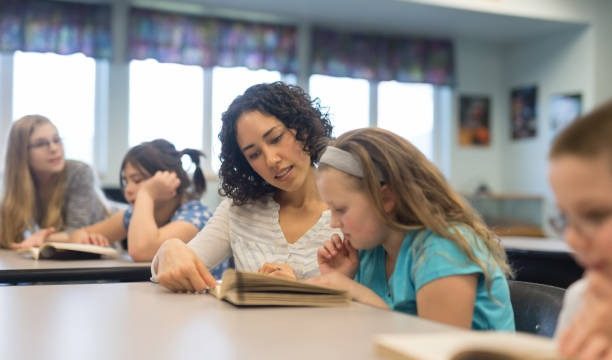
Understanding individual learning styles is a vital step toward achieving personalized outcomes. Each student comes to the classroom with a distinct set of experiences and knowledge. Some may thrive in collaborative settings, while others excel in independent tasks. By recognizing these differences, educators can adapt their teaching methods to create a more inclusive learning environment. This could mean offering varied instructional approaches, such as project-based learning, hands-on activities, or even digital resources that cater to different learning preferences.
Creating a nurturing atmosphere is equally essential. Students need to feel safe, respected, and valued in order to engage fully in their learning. When they know their voices are heard, they are more likely to take risks and explore new ideas. This sense of belonging encourages them to invest in their educational journey. Teachers can foster this environment by promoting open communication, encouraging peer interactions, and celebrating individual achievements, no matter how small.
A small shift toward balance can also be beneficial. While it’s important to cater to individual learning styles, it’s equally crucial to maintain a cohesive classroom community. Striking this balance can be achieved through differentiated instruction. By providing students with options for how they demonstrate their understanding, teachers can honor individual preferences while ensuring everyone is working towards common goals. This could involve allowing students to choose between written assignments, presentations, or creative projects as a means of assessment.
Incorporating technology into personalized learning can further enhance teaching outcomes. Digital tools can provide students with access to a wealth of resources and learning opportunities tailored to their needs. Learning management systems, educational apps, and interactive platforms can facilitate a more personalized experience. These tools not only allow for self-paced learning but also enable educators to track progress and adapt instruction accordingly. The integration of technology can empower students to take ownership of their learning, promoting independence and self-motivation.
Feedback plays a crucial role in the personalized learning journey. Constructive feedback helps students understand their progress and areas for improvement. When feedback is specific and actionable, it can guide students toward achieving their learning goals. Regular check-ins and one-on-one discussions can foster a growth mindset, encouraging students to view challenges as opportunities for growth rather than obstacles. This supportive approach can transform the learning experience, making it more dynamic and responsive to individual needs.
As we delve deeper into personalized learning, it’s important to consider the role of collaboration. Building partnerships between educators, students, and even families can create a more rounded approach to learning. When families are involved in the educational process, they can provide valuable insights into their child’s strengths and preferences. This collaboration can lead to more tailored support both at school and at home, reinforcing the learning that takes place in the classroom.
An emphasis on social-emotional learning is another integral aspect of personalized education. Understanding a student’s emotional landscape can significantly impact their academic success. By fostering emotional intelligence, educators equip students with the skills to navigate their feelings, build resilience, and develop healthy relationships. This focus on the whole child not only enhances academic performance but also prepares students for success beyond the classroom.
Engaging in reflective practices is a powerful way for educators to enhance personalized learning outcomes. By regularly evaluating their teaching methods and student responses, teachers can identify what works and what doesn’t. This continuous cycle of reflection and adjustment allows for a more responsive teaching approach, ensuring that all students are supported in their learning journeys.
As we embrace the principles of personalized learning, it’s essential to remember that the ultimate goal is to cultivate a love for learning. When students are excited about their education, they are more likely to engage deeply and take ownership of their academic paths. By focusing on teaching outcomes that support personalized learning, educators can inspire students to become lifelong learners, equipped with the skills and knowledge necessary to thrive in an ever-changing world.
In conclusion, personalized learning is a journey that requires commitment, creativity, and compassion from educators. By understanding individual learning styles, fostering a nurturing atmosphere, integrating technology, encouraging feedback, promoting collaboration, emphasizing social-emotional learning, and engaging in reflective practices, teachers can create a rich tapestry of learning experiences. This holistic approach not only supports academic achievement but also nurtures the personal growth of each student, paving the way for a brighter future. As we look ahead, let’s continue to champion personalized learning and celebrate the unique journeys of every learner.