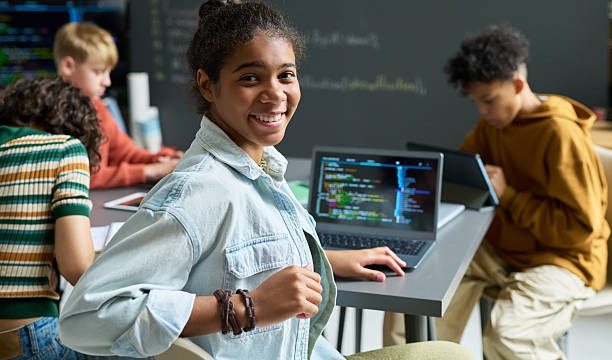
In the world of education, the simple act of observation can be a powerful tool in enhancing student learning.
It’s a practice that invites teachers, parents, and even students themselves to step back and take in the full picture.
By observing behaviors, interactions, and responses in a learning environment, we can unlock insights that lead to more effective teaching strategies and enriched learning experiences.
A gentle shift in perspective
When we think of observation in the classroom, we often picture a teacher with a clipboard, diligently recording notes on student performance. While this can certainly be part of it, observation is much more than mere data collection. It’s about being present and attuned to the nuances of the learning experience. It encourages us to immerse ourselves in the dynamics of the classroom, noticing not just what students do, but how they feel and interact with their peers and the material.
Imagine a teacher who takes a moment to watch how her students engage with a new concept. Instead of immediately jumping into instruction, she observes their initial reactions, their body language, and even their conversations with one another. This kind of attentive presence allows her to gauge their understanding and adapt her teaching approach accordingly. It’s a small shift that can make a significant difference, creating a more responsive and nurturing learning environment.
The beauty of active listening
Observation goes hand in hand with active listening. When we truly listen to our students, we gain invaluable insights into their thoughts and feelings. This is especially important in an educational setting, where students may feel hesitant to express their uncertainties or struggles. By fostering an atmosphere of openness, where students know their voices are heard and valued, we encourage them to share their ideas and questions more freely.
Consider a classroom discussion about a challenging topic. A teacher who pays close attention to not only what is being said but also to how students are reacting can identify those who may need additional support. Perhaps a student’s furrowed brow indicates confusion, or another’s excited gestures show a deep understanding. Such observations enable the teacher to provide tailored feedback or interventions, ensuring that every student feels supported in their learning journey.
Creating a culture of curiosity
Observation can also help cultivate a culture of curiosity among students. When they see their teachers actively engaging with the material, asking questions, and exploring ideas, it inspires them to do the same. This dynamic fosters an environment where inquiry is encouraged, and students feel empowered to pursue their interests and curiosities.
In this sense, observation becomes a model for lifelong learning. By demonstrating that learning is an ongoing process, teachers can instill in their students the understanding that it’s okay to ask questions, make mistakes, and seek help. This mindset not only benefits academic performance but also equips students with essential life skills. They learn to approach challenges with an inquisitive spirit, ready to explore and discover.
Fostering peer-to-peer connections
Another aspect of observation that is often overlooked is its role in enhancing peer-to-peer connections. When students are encouraged to observe and reflect on their classmates’ work, they develop a deeper understanding of the subject matter. This practice fosters collaboration, as students learn to appreciate diverse perspectives and approaches to problem-solving.
For instance, in a group project setting, students can take turns observing each other’s contributions. By discussing what they see, they can offer constructive feedback and support one another in their learning. This not only strengthens their understanding of the material but also builds a sense of community within the classroom. As they learn to value each other’s insights, they develop important social skills that will serve them well beyond the classroom walls.
The role of reflection
Observation is not just about gathering information; it also invites reflection. After observing students’ interactions and learning processes, educators can take time to reflect on what they have seen. This reflection can lead to new strategies, adjustments in teaching methods, or even a renewed sense of purpose in their approach to education.
Teachers can engage in reflective practices through journaling or collaborative discussions with colleagues. Sharing observations and insights can spark new ideas and foster a supportive professional community. This reflective process not only benefits teachers but ultimately enhances the learning experience for students as well.
An ongoing journey
As we embrace the power of observation in education, it’s essential to remember that this is an ongoing journey. Each classroom is unique, and every set of students brings their own individual needs and strengths. By remaining flexible and open to change, educators can continuously refine their approach, ensuring that they meet the evolving needs of their students.
This commitment to observation as a tool for growth not only enriches the educational experience but also nurtures a love for learning that can last a lifetime. When students feel seen, heard, and supported, they are more likely to engage fully in their education and develop a sense of ownership over their learning journey.
In conclusion, observation is a gentle but powerful practice that can significantly strengthen student learning. By cultivating a culture of curiosity, fostering peer connections, and engaging in reflective practices, educators can create an environment where all students thrive. The beauty of this approach lies in its simplicity; sometimes, all it takes is a moment of stillness to truly see what is happening around us. By embracing this practice, we can transform our classrooms into vibrant spaces of discovery and growth, nurturing not just students’ minds but their hearts as well.