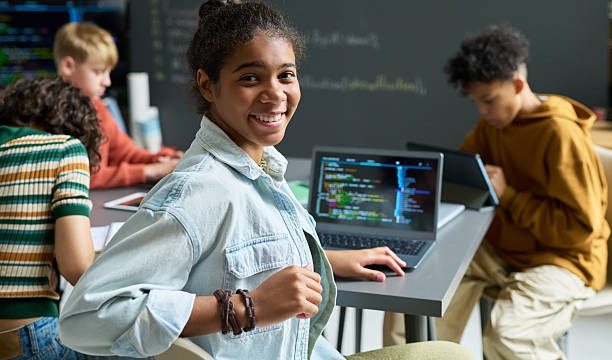
In the ever-evolving landscape of education, teachers are continually seeking ways to enhance classroom effectiveness.
The journey of teaching is not merely about imparting knowledge; it’s about creating an environment where students feel engaged, valued, and motivated to learn.
By integrating thoughtful and innovative techniques into their practice, educators can foster a more productive and enriching experience for their students.
Creating a warm and inviting classroom atmosphere is essential. When students feel comfortable, they are more likely to participate and express their thoughts openly. Simple changes, such as rearranging the seating to encourage collaboration, can make a significant difference. A circle or small group configuration can promote conversation and peer interaction, allowing students to engage in meaningful dialogue. When learners see their surroundings as a supportive space, they are more inclined to take risks in their learning.
Another effective approach is to incorporate varied teaching styles that cater to different learning preferences. Everyone absorbs information differently; some may thrive in a visual setting, while others may find auditory or kinesthetic methods more effective. By diversifying instructional techniques, teachers can reach a broader range of students. This might mean integrating multimedia presentations, hands-on activities, or even storytelling to convey concepts. The key is to remain flexible and attuned to the needs of the class, adjusting methods as necessary to ensure that all students have the opportunity to connect with the material.
Encouraging student autonomy is another powerful technique. When students are given the chance to take ownership of their learning, they often become more invested in the process. This can be as simple as allowing them to choose topics for projects or deciding how they wish to demonstrate their understanding of a concept. By fostering a sense of agency, teachers can cultivate intrinsic motivation, leading to deeper engagement and a more meaningful learning experience.
Feedback plays a vital role in the educational journey. Constructive feedback helps students understand their strengths and areas for improvement while also reinforcing their efforts. Creating a culture where feedback is seen as a positive and necessary part of growth can empower students to embrace challenges. Regular check-ins and opportunities for self-reflection can guide learners in recognizing their progress and setting personal goals. This not only supports their academic development but also nurtures a growth mindset, which is essential for lifelong learning.
Incorporating mindfulness practices into the classroom is another gentle yet effective technique. Simple breathing exercises or short moments of reflection can help students center themselves and reduce stress. This practice can be particularly beneficial during transitions between activities or after a challenging lesson. By taking a moment to pause, students can clear their minds and refocus, leading to increased concentration and a more harmonious classroom environment.
Building strong relationships with students is foundational to effective teaching. When educators take the time to get to know their students on a personal level, it fosters trust and respect. Simple gestures, such as remembering a student’s interests or checking in on their well-being, can create a sense of belonging. When students feel seen and valued, they are more likely to engage actively in their learning and collaborate with their peers. This connection can transform the classroom from a mere educational setting into a supportive community.
Incorporating real-world connections into lessons can also enhance classroom effectiveness. When students see the relevance of what they are learning, it ignites their curiosity and motivates them to dig deeper. This might involve connecting historical events to current issues or exploring scientific concepts through practical applications. By bridging the gap between theory and practice, educators can inspire students to see the value in their education and how it applies to the world around them.
Additionally, integrating technology thoughtfully can enrich the learning experience. Tools such as interactive apps, online resources, and collaborative platforms can engage students in new ways. However, it’s important to strike a balance, ensuring that technology enhances rather than overshadows the learning process. By using technology as a tool for creativity and exploration, teachers can create dynamic lessons that resonate with today’s learners.
Creating opportunities for collaborative learning can also elevate classroom effectiveness. Group projects and peer-to-peer learning not only foster teamwork but also allow students to learn from one another. This collaborative spirit encourages communication and problem-solving skills, essential for success beyond the classroom. When students work together, they share diverse perspectives and insights, enriching the learning experience for everyone involved.
Lastly, embracing a reflective practice as an educator can lead to continuous improvement. Taking time to evaluate what works well and what could be adjusted fosters a mindset of growth. This could involve journaling about daily experiences, seeking feedback from peers, or participating in professional development. By modeling a commitment to learning, teachers inspire their students to adopt similar habits, creating a culture of curiosity and self-improvement.
In conclusion, the journey to enhance classroom effectiveness is an ongoing and evolving process. By creating a nurturing environment, embracing diverse teaching methods, and fostering strong relationships, educators can significantly impact their students’ learning experiences. Each small shift toward these techniques contributes to a more balanced and enriching classroom atmosphere. Ultimately, the goal is to inspire students to become lifelong learners, equipped not only with knowledge but also with the skills and confidence to navigate the world around them. Through thoughtful practices and a commitment to growth, teachers can create a vibrant educational landscape where every student has the opportunity to thrive.