In the ever-evolving landscape of education, student assessment has become a focal point of discussion.
Educators and parents alike have come to realize that every child is unique, with their own way of learning and processing information.
The traditional one-size-fits-all approach to assessment can often overlook the diverse learning styles of students. As we explore the concept of student assessment that values every learning style, we enter a realm where education becomes a more inclusive, enriching experience for all.
Understanding the Spectrum of Learning Styles
Learning styles are often categorized into several broad types: visual, auditory, kinesthetic, and more. Visual learners thrive on images, diagrams, and written instructions. Auditory learners grasp concepts better through listening and discussion. Kinesthetic learners, on the other hand, prefer hands-on experiences and physical engagement. Recognizing these differences is the first step toward creating assessments that truly resonate with each student.
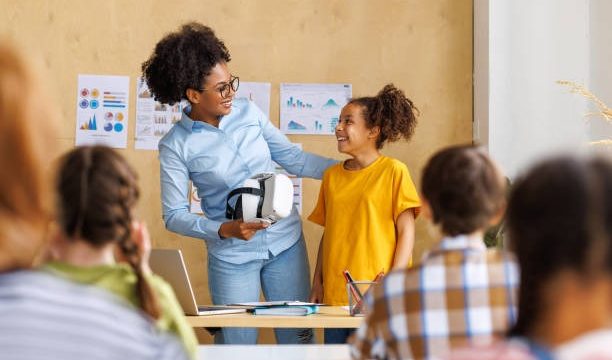
Incorporating various assessment methods can help meet the diverse needs of learners. This could mean combining traditional tests with creative projects, oral presentations, or group activities. For instance, a student who struggles with written exams might shine in a project that allows them to express their understanding through art or drama. By valuing these different modalities, we can create a more balanced approach to assessment.
Creating a Supportive Environment
A significant aspect of valuing every learning style lies in fostering a supportive environment. When students feel safe to express their unique ways of learning, they are more likely to engage deeply with the material. This involves not only understanding their learning preferences but also encouraging them to advocate for themselves. Teachers can play a pivotal role in this process by offering guidance and support, helping students to identify and embrace their individual strengths.
Furthermore, collaboration among peers can enhance this supportive atmosphere. When students work together, they can learn from one another’s strengths. A visual learner might help a kinesthetic learner visualize concepts through diagrams, while an auditory learner could lead discussions that clarify points of confusion. This collaborative spirit not only enriches the learning experience but also fosters a sense of community within the classroom.
A small shift toward balance
Shifting the focus from standardized testing to a more holistic approach can be transformative. This involves recognizing that assessment is not merely about grades but about understanding and growth. Educators can incorporate formative assessments—ongoing evaluations that provide feedback throughout the learning process—rather than relying solely on summative assessments, which typically evaluate learning at the end of a unit.
Formative assessments can take many forms. They might include student reflections, peer assessments, or teacher observations. This approach allows for adjustments along the way, helping to ensure that each student can demonstrate their understanding in a way that feels authentic to them. By prioritizing growth over grades, we cultivate a learning environment that encourages exploration and curiosity.
Encouraging Self-Assessment
Empowering students to assess their own learning is another vital component of an inclusive assessment strategy. Self-assessment helps students develop metacognitive skills, allowing them to reflect on their learning processes and identify areas for improvement. This practice also encourages accountability and fosters a sense of ownership over their education.
Educators can guide students in this journey by providing them with the tools to evaluate their own understanding. This might include journals, checklists, or reflection prompts. By engaging in self-assessment, students can better understand their learning styles and preferences, leading to greater self-awareness and motivation.
Involving Families in the Process
An often-overlooked aspect of student assessment is the role of families. When parents and guardians are involved in the assessment process, it creates a more cohesive support system for the student. Families can provide valuable insights into their child’s learning preferences and help reinforce concepts at home.
Creating opportunities for families to engage with the school community can also enhance understanding. Workshops, informational sessions, or open houses can help parents learn about the various assessment methods being used and how they can support their children’s learning styles. This partnership between home and school fosters a sense of unity and shared purpose in a child’s education.
The Role of Technology
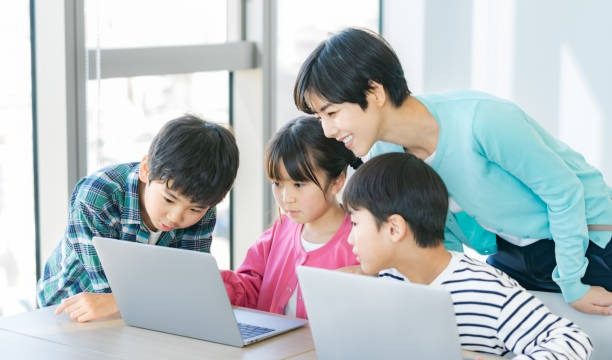
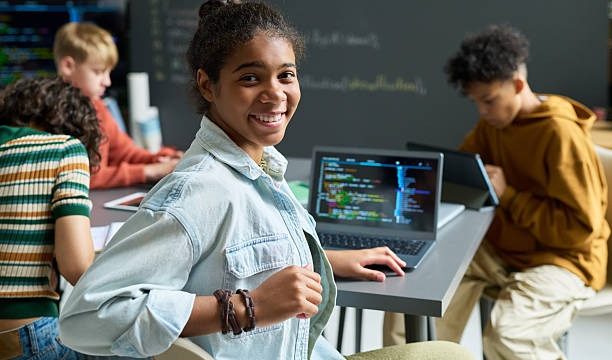
In today’s digital age, technology can play a significant role in accommodating diverse learning styles. Online platforms and educational apps often offer interactive and engaging ways for students to demonstrate their understanding. For example, a visual learner might benefit from using presentation software to create a digital poster, while an auditory learner could record a podcast discussing the topic at hand.
Moreover, technology can facilitate personalized learning experiences. Adaptive learning programs can assess a student’s knowledge and adjust the content to meet their individual needs. This tailored approach not only supports different learning styles but also allows students to progress at their own pace, making learning a more enjoyable and effective experience.
Looking Ahead
As we continue to explore the importance of student assessment that values every learning style, it’s essential to remember that the journey is ongoing. Educators, families, and communities must collaborate to create an inclusive environment that recognizes and celebrates diversity in learning. By embracing a more holistic approach to assessment, we can ensure that every student has the opportunity to shine.
In this ever-changing educational landscape, the goal is not just to assess knowledge but to nurture a love of learning. By valuing the unique ways in which each student learns, we can create a brighter future where education is not only a pathway to success but also a journey of self-discovery and personal growth. By fostering an environment that respects and celebrates every learning style, we empower students to embrace their individuality and thrive in their educational experiences.