In the ever-evolving landscape of education, teachers are continually seeking methods that not only enhance learning but also foster a sense of community and growth within the classroom.
The journey to inspire students is both an art and a science, requiring a blend of creativity, empathy, and responsiveness.
By exploring various instructional methods, educators can cultivate an environment that nurtures curiosity, collaboration, and resilience.
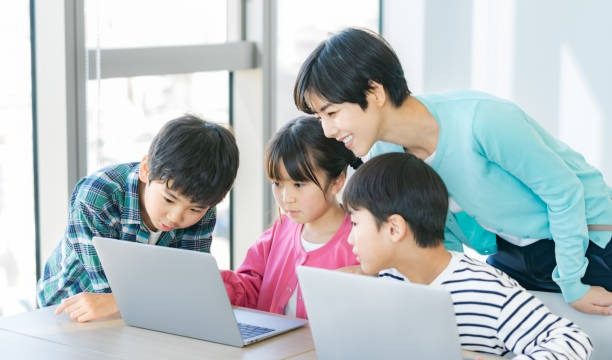
Creating connections through collaborative learning is one method that has gained traction in recent years. When students work together on projects, they not only learn from each other but also develop essential social skills. This collaborative spirit can transform a classroom into a vibrant hub of ideas, where students feel empowered to express themselves and take ownership of their learning journey. By encouraging group discussions and peer feedback, educators can help students build confidence and foster a sense of belonging.
Another approach that brings a fresh perspective to classroom dynamics is project-based learning. This method allows students to engage deeply with real-world problems, encouraging them to think critically and creatively. When students are tasked with projects that resonate with their interests or community needs, they become more invested in the outcomes. Teachers can guide them through the process, providing support while allowing room for exploration and innovation. The excitement that comes from seeing a project come to life can ignite a passion for learning that lasts well beyond the classroom walls.
A gentle shift toward personalized learning can also have a profound impact on classroom growth. Each student comes with unique strengths, interests, and challenges. By recognizing and accommodating these differences, educators can create tailored learning experiences that resonate with individual students. This could mean offering varied resources, adjusting pacing, or providing alternative assessments. When students feel seen and understood, they are more likely to engage meaningfully with the material, leading to deeper comprehension and retention.
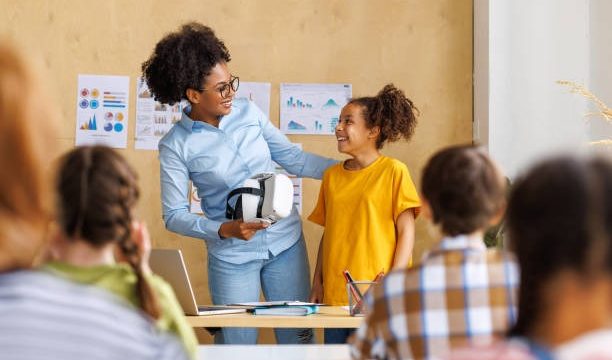
Incorporating technology in thoughtful and purposeful ways can also inspire growth in the classroom. Digital tools can enhance collaboration, facilitate research, and allow students to express their creativity in new formats. However, it’s essential to strike a balance and ensure that technology serves as a support rather than a distraction. By integrating tech tools that align with learning objectives, teachers can create a dynamic environment where students are excited to participate and explore.
Another enriching instructional method is the use of inquiry-based learning. By posing open-ended questions and encouraging students to explore answers through research and discussion, educators can stimulate critical thinking and foster a love of learning. This method not only promotes intellectual curiosity but also helps students develop problem-solving skills that are invaluable in everyday life. When students take the lead in their learning, they often discover new passions and interests that may shape their future paths.
A focus on social-emotional learning is essential in nurturing a positive classroom atmosphere. Understanding that education is not solely about academics, teachers can incorporate activities that promote emotional intelligence, empathy, and resilience. By creating opportunities for students to reflect on their feelings and experiences, educators can help them build strong relationships with themselves and others. This foundation of emotional well-being can lead to improved academic performance and a more harmonious classroom environment.
Embracing a growth mindset is another powerful instructional approach that can inspire students to reach their full potential. Encouraging the belief that abilities can be developed through dedication and hard work can transform how students approach challenges. Teachers can model this mindset by sharing their own experiences of learning from mistakes and celebrating effort as much as achievement. When students understand that setbacks are a natural part of the learning process, they become more resilient and willing to take risks.
A small shift toward balance in assessment methods can also foster a more supportive learning environment. Moving away from high-stakes testing and towards formative assessments allows teachers to capture a more holistic view of student progress. By providing regular feedback and opportunities for reflection, educators can create a culture of continuous improvement. This not only reduces anxiety around assessments but also encourages students to view learning as a journey rather than a destination.
To cultivate a sense of ownership in their education, students can be given choices in their learning experiences. This could involve selecting topics for projects or choosing how to demonstrate their understanding of a concept. When students feel they have a voice in their education, they are more likely to be engaged and motivated. This approach fosters independence and encourages them to take responsibility for their learning.
Finally, the importance of community cannot be overstated. Building strong relationships among students, teachers, and families creates a supportive network that enhances the learning experience. When families are engaged in the educational process, students feel a greater sense of accountability and connection. Regular communication and opportunities for involvement can strengthen these ties, making the classroom a place where everyone feels valued and supported.
In conclusion, the journey to inspire classroom growth is a multifaceted one, rich with opportunities for exploration and connection. By embracing collaborative learning, project-based approaches, personalized experiences, and a focus on social-emotional well-being, educators can create an environment that nurtures not just academic success but personal growth. In this ever-changing world, fostering a love for learning and a sense of community will prepare students to thrive both in and out of the classroom. As teachers continue to explore and implement these instructional methods, they pave the way for a brighter, more inclusive future in education.