In the ever-evolving landscape of education, the importance of supporting active classroom learning has never been more apparent.
As we strive to foster environments where students can thrive, it’s essential to explore various strategies that not only engage learners but also enhance their overall educational experience.
By embracing a few thoughtful practices, educators can create a vibrant atmosphere that encourages curiosity, collaboration, and critical thinking.
A gentle shift toward engagement begins with recognizing the diverse ways in which students learn. Each individual brings a unique set of experiences and perspectives into the classroom. This diversity can be leveraged through varied instructional methods that cater to different learning styles. For instance, incorporating visual aids, hands-on activities, and interactive discussions can help reach students who may struggle with traditional lecture formats. By offering multiple pathways to understanding, educators can create an inclusive environment where every student feels valued and empowered.
Creating a sense of community within the classroom is another vital aspect of supporting active learning. When students feel safe and connected, they are more likely to participate actively in discussions and collaborative tasks. Simple practices, such as beginning each class with a warm welcome or facilitating icebreaker activities, can foster relationships among students and between students and teachers. These connections can lead to a more cohesive learning environment, where students feel comfortable expressing their thoughts and ideas without fear of judgment.
Encouraging student autonomy is also key in nurturing an active learning culture. When students are given choices in their learning processes, they often feel more invested in the material. This might involve allowing them to select project topics that resonate with their interests or providing options for how they wish to demonstrate their understanding of a subject. By empowering students to take ownership of their learning, educators can ignite a passion for discovery that extends beyond the classroom walls.
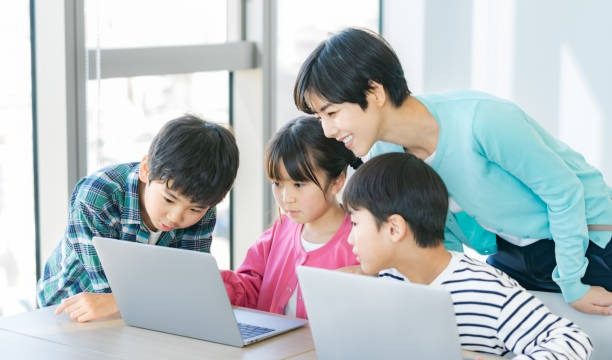
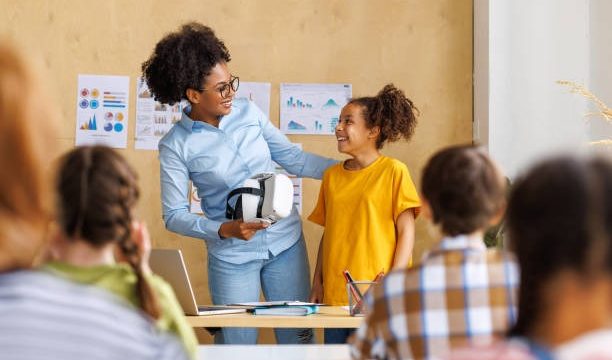
Integrating technology thoughtfully into the classroom can further enhance active learning. In today’s digital age, students are often more engaged when technology is involved. Utilizing educational apps, online discussion boards, or interactive quizzes can make learning more dynamic and appealing. However, it’s important to strike a balance; technology should complement, not replace, traditional teaching methods. Finding that sweet spot can lead to a more enriched learning experience that resonates with students of all backgrounds.
A focus on collaborative learning can also transform the classroom dynamic. Group projects and peer-to-peer learning opportunities allow students to share knowledge and learn from one another. This collaboration not only helps deepen understanding but also fosters essential social skills such as teamwork and communication. When students work together, they often feel a sense of shared purpose, which can be incredibly motivating. In this way, educators can cultivate a supportive atmosphere where students feel encouraged to engage actively with their peers.
Incorporating real-world applications into lessons can also bring learning to life. When students see the relevance of what they are studying, they are more likely to engage deeply with the material. This could involve discussing current events, analyzing case studies, or inviting guest speakers who can share their experiences in a particular field. Such connections can illuminate the practical implications of academic content, making it more accessible and meaningful for students.
Creating a rhythm of reflection within the classroom can also serve as a powerful tool for active learning. Encouraging students to take time to think about what they have learned and how it applies to their lives can deepen their understanding and retention. Simple reflection activities, such as journaling or group discussions about key takeaways, can help students internalize their learning experiences. This practice not only reinforces knowledge but also cultivates metacognitive skills that are invaluable throughout their educational journey.
A nurturing classroom environment is one where mistakes are viewed as opportunities for growth. When students feel comfortable taking risks, they are more likely to engage actively in their learning. Teachers can model this mindset by sharing their own experiences with challenges and setbacks. By creating a culture that celebrates effort and resilience, educators can inspire students to embrace their learning journeys, fostering a sense of curiosity and perseverance.
The role of feedback in supporting active learning cannot be overstated. Constructive feedback helps students understand their strengths and areas for improvement, guiding them on their learning paths. Creating opportunities for both peer feedback and teacher feedback can enrich the learning experience. When students receive input from multiple sources, they gain diverse perspectives that can enhance their understanding and encourage them to strive for excellence.
In the quest to support active classroom learning, self-care for educators is often overlooked. Teaching can be a demanding profession, and maintaining one’s well-being is essential for creating a positive learning environment. When teachers prioritize their own mental and emotional health, they are better equipped to inspire and engage their students. Simple practices such as mindfulness, regular breaks, and connecting with colleagues can significantly contribute to a teacher’s resilience and effectiveness in the classroom.
In conclusion, supporting active classroom learning requires a multifaceted approach that embraces diversity, fosters connection, and encourages autonomy. By integrating varied instructional methods, cultivating a sense of community, and incorporating real-world applications, educators can create an enriching environment where students feel empowered to engage actively in their learning. As we navigate the complexities of education, these strategies offer a roadmap toward creating vibrant, inclusive classrooms that inspire a lifelong love of learning. With a gentle focus on connection and collaboration, we can nurture a generation of curious, engaged learners ready to take on the world.