In the ever-evolving landscape of education, the focus on skill development has become more important than ever.
As we navigate through various teaching techniques, it’s essential to explore approaches that not only engage students but also foster a deeper understanding of the material.
The right techniques can inspire learners, encouraging them to take ownership of their education and cultivate skills that will serve them for a lifetime.
Creating a nurturing environment is a cornerstone of effective teaching. When students feel safe and valued, they are more likely to participate actively and take risks in their learning. This sense of belonging can be cultivated through simple gestures, such as greeting students warmly, acknowledging their contributions, or providing a space for open dialogue. When learners trust their educators, they are more inclined to express their thoughts and engage in discussions that enhance their critical thinking abilities.
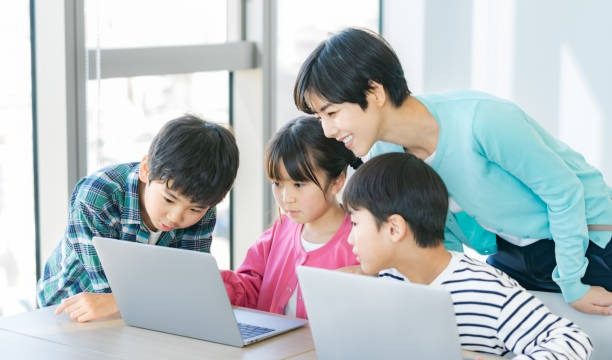
Another gentle yet powerful technique is the incorporation of collaborative learning. Group activities not only promote teamwork but also allow students to learn from one another. By working together on projects, students share diverse perspectives, which can deepen their understanding of the subject matter. This approach also teaches important social skills, such as communication and conflict resolution, which are invaluable in both academic and real-world settings. Encouraging students to rely on one another for support fosters a sense of community that can enhance their overall educational experience.
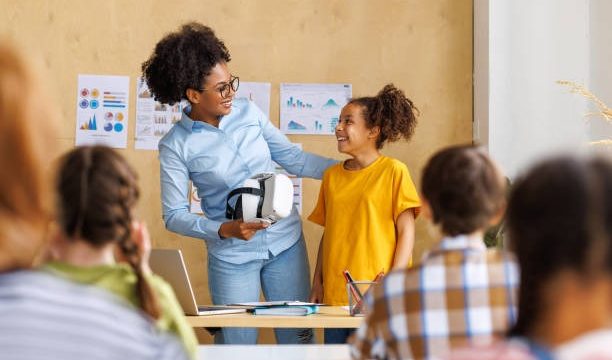
In addition to collaboration, hands-on learning can be a transformative experience for many students. Engaging in practical activities allows learners to apply theoretical knowledge in real-world scenarios. Whether it’s conducting experiments in a science class, creating art projects in a creative studio, or engaging in role-playing exercises in a language class, these tactile experiences can solidify understanding and retention. When students see the relevance of what they’re learning, their motivation often increases, leading to a more profound connection with the material.
A small shift toward balance is essential in teaching techniques that promote skill development. It’s important to recognize that each student has a unique learning style. While some may thrive in collaborative settings, others may prefer solitary study or hands-on projects. By offering a variety of learning experiences, educators can cater to different preferences, ensuring that all students have the opportunity to excel. This flexibility not only supports individual growth but also encourages a more inclusive classroom environment.
Feedback plays a crucial role in skill development. Constructive feedback can guide students toward improvement, helping them to identify areas where they can grow. However, it’s essential that this feedback is delivered in a supportive manner. Encouraging a growth mindset—where mistakes are viewed as opportunities for learning—can help students embrace feedback more positively. When learners understand that their efforts are valued and that they can improve with practice, they are more likely to take initiative in their own development.
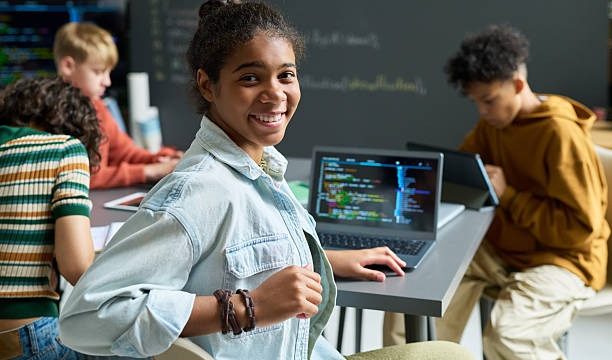
Integrating technology into the learning process can also enhance skill acquisition. Digital tools can provide interactive experiences that engage students in unique ways. For instance, educational apps can offer personalized learning pathways, allowing students to progress at their own pace. Online forums can facilitate discussions beyond the classroom, encouraging students to collaborate and share ideas. The use of technology, when balanced with traditional teaching methods, can create a rich tapestry of learning experiences that cater to a diverse classroom.
Encouraging creativity is another vital component of effective teaching. When students are given the freedom to explore their interests and express themselves, they are more likely to develop critical thinking skills. Creative projects, whether in writing, art, or problem-solving, can challenge students to think outside the box and develop innovative solutions. This not only enhances their cognitive abilities but also fosters a sense of ownership and pride in their work.
As we consider the importance of emotional intelligence in education, it becomes clear that teaching techniques should also focus on developing this essential skill. Encouraging students to reflect on their emotions and how they impact their learning can lead to greater self-awareness and empathy. Activities that promote social-emotional learning, such as mindfulness exercises or group discussions about feelings, can help students navigate challenges both in and out of the classroom. By fostering emotional intelligence, educators equip students with tools that are crucial for success in their personal and professional lives.
Incorporating real-world applications into lessons can significantly enhance skill development. When students understand how the concepts they are learning relate to everyday life, they are more likely to engage with the material. Inviting guest speakers, organizing field trips, or involving local community members in the learning process can provide valuable insights and inspire students. These experiences help bridge the gap between theory and practice, making education feel relevant and exciting.
Ultimately, the journey of skill development is a collaborative one. Educators, students, and families all play a vital role in creating an environment conducive to learning. Open communication between teachers and parents can ensure that students receive support both at school and at home. When families are involved in their children’s education, it reinforces the importance of learning and encourages students to strive for excellence.
In closing, the teaching techniques that nurture skill development are varied and multifaceted. By creating a supportive environment, encouraging collaboration, integrating hands-on experiences, and promoting emotional intelligence, educators can inspire students to take charge of their learning. As we embrace these approaches, we can foster a generation of learners who are not only knowledgeable but also equipped with the skills necessary to navigate the complexities of the world. The journey of education is a beautiful one, and with the right techniques, it can be a fulfilling experience for everyone involved.