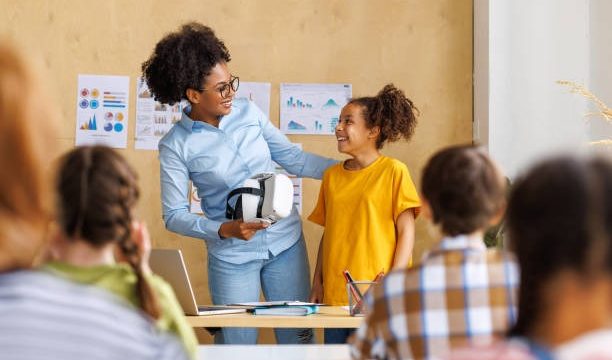
In the heart of every school, the classroom buzzes with energy and potential.
It is a space where knowledge blooms, and creativity takes flight.
As educators strive to cultivate an engaging learning environment, the right activities can make all the difference. By integrating fun and interactive experiences into core subjects, teachers not only enhance understanding but also foster a love for learning. Let’s explore some classroom activities that can strengthen essential subjects while nurturing an atmosphere of curiosity and collaboration.
A gentle nudge toward creativity can transform the way students perceive subjects like math and science. One engaging approach is to incorporate art into lessons. For instance, when teaching geometry, students could create their own geometric art pieces. By using various shapes to design a mural or a sculpture, they gain a deeper understanding of angles and dimensions while expressing their artistic flair. This blend of creativity and mathematics not only reinforces core concepts but also allows students to see the beauty in numbers.
When it comes to literacy, storytelling is a timeless activity that resonates with students of all ages. Encouraging students to write and share their own stories can enhance their writing skills and boost confidence. Creating a classroom story circle, where each student contributes a sentence or a paragraph, can lead to collaborative storytelling. This not only helps with language skills but also promotes teamwork and listening abilities. The joy of seeing a story unfold, crafted by the collective imagination of the class, is a delightful experience that reinforces the importance of communication.
Science, often seen as a subject filled with complex theories and formulas, can be made more tangible through hands-on experiments. Simple projects, like growing plants or creating a small ecosystem in a bottle, offer students a chance to observe scientific principles in action. As they nurture their plants, they learn about biology, the water cycle, and even the importance of ecosystems. The tactile experience of working with living things makes the science lessons memorable and helps students connect theoretical knowledge to real-world applications.
Incorporating movement into learning is another effective strategy that can invigorate the classroom. For example, using physical activities to teach math concepts can be both fun and beneficial. Setting up a math scavenger hunt, where students solve problems to find hidden clues, combines physical activity with critical thinking. This approach not only reinforces mathematical skills but also promotes teamwork and physical health. Students are more likely to remember concepts when they associate them with enjoyable experiences.
As we explore the realm of social studies, role-playing can be an engaging way to bring historical events to life. Students can take on roles from different time periods, allowing them to experience history firsthand. This immersive approach helps them understand the perspectives of others and fosters empathy. By reenacting significant events or exploring different cultures, students can develop a deeper appreciation for the complexities of history and society.
Integrating technology into the classroom can also enhance core subjects in exciting ways. Using educational apps and interactive websites allows students to explore subjects at their own pace. For instance, virtual field trips can transport students to historical landmarks or distant countries, enriching their understanding of geography and culture. This fusion of technology and learning not only captures students’ attention but also prepares them for a world where digital literacy is essential.
A small shift toward balance can be achieved by incorporating mindfulness activities into the classroom. Taking a few moments for quiet reflection or guided breathing exercises can help students focus and reduce anxiety. This practice can be particularly beneficial before tests or challenging assignments. By cultivating a calm and centered environment, students are better equipped to engage with their studies and approach challenges with a positive mindset.
Group projects can be another valuable way to strengthen core subjects while promoting collaboration. When students work together to research a topic, prepare a presentation, or create a project, they not only enhance their understanding of the subject matter but also develop essential teamwork skills. These experiences teach students how to communicate effectively, resolve conflicts, and appreciate diverse perspectives. The bonds formed during these collaborative efforts can lead to a supportive classroom community where everyone feels valued.
As educators look to inspire their students, literature can serve as a powerful tool for connection and discussion. Organizing a book club within the classroom allows students to explore different genres and themes while sharing their insights with peers. This activity not only enhances reading comprehension but also encourages critical thinking and dialogue. By discussing characters, plots, and moral dilemmas, students learn to articulate their thoughts and listen to others, fostering a rich exchange of ideas.
Incorporating real-world problems into lessons can also drive engagement and application of knowledge. For instance, exploring local environmental issues can bring science and social studies to life. Students can research the impact of pollution in their community, propose solutions, and even engage in service projects to make a difference. This hands-on approach not only deepens their understanding of core subjects but also instills a sense of responsibility and agency in their learning.
As we reflect on the myriad of ways to enhance core subjects through creative activities, it becomes clear that education is not just about memorizing facts but about fostering a love for discovery. By embracing innovative methods, educators can create an environment where students are excited to learn and explore. Whether through storytelling, hands-on experiments, or collaborative projects, the possibilities are endless.
In the end, the goal is to nurture not only knowledgeable individuals but also curious, compassionate citizens who are eager to contribute to the world around them. As we continue to adapt and evolve in our teaching methods, let us remember the importance of making learning enjoyable, relevant, and meaningful. After all, education is a journey, and every activity is a stepping stone toward a brighter future.