In the heart of every classroom lies a world of possibilities.
Each day, young learners step into this vibrant space, eager to explore, discover, and grow.
As educators and caregivers, it’s essential to provide them with tools that not only support learning but also ignite their imagination and curiosity. Let’s explore some inspiring classroom tools that can transform the educational experience for young minds.
Creating a nurturing environment is key to fostering a love of learning. One of the simplest yet most effective tools is the use of a well-organized classroom layout. A thoughtfully arranged space allows children to navigate their surroundings comfortably. Cozy reading corners, vibrant art stations, and interactive learning zones can encourage exploration. When children feel at home in their learning environment, they are more likely to engage with the materials and each other.
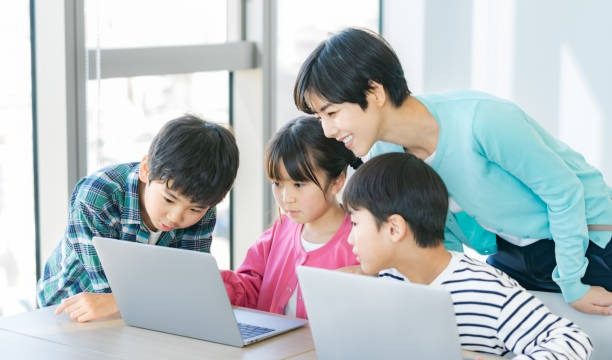
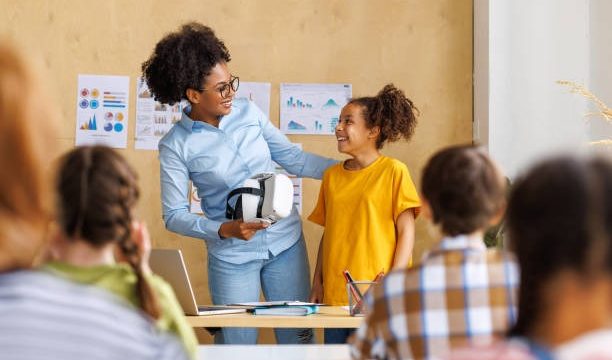
Incorporating technology can also enhance the learning experience, but it’s important to do so mindfully. Tablets and interactive whiteboards can serve as gateways to a wealth of information. They can bring lessons to life through engaging visuals and interactive activities. However, it’s essential to balance screen time with hands-on experiences. For instance, using educational apps to complement a science lesson can spark interest, but following it up with a nature walk or a simple experiment can deepen understanding and connection to the material.
Art supplies are another vital tool in nurturing young learners. Providing a variety of materials—such as paints, clay, and recycled objects—allows children to express themselves creatively. Art encourages critical thinking and problem-solving as children experiment with different techniques and mediums. Moreover, the process of creating can be incredibly therapeutic, offering a moment of calm and reflection amidst the hustle and bustle of the classroom.
Storytelling is a powerful method for inspiring young minds. Books can transport children to different worlds, introduce them to new ideas, and teach valuable lessons. A well-stocked classroom library with diverse genres and authors can cater to various interests and reading levels. Additionally, incorporating storytelling sessions where children can share their tales fosters communication skills and builds confidence. When children see their stories valued, it nurtures their sense of identity and creativity.
Hands-on learning tools, such as building blocks, puzzles, and science kits, can also be incredibly effective. These tangible materials encourage exploration and experimentation. For example, building blocks can help children understand basic engineering concepts while enhancing fine motor skills. Similarly, science kits can turn abstract theories into concrete experiences, making learning both fun and memorable. When children are actively engaged in their learning through tactile experiences, they are more likely to retain information and develop a love for inquiry.
Nature is perhaps the most inspiring tool of all. Bringing elements of the outdoors into the classroom can invigorate learning. Incorporating plants, natural light, and outdoor learning experiences can create a calming atmosphere that promotes focus and creativity. Nature walks can be a rich source of inspiration for lessons in science, art, and even language. Observing the world around them allows children to develop a deeper appreciation for their environment and the interconnectedness of all living things.
Collaboration is another essential aspect of a thriving classroom. Tools that promote teamwork and communication can help children learn the value of working together. Group projects, cooperative games, and peer-to-peer teaching encourage social skills and empathy. When children collaborate, they learn to appreciate different perspectives, fostering a sense of community and belonging. Creating a culture of kindness and support in the classroom can significantly enhance the overall learning experience.
Music and movement are also wonderful tools to inspire young learners. Integrating songs, dance, and rhythm into lessons can make learning more dynamic and enjoyable. Music can enhance memory and retention while allowing children to express themselves in unique ways. Movement breaks throughout the day can help children refocus and recharge, making them more receptive to learning. This holistic approach to education nurtures not only the mind but also the body and spirit.
As we consider the tools that inspire young learners, we must also recognize the importance of emotional well-being. Incorporating mindfulness practices into the classroom can help children develop self-awareness and emotional regulation. Simple techniques such as deep breathing exercises, guided imagery, or quiet reflection time can create a sense of calm and focus. When children feel emotionally secure, they are more open to learning and exploring new ideas.
Finally, fostering a growth mindset is essential in any educational setting. Encouraging children to embrace challenges and view failures as opportunities for growth can inspire resilience and perseverance. Tools such as motivational quotes, reflection journals, and discussions about overcoming obstacles can cultivate this mindset. When children believe in their ability to learn and grow, they are more likely to take risks and pursue their passions.
In conclusion, the tools we use in the classroom can significantly influence young learners’ experiences. By creating a nurturing environment, incorporating technology thoughtfully, and providing diverse materials for creative expression, we can inspire curiosity and a love for learning. Emphasizing collaboration, emotional well-being, and a growth mindset further enhances this experience. Ultimately, the goal is to equip our young learners with the skills and confidence they need to explore the world around them and become lifelong learners. With the right tools and support, the possibilities are endless.