In our rapidly evolving world, the landscape of education is continuously shifting.
As educators, parents, and community members, we often seek resources that not only support curriculum goals but also enrich the learning experience.
It’s about finding those little gems that can make a big difference in how students engage with their studies. Here, we’ll explore some instructional resources that can help create a more balanced and fulfilling educational journey.
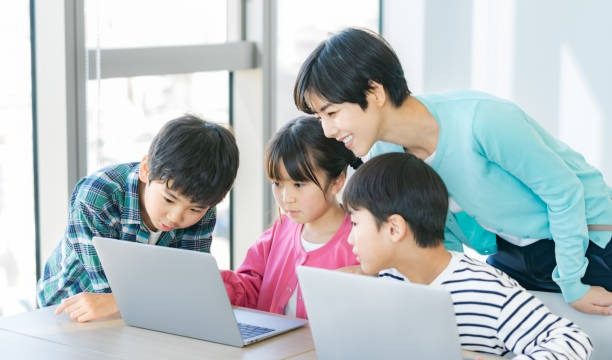
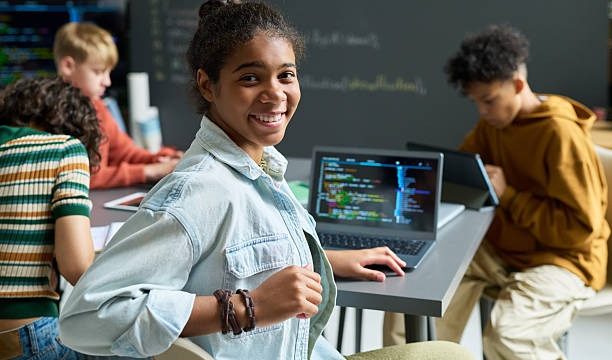
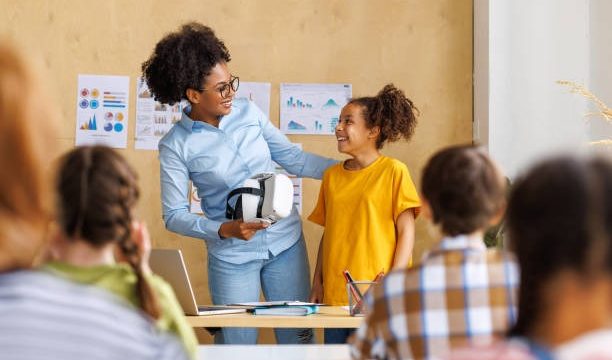
A gentle expansion of the learning environment can begin with technology. Digital tools are becoming increasingly woven into the fabric of education, offering new avenues for exploration and understanding. Online platforms provide a treasure trove of interactive content, from educational videos to engaging quizzes and simulations. These resources cater to different learning styles, enabling students to grasp complex concepts at their own pace. When used thoughtfully, technology can complement traditional teaching methods, creating a harmonious blend that resonates with today’s learners.
Books, both classic and contemporary, remain a cornerstone of educational resources. They ignite imagination and provoke thought, serving as windows into different worlds and perspectives. Incorporating a diverse selection of literature into the curriculum can foster empathy and critical thinking. The stories we share can transcend cultural boundaries, allowing students to connect with characters and situations far removed from their everyday experiences. This connection not only supports language and literacy goals but also nurtures a sense of global citizenship.
In addition to literature, hands-on materials can significantly enhance learning. Whether it’s science kits that allow students to conduct experiments or art supplies that encourage creative expression, tactile resources engage learners in a unique way. These materials can transform abstract concepts into tangible experiences, making lessons more memorable. When students can see, touch, and manipulate objects related to their studies, they often develop a deeper understanding and appreciation for the subject matter.
Collaboration is another vital aspect of a well-rounded educational experience. Group projects and cooperative learning activities encourage students to work together, fostering teamwork and communication skills. When students collaborate, they share ideas, challenge each other’s thinking, and learn to appreciate diverse viewpoints. This social interaction not only supports academic goals but also prepares students for the collaborative nature of the modern workplace.
A nurturing approach to education also involves incorporating emotional and social learning resources. Programs that focus on mindfulness, emotional intelligence, and conflict resolution can create a supportive environment for students. When learners feel safe and understood, they are more likely to engage fully with their studies. Resources such as guided meditation apps or social-emotional learning curricula can provide valuable tools for both educators and students, helping to cultivate a sense of well-being and resilience.
The power of community cannot be understated when it comes to enriching the educational landscape. Local partnerships with museums, libraries, and cultural organizations can offer students unique opportunities to learn outside the classroom. Field trips, workshops, and guest speakers provide real-world connections to the curriculum, making learning feel more relevant and exciting. These experiences can spark curiosity and inspire students to explore their interests further, fostering a lifelong love of learning.
As we consider the myriad resources available, it’s essential to keep in mind the importance of flexibility. Each student is unique, with their own strengths, challenges, and interests. A diverse array of instructional resources allows for differentiation in teaching, enabling educators to tailor their approach to meet individual needs. By offering various options, we can encourage students to take ownership of their learning, empowering them to pursue their passions and interests.
Engaging families in the educational process is another vital element of supporting curriculum goals. Resources that encourage family involvement, such as take-home projects or community events, can bridge the gap between home and school. When parents and guardians feel connected to their child’s education, it fosters a sense of partnership that benefits everyone involved. This collaboration can create a supportive network that reinforces the curriculum and enhances student learning.
In the pursuit of educational equity, it’s important to ensure that all students have access to high-quality resources. This means prioritizing inclusivity and representation in the materials we use. By selecting resources that reflect diverse cultures, experiences, and perspectives, we can create a more equitable learning environment. Every student should see themselves represented in the curriculum, which can boost confidence and motivation.
The journey toward achieving curriculum goals is not a solitary one. It involves a community of educators, families, and students working together to create a rich and fulfilling learning environment. By embracing a variety of instructional resources, we can cultivate a space that celebrates curiosity and fosters growth.
As we navigate the educational landscape, let’s keep our focus on the holistic development of each student. By integrating technology, literature, hands-on materials, and emotional learning resources, we can create a balanced approach that nurtures both the mind and heart. Together, we can inspire the next generation of learners to embrace their unique paths, equipped with the tools they need to succeed in an ever-changing world.
In this beautiful tapestry of education, let’s remember that every resource, every story, and every experience contributes to the larger narrative of learning. With patience, creativity, and a shared commitment to growth, we can support our curriculum goals while enriching the lives of our students.