In today’s education landscape, interactive learning has become a key element in fostering an engaging and effective classroom environment.
As educators seek to inspire curiosity and promote deeper understanding, they are turning to various strategies that encourage students to actively participate in their learning journey.
These approaches not only enhance retention of knowledge but also cultivate a sense of community and collaboration among students. Here are some strategies that can transform traditional teaching methods into vibrant, interactive experiences.
A gentle invitation to collaboration
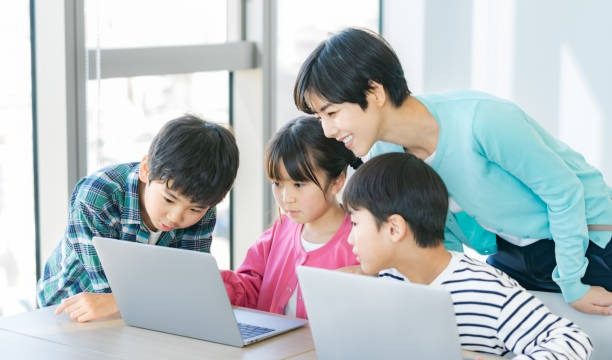
One of the most powerful ways to enhance interactive learning is through collaborative activities. When students work together, they not only share their knowledge but also learn from one another’s perspectives. Group projects, peer teaching, and discussion circles can create a dynamic atmosphere where students feel comfortable expressing their thoughts and ideas. Encouraging collaboration helps build social skills and fosters a sense of belonging, which can be particularly beneficial in a diverse classroom setting.
Moreover, collaborative learning can be integrated into various subjects, allowing students to tackle real-world problems together. For instance, in a science class, students could work in small groups to conduct experiments, analyze data, and present their findings. This not only makes learning more engaging but also encourages critical thinking and problem-solving skills.
A small shift toward balance
Incorporating movement into learning activities can significantly enhance student engagement. Research has shown that physical activity can stimulate brain function and improve focus. Simple strategies, such as incorporating short movement breaks or using standing desks, can help maintain energy levels and keep students attentive.
Additionally, activities that combine learning with movement—like scavenger hunts or role-playing exercises—can make lessons more memorable. Imagine a history lesson where students reenact a historical event or a math class that involves measuring distances around the classroom. These interactive experiences can transform learning from a passive to an active endeavor.
Creating a sanctuary for curiosity
Creating a classroom environment that encourages questions and exploration is essential for interactive learning. A safe space where students feel comfortable expressing their curiosity can lead to deeper understanding and engagement. Teachers can foster this environment by modeling enthusiasm for learning and demonstrating that it’s okay to make mistakes.
Encouraging students to ask questions and pursue their interests can lead to self-directed learning. For example, teachers might allow students to choose their research topics or design their own projects. This autonomy not only motivates students but also helps them develop a sense of ownership over their education.
The art of storytelling
Storytelling is a timeless method that can captivate students’ imaginations and make learning more relatable. By weaving narratives into lessons, teachers can create emotional connections to the material. Whether it’s sharing historical anecdotes, using literature to explore themes, or even inviting students to share their own stories, storytelling can bring subjects to life.
Incorporating multimedia elements, such as videos or podcasts, can further enhance the storytelling experience. This approach not only appeals to different learning styles but also allows students to engage with the content in a more meaningful way. When students can relate to the material on a personal level, they are more likely to retain information and develop a genuine interest in the subject.
Nurturing a culture of feedback
Feedback is a crucial component of interactive learning. Creating a culture where students feel comfortable giving and receiving feedback can enhance their learning experience. Teachers can facilitate this by providing constructive feedback that focuses on growth rather than solely on grades. Encouraging peer feedback can also empower students to take ownership of their learning and support one another in their educational journeys.
Regular check-ins and reflections can help students assess their understanding and set personal goals. By integrating feedback into the learning process, educators can guide students toward self-improvement and foster a growth mindset that values effort and perseverance.
Embracing technology with intention
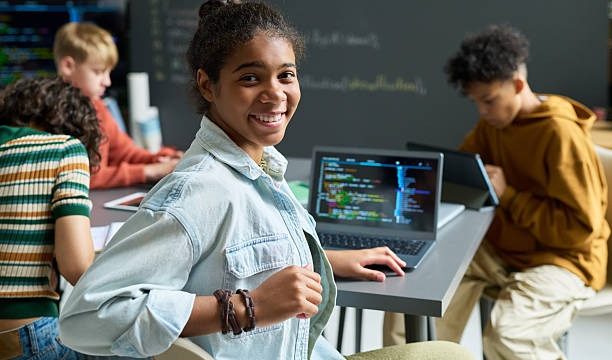
In today’s digital age, technology can be a powerful ally in promoting interactive learning. Online platforms and educational apps can provide students with opportunities to collaborate, share ideas, and access a wealth of resources. However, it’s important to approach technology with intention, ensuring that it enhances rather than detracts from the learning experience.
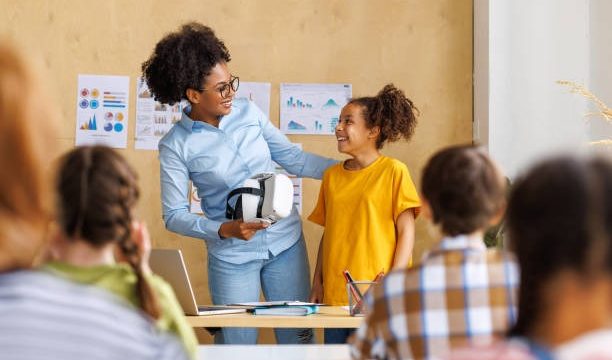
Teachers can utilize technology to create interactive lessons, such as virtual simulations or collaborative projects using online tools. By integrating technology thoughtfully, educators can engage students in innovative ways, allowing them to explore concepts and collaborate with peers beyond the classroom walls.
The power of reflection
Interactive learning doesn’t end with the lesson; it extends into reflection. Encouraging students to take time to reflect on what they’ve learned can deepen their understanding and help them connect their experiences to future learning. Journals, discussions, or creative projects can serve as outlets for students to articulate their thoughts, feelings, and insights.
Reflection also provides an opportunity for teachers to assess the effectiveness of their strategies and make necessary adjustments. By fostering a reflective practice, educators can create a more responsive and engaging learning environment that meets the needs of all students.
In closing
As we navigate the evolving landscape of education, it is essential to prioritize interactive learning strategies that engage and empower students. By fostering collaboration, encouraging curiosity, and embracing technology, educators can create vibrant classroom environments that inspire a lifelong love of learning. The journey toward interactive learning is a shared one, and with each small step, we can cultivate a culture of engagement, curiosity, and growth that benefits both students and teachers alike. In this shared space, education becomes not just a destination but a beautiful exploration of ideas, creativity, and connection.