In the ever-evolving landscape of education, the role of a teacher extends far beyond imparting knowledge.
It encompasses nurturing, guiding, and inspiring students to reach their full potential.
While curriculum and lesson plans are vital, the resources available to educators can significantly enhance their ability to foster student success. By embracing a variety of tools and strategies, teachers can create a supportive environment that encourages growth, curiosity, and resilience.
A gentle approach to resources
One of the most valuable resources available to teachers today is the wealth of online platforms dedicated to professional development and collaborative learning. Websites such as Edutopia and Teaching Channel offer a plethora of articles, videos, and forums where educators can share their experiences and learn from one another. Engaging with these communities can help teachers discover innovative teaching methods, classroom management strategies, and even ways to integrate technology into their lessons.
In addition to online communities, local workshops and conferences provide opportunities for teachers to connect with peers and experts in their field. These gatherings often spark new ideas and foster a sense of camaraderie among educators, reminding them that they are part of a larger mission to empower students. By continuously seeking out professional development, teachers can remain inspired and equipped with fresh perspectives that directly benefit their students.
Creating a welcoming environment
The physical classroom space plays a significant role in student engagement and success. A well-organized, inviting environment can make a world of difference in how students perceive their learning experience. Teachers can utilize resources such as flexible seating options, calming colors, and interactive displays to create an atmosphere that promotes focus and creativity.
Incorporating elements like plants, artwork, and student-created displays can also instill a sense of ownership and pride in the classroom. When students feel that their contributions are valued, they are more likely to engage actively in their learning. Simple changes, such as rearranging furniture or adding cozy reading nooks, can transform the classroom into a sanctuary where students feel safe to express themselves and explore new ideas.
Encouraging social-emotional learning
As the understanding of the importance of social-emotional learning (SEL) grows, teachers are increasingly seeking resources that support this aspect of education. SEL not only helps students develop essential life skills but also fosters a positive classroom climate. Books, games, and activities centered around emotional intelligence can serve as valuable tools for educators looking to integrate SEL into their curriculum.
Storytelling, for instance, is a powerful method for teaching empathy and understanding. By sharing diverse narratives—whether through literature, film, or personal experiences—teachers can encourage students to consider different perspectives and cultivate compassion. Additionally, mindfulness practices such as meditation or simple breathing exercises can help students develop self-awareness and emotional regulation, leading to improved focus and overall well-being.
Incorporating technology thoughtfully
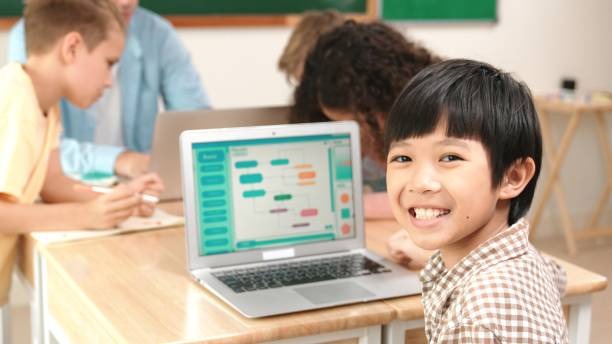
In today’s digital age, technology can be a double-edged sword. While it offers incredible opportunities for interactive learning, it can also be overwhelming for both teachers and students. The key lies in using technology mindfully and purposefully. Resources like educational apps, online quizzes, and virtual collaboration tools can enhance the learning experience when integrated thoughtfully into lesson plans.
Teachers can explore platforms such as Google Classroom or Seesaw to streamline communication and provide a space for students to showcase their work. However, it’s crucial to strike a balance between screen time and traditional learning methods. Encouraging students to engage with technology in moderation while also fostering an appreciation for hands-on activities can lead to a more well-rounded educational experience.
Fostering a growth mindset
Another essential component of encouraging student success is cultivating a growth mindset—the belief that abilities and intelligence can be developed through dedication and hard work. Resources such as Carol Dweck’s book “Mindset” offer valuable insights into how teachers can inspire resilience and a love of learning in their students.
Creating a classroom culture that celebrates effort, persistence, and learning from mistakes can empower students to embrace challenges rather than shy away from them. Teachers can model this mindset by sharing their own experiences with setbacks and emphasizing the importance of perseverance. Incorporating reflective practices, such as journaling or group discussions, can also help students internalize the growth mindset philosophy.
Building strong relationships
At the heart of education lies the relationship between teachers and students. Building strong connections can significantly impact student motivation and engagement. Teachers can utilize resources like mentorship programs or peer support groups to foster a sense of belonging among students. When students feel seen and heard, they are more likely to participate actively in their learning journey.
Additionally, regular communication with parents and caregivers can strengthen the support network for students. Sharing successes, challenges, and strategies for home reinforcement can create a collaborative atmosphere that benefits everyone involved. By establishing a partnership with families, teachers can ensure that students receive encouragement and support both in and out of the classroom.
Celebrating diversity and inclusion
A diverse classroom is a rich tapestry of experiences, perspectives, and cultures. Embracing this diversity can enhance the educational experience for all students. Resources such as multicultural literature, inclusive teaching strategies, and culturally responsive curricula can help educators create an environment where every student feels valued and understood.
By incorporating diverse voices and perspectives into lessons, teachers can broaden students’ horizons and encourage critical thinking. Celebrating cultural events and encouraging students to share their own backgrounds can further promote inclusivity and understanding. When students see themselves reflected in the curriculum, their engagement and enthusiasm for learning often flourish.
As educators continue to navigate the complexities of teaching, it’s essential to remember that the resources available to them can significantly influence student success. By embracing a holistic approach that encompasses professional development, classroom environment, social-emotional learning, technology, growth mindset, relationships, and diversity, teachers can create a nurturing space where every student has the opportunity to thrive. In this journey of education, the ultimate goal remains the same: to inspire and empower the next generation to reach their fullest potential.