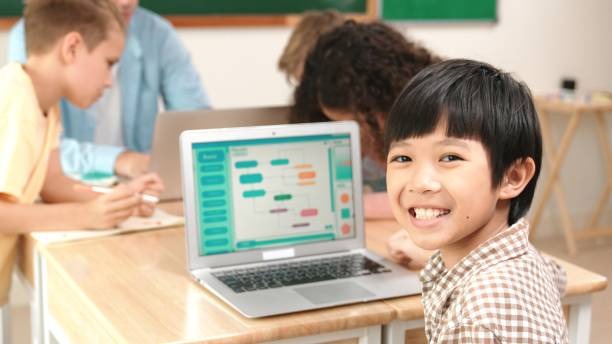
In recent years, the landscape of education has transformed remarkably.
Gone are the days when classrooms were solely about sitting at desks, listening to lectures, and taking notes in silence.
Today’s classrooms are vibrant, dynamic spaces where students are encouraged to engage actively with their learning. This shift has been fueled by a growing understanding of how children learn best—through interaction, exploration, and collaboration. One of the key components of this active learning environment is the use of learning aids designed specifically for classrooms that thrive on participation and energy.
Learning aids come in many forms, from tactile resources like building blocks and art supplies to digital tools that facilitate interactive learning experiences. The essence of these aids lies in their ability to cater to various learning styles while fostering an environment where students can thrive. In this article, we’ll explore some of the most effective learning aids that are transforming active classrooms into hubs of creativity and engagement.
Creating a tactile experience
One of the most significant benefits of incorporating learning aids into classrooms is the tactile experience they provide. Hands-on learning tools allow students to manipulate objects, which can deepen their understanding of abstract concepts. For instance, math manipulatives such as counting blocks or fraction tiles make it easier for students to visualize and comprehend numerical relationships. When children can physically engage with materials, they are more likely to retain information and develop a genuine interest in the subject matter.
Art supplies also play a pivotal role in fostering creativity. Providing students with opportunities to express themselves through drawing, painting, or crafting can enhance their emotional and cognitive development. These activities not only stimulate creativity but also encourage critical thinking and problem-solving skills as students navigate their artistic processes.
Integrating technology thoughtfully
In the digital age, technology has become an integral part of education. Interactive whiteboards, tablets, and educational apps have revolutionized the way students learn. These tools can transform traditional lessons into interactive experiences that captivate young minds. However, it’s essential to integrate technology thoughtfully, ensuring that it complements rather than replaces hands-on learning.
For instance, educational software that allows for collaborative projects can foster teamwork and communication skills. Students can work together on presentations or research projects, sharing ideas and learning from one another in the process. This collaborative approach not only enhances academic skills but also builds social connections, which are crucial for emotional well-being.
A small shift toward balance
While technology and tactile aids are vital, striking a balance between various learning methods is equally important. Active classrooms thrive on diversity, not only in teaching styles but also in the resources available to students. This diversity encourages students to explore different pathways to understanding, catering to their unique learning preferences.
Incorporating movement into the classroom is another way to promote engagement and balance. Simple changes, like allowing students to stand while working or incorporating short movement breaks, can significantly enhance focus and energy levels. Learning aids that promote physical activity, such as interactive games or outdoor learning resources, can make the classroom a lively and stimulating environment.
Fostering collaboration and communication
In an active classroom, collaboration is key. Learning aids that encourage group work can help students develop essential communication skills while also deepening their understanding of the material. For example, group projects that involve building or creating something together can foster a sense of community among students. As they share ideas and tackle challenges collectively, they learn valuable lessons about teamwork and respect for diverse perspectives.
Additionally, incorporating discussion-based learning aids, such as debate prompts or role-playing scenarios, can further enhance communication skills. These tools encourage students to articulate their thoughts and opinions, fostering a classroom culture where every voice is valued. Such skills are not only crucial for academic success but also for navigating social situations outside of the classroom.
Nurturing emotional intelligence
An active classroom is not just about academic learning; it’s also about nurturing emotional intelligence. Learning aids that promote social-emotional learning can help students develop empathy, resilience, and self-awareness. For instance, storytelling tools that allow students to create their narratives can help them explore their emotions and understand the experiences of others.
Mindfulness practices, integrated with learning aids, can also play a significant role in promoting emotional well-being. Simple activities, such as guided breathing exercises or reflective journaling, can help students manage stress and develop a positive mindset. These practices lay the groundwork for a supportive classroom environment where students feel safe to express themselves and engage with their peers.
The teacher’s role in an active classroom
While learning aids play a vital role in creating an active classroom, the teacher’s role is equally important. Educators must be skilled facilitators, guiding students through their learning journeys while encouraging exploration and inquiry. By fostering an atmosphere of curiosity, teachers can empower students to take ownership of their learning.
Continuous professional development can equip teachers with the tools and strategies they need to effectively integrate learning aids into their classrooms. Workshops, peer observations, and collaborative planning sessions can provide valuable insights into best practices for active learning. As teachers adapt to new methods and resources, they can create an enriching environment that benefits all students.
Embracing the journey of learning
Ultimately, the goal of an active classroom is to create a love for learning that lasts a lifetime. Learning aids designed for active classrooms are not just tools; they are gateways to exploration, creativity, and collaboration. By fostering an environment that values engagement and participation, educators can inspire students to embrace their learning journeys with enthusiasm.
In this ever-evolving educational landscape, it’s essential to remember that learning is a dynamic process. By incorporating a variety of learning aids and approaches, we can create classrooms that not only educate but also nurture the whole child. As we continue to explore new horizons in education, let’s celebrate the vibrant, active classrooms that are shaping the future of learning, one curious mind at a time.