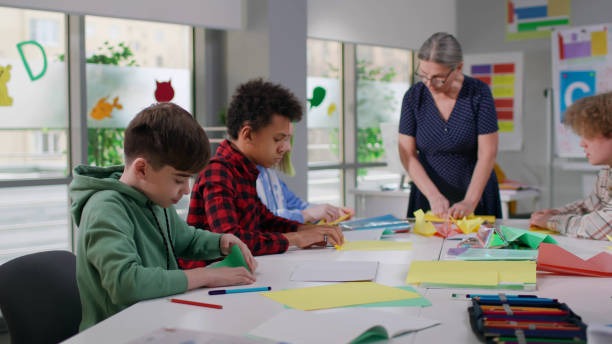
In the life of a student, the journey of learning is filled with excitement, challenges, and the ever-present opportunity to grow.
As they navigate through various subjects and skills, the act of practicing becomes a vital component of their success.
Yet, the question often arises: how can students best engage with new skills to ensure they not only learn but also retain and apply them effectively? Here are some gentle strategies that can help students weave practice into their daily lives.
A natural approach to learning often begins with a mindset shift. Instead of viewing practice as a chore, students can benefit from embracing it as an opportunity for exploration. This can be as simple as approaching a new math concept or a foreign language with curiosity. When students allow themselves to be inquisitive and playful, they often find that the act of practicing becomes less daunting. Curiosity can transform a repetitive task into an adventure, making the learning experience more enjoyable and engaging.
Creating a routine can also play a significant role in skill development. By establishing a consistent schedule, students can carve out dedicated time for practice. This doesn’t mean that every session needs to be lengthy or intense; even short, focused practice periods can yield impressive results over time. Whether it’s setting aside fifteen minutes each day to write, draw, or solve problems, consistency can help reinforce new skills. Moreover, when practice becomes a regular part of their day, students may find that they approach it with less resistance and more enthusiasm.
Incorporating creativity into practice can also breathe new life into the learning process. For instance, students might try to connect newly acquired skills with their personal interests. A budding musician could experiment with songwriting while practicing scales, or an aspiring writer might explore storytelling techniques through their favorite genres. By finding ways to personalize their practice, students can make connections that deepen their understanding and retention of new skills.
Another gentle yet effective strategy involves collaboration. Learning in isolation can sometimes feel overwhelming, whereas working with peers can create a supportive environment. Group study sessions or practice partnerships allow students to share their knowledge, ask questions, and motivate one another. This social aspect not only makes practice more enjoyable but also helps students gain different perspectives on the skills they are developing. Engaging with others can foster a sense of community and accountability, both of which can enhance the learning experience.
As students practice new skills, it’s essential to celebrate small victories along the way. Recognizing progress, no matter how minor, can provide a significant boost in motivation. This doesn’t mean that every achievement needs to be monumental; even mastering a challenging concept or completing a particularly difficult exercise deserves acknowledgment. Students can keep a journal or create a visual representation of their progress, allowing them to reflect on how far they’ve come. This practice of self-recognition can cultivate a positive mindset, encouraging them to continue their journey with renewed enthusiasm.
A small shift toward balance is also crucial in the practice of new skills. While it’s important to dedicate time to learning, it’s equally vital to ensure that students don’t overextend themselves. Burnout can hinder progress and diminish motivation. Encouraging students to take breaks, engage in physical activity, or simply relax can provide the necessary mental space to recharge. When students return to their practice with a refreshed mind, they often find that they approach challenges with greater clarity and creativity.
In the realm of skill development, feedback is a powerful tool. Students can benefit immensely from seeking constructive criticism on their work. This could come from teachers, mentors, or even peers. Understanding areas for improvement, as well as recognizing strengths, can guide their practice more effectively. However, it’s important to frame feedback positively. Rather than viewing it as a setback, students can see it as valuable insight that will help them refine their skills and grow.
Engaging with technology can also enhance the practice experience. There are countless apps, online resources, and interactive platforms that cater to various learning styles. Whether it’s a language-learning app, an online math game, or a creative writing platform, technology can offer a fresh and engaging approach to practice. These tools often incorporate gamification, making learning feel more like play than work. When students enjoy the process, they are more likely to stick with it and continue developing their skills.
Lastly, fostering a growth mindset is essential for students as they navigate their learning journeys. Encouraging them to view challenges as opportunities for growth rather than insurmountable obstacles can be transformative. When students believe that their abilities can improve with effort and practice, they are more likely to embrace challenges and persist in their endeavors. This mindset not only supports their current learning but also lays a strong foundation for lifelong learning.
In conclusion, the practice of new skills is a multifaceted journey that can be enriched through a variety of gentle strategies. By fostering curiosity, establishing routines, incorporating creativity, collaborating with others, celebrating progress, maintaining balance, seeking feedback, utilizing technology, and nurturing a growth mindset, students can create a nurturing environment for their learning. As they embark on this path, it’s important for them to remember that every small step contributes to their overall growth. With patience and persistence, they can transform the act of practicing into a fulfilling and rewarding experience.