In today’s fast-paced world, fostering problem-solving skills in children is more essential than ever.
As they navigate through life, these skills will empower them to tackle challenges with confidence and creativity.
Fortunately, there’s a treasure trove of teaching materials that can help cultivate this vital ability. By choosing resources that inspire curiosity and engagement, educators and caregivers can create an environment where problem-solving flourishes.
Exploring hands-on learning experiences can be a delightful way to spark interest in problem-solving. Children are naturally curious, and when they can touch, manipulate, and experiment with materials, their engagement deepens. Consider incorporating building sets, such as blocks or construction kits, into learning activities. These tools encourage young minds to visualize concepts, strategize, and think critically about how to create structures or solve design challenges.
Incorporating puzzles into the mix can also be a fantastic way to enhance cognitive skills. Whether it’s jigsaw puzzles that require spatial reasoning or logic puzzles that challenge deductive thinking, these materials offer an enjoyable way for children to practice problem-solving. The satisfaction of fitting the last piece into a puzzle or cracking a complex riddle can not only boost their confidence but also reinforce their ability to approach challenges systematically.
Another avenue to explore is the world of games. Board games and card games can serve as excellent teaching materials that promote strategic thinking and teamwork. Games like chess or cooperative strategy games encourage players to think several steps ahead, weighing their options and anticipating others’ moves. They allow children to experience the thrill of competition while also learning the importance of collaboration and communication in solving problems together.
A small shift toward balance can also be achieved through storytelling. Books that incorporate problem-solving elements can captivate young readers while imparting valuable lessons. Look for stories where characters face dilemmas and must come up with creative solutions. This not only engages children’s imaginations but also helps them understand that challenges can be part of a larger narrative that often leads to growth and discovery. Discussing these stories and asking open-ended questions can prompt deeper thinking and reflection on how they might handle similar situations.
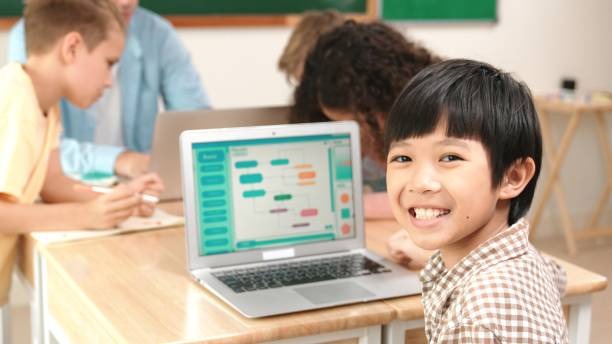
Integrating technology into problem-solving activities can open up a whole new world of possibilities. Educational apps and online platforms that focus on coding and robotics can introduce children to logical thinking in a fun and interactive manner. These tools often present challenges that require critical thinking, encouraging learners to troubleshoot and iterate on their ideas. As they engage with technology, children can develop a sense of agency and creativity, realizing that they have the power to create and innovate.
Outdoor activities can also serve as a wonderful backdrop for problem-solving adventures. Nature is filled with challenges that can inspire curiosity and ingenuity. Whether it’s building a fort from sticks, navigating a simple scavenger hunt, or exploring the local environment, these experiences encourage children to collaborate, communicate, and think on their feet. The open-ended nature of outdoor play allows for exploration and experimentation, giving children the freedom to discover solutions organically.
Creating a supportive atmosphere is crucial for nurturing problem-solving skills. Encouragement and positive reinforcement can go a long way in helping children feel comfortable tackling challenges. When they know that it’s okay to make mistakes and that every setback is an opportunity to learn, they are more likely to take risks and think creatively. As caregivers and educators, celebrating small victories, no matter how trivial they may seem, can inspire a growth mindset that values effort over perfection.
The significance of reflection in the learning process cannot be overstated. Setting aside time for children to reflect on their problem-solving experiences can help them internalize what they’ve learned. Ask them to share their thought processes and the strategies they used to overcome obstacles. This not only reinforces their understanding but also encourages them to think critically about their own learning journey. Reflection nurtures self-awareness and helps children articulate their ideas, making them more effective problem solvers in the future.
As we consider the various teaching materials that can spark problem-solving, it’s essential to remember that the journey is just as important as the destination. The goal is not merely to arrive at a solution but to enjoy the process of exploration and discovery. By providing children with diverse resources, opportunities for hands-on experiences, and a supportive environment, we can help them build the skills they need to navigate life’s challenges.
In closing, it’s heartening to know that fostering problem-solving skills can be both enjoyable and enriching. By integrating a variety of teaching materials and activities into our approach, we can inspire children to think critically, collaborate effectively, and develop a lifelong love for learning. As they grow and face new challenges, they will carry these skills with them, equipped to tackle whatever life throws their way with confidence and creativity. Embracing this journey together can lead to a brighter future for our children, one filled with endless possibilities.