In the bustling world of education, the ability to express ideas clearly is a vital skill that can significantly influence a student’s academic journey and personal growth.
As educators, fostering an environment where students feel comfortable articulating their thoughts is essential.
Here, we explore some effective classroom strategies that can help students find their voice and express themselves with confidence and clarity.
Creating a supportive atmosphere is the first step toward encouraging students to share their ideas. When students feel safe and respected, they are more likely to engage in open dialogue. Teachers can cultivate this environment by actively listening to students, validating their thoughts, and encouraging diverse perspectives. A simple nod or a warm smile can go a long way in making a student feel valued. When students perceive their contributions as meaningful, they become more willing to participate in discussions.
One effective strategy for enhancing communication skills is to incorporate regular opportunities for small group discussions. In these settings, students can share their ideas with peers in a less intimidating environment. This approach not only allows them to practice articulating their thoughts but also helps them learn the art of listening and responding to others. Teachers can facilitate these discussions by providing guiding questions or prompts that encourage deeper thinking and exploration of topics.
Another gentle yet impactful method is the use of journaling. Encouraging students to express their thoughts in writing can serve as a powerful tool for self-reflection and idea formation. Journals can be a safe space for students to articulate their feelings, opinions, and observations without the pressure of immediate feedback from others. Over time, this practice can help students clarify their thoughts, making it easier for them to share ideas verbally in class discussions.
Incorporating creative activities can also unlock students’ potential to express themselves. Art projects, storytelling, and drama exercises provide alternative avenues for communication. These activities allow students to convey their ideas in unique ways, fostering creativity and encouraging them to think outside the box. When students engage in creative expression, they often discover new dimensions of their thoughts and emotions, leading to richer discussions.
To further support students in articulating their ideas, teachers can introduce the concept of “think-pair-share.” This simple strategy involves giving students a moment to think about a question or topic, pairing them with a partner to discuss their thoughts, and then sharing their insights with the larger group. This method gives students the chance to organize their thoughts before speaking in front of their peers, reducing anxiety and enhancing clarity.
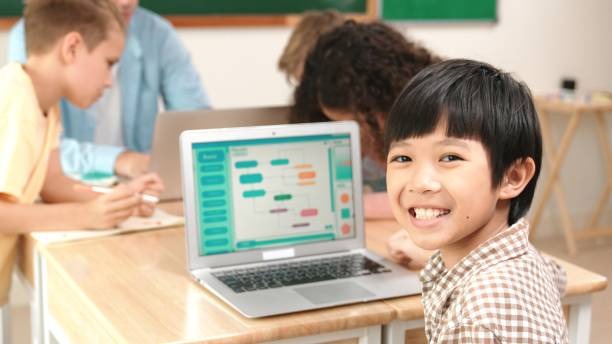
Encouraging the use of graphic organizers can also be beneficial in helping students structure their ideas. These visual tools allow students to map out their thoughts, making connections between concepts and organizing information in a coherent manner. When students can visualize their ideas, they are better equipped to articulate them clearly. Whether it’s a mind map, a flowchart, or a simple outline, graphic organizers can serve as valuable aids in the communication process.
Another gentle shift toward clarity involves teaching students about the importance of audience awareness. Helping students understand their audience can significantly improve how they convey their ideas. When they recognize who they are speaking to, they can tailor their language, tone, and content accordingly. Engaging in discussions about audience can lead to more thoughtful and effective communication, as students learn to consider the perspectives and backgrounds of those they are addressing.
Incorporating technology can also enhance students’ ability to express themselves. Digital platforms provide a variety of tools for communication, from blogs and podcasts to videos and social media. Encouraging students to utilize these platforms not only helps them practice their communication skills but also allows them to engage with a broader audience. Technology can empower students to share their ideas in innovative ways, making the process of expression more exciting and relevant to their lives.
Fostering a culture of feedback is another essential component in helping students express themselves. Constructive feedback not only guides students in refining their ideas but also builds their confidence. When feedback is delivered in a supportive manner, students are more open to sharing their thoughts and less fearful of making mistakes. Creating opportunities for peer feedback can also enhance this process, allowing students to learn from one another and develop a sense of community.
Finally, patience is key. Encouraging students to express themselves clearly is a journey that requires time and practice. As educators, it’s important to celebrate small victories along the way, whether it’s a student sharing a thought in class or improving their writing skills. Recognizing progress fosters a growth mindset, helping students understand that developing communication skills is an ongoing process.
In conclusion, the ability to express ideas clearly is a fundamental skill that can empower students throughout their lives. By creating a supportive environment, incorporating various strategies, and being patient, educators can help students find their voice. As they grow in confidence and clarity, they will not only enhance their academic performance but also equip themselves with the tools necessary for effective communication in all aspects of life. With gentle guidance and encouragement, students can learn to articulate their thoughts beautifully and authentically, paving the way for a brighter future.