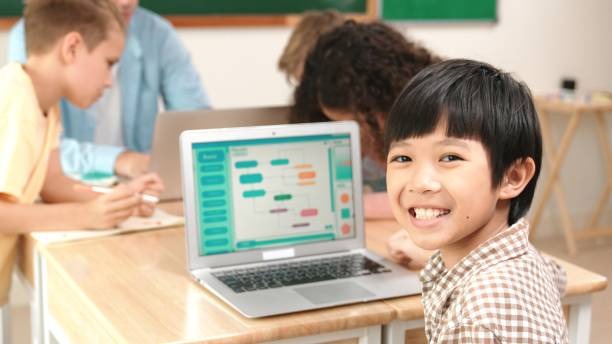
In today’s educational landscape, collaboration among students is no longer a mere bonus; it’s a necessity.
The ability to work together not only enhances learning outcomes but also prepares students for a world where teamwork is vital.
However, fostering productive collaboration can often feel like a daunting task. With a few thoughtful strategies, you can guide your students toward a more effective and enjoyable collaborative experience.
Creating a supportive environment is the first step in promoting productive collaboration. When students feel safe and valued in their group, they are more likely to contribute and share their ideas. It’s essential to cultivate a classroom atmosphere that encourages respect and openness. Begin by establishing clear expectations for communication. Encourage students to listen actively to one another and to value diverse perspectives. This openness not only fosters respect but also enhances the quality of discussions, allowing students to build on each other’s ideas.
In addition to setting the tone, consider the physical space in which collaboration occurs. A flexible classroom layout can significantly enhance the collaborative process. Arrange desks in clusters or use movable furniture to create a more inviting atmosphere for group work. This not only facilitates easier interaction but also allows students to engage in discussions more naturally. When students are comfortable in their surroundings, they are more likely to participate actively and contribute meaningfully to group tasks.
Another important aspect of guiding student collaboration is the careful selection of groups. While it might be tempting to let students choose their own partners, this can sometimes lead to imbalanced dynamics or cliques forming. Instead, consider mixing students based on diverse skill sets or interests. This not only promotes inclusivity but also challenges students to step outside their comfort zones. When students collaborate with peers who think differently, they can develop a richer understanding of the subject matter and learn to appreciate varied viewpoints.
As students begin to work together, it’s vital to provide them with clear goals and roles within their groups. Establishing specific tasks can help maintain focus and clarity during collaborative work. Encourage students to define their roles based on their strengths and interests. For instance, one student might take on the role of the researcher, while another could focus on presentation design. This division of labor not only fosters accountability but also allows each student to shine in their area of expertise. When everyone understands their contribution to the group, the collaborative process becomes more streamlined and efficient.
While collaboration is essential, it can also lead to challenges such as conflict or miscommunication. It’s important to anticipate these potential hurdles and equip students with the tools to navigate them successfully. Teaching conflict resolution skills can be incredibly beneficial. Encourage students to express their disagreements respectfully and to seek solutions collaboratively. Role-playing exercises can be a fun way to practice these skills in a low-stakes environment. By giving students the tools to handle conflicts, you empower them to manage their collaborative experiences more effectively.
Feedback is another crucial element in guiding productive collaboration. Creating a culture of constructive feedback can encourage students to reflect on their contributions and the group’s dynamics. Consider incorporating peer evaluations where students can share their thoughts on the collaborative process. This not only helps them learn how to give and receive feedback but also fosters a sense of accountability. When students understand that their contributions matter, they are more likely to engage fully in the collaborative process.
Incorporating technology can also enhance collaboration among students. Many digital tools can facilitate communication and project management, making it easier for students to share ideas and resources. Platforms like Google Docs or Trello allow groups to collaborate in real time, regardless of their physical location. However, it’s essential to teach students how to use these tools effectively. Providing guidance on digital etiquette and the importance of maintaining a respectful online presence can help students navigate the digital landscape responsibly.
As you guide students through their collaborative experiences, remember that reflection is a powerful tool for growth. Encourage students to take time after each project to discuss what worked well and what could be improved. This reflective practice not only reinforces learning but also helps students develop a growth mindset. When they see collaboration as a learning opportunity rather than just a task, they are more likely to embrace the process and learn from their experiences.
Ultimately, the goal of fostering productive student collaboration is to create a community of learners who support and inspire one another. By cultivating a supportive environment, defining clear roles, and providing tools for conflict resolution and feedback, you can guide your students toward more meaningful collaborative experiences. Collaboration is not just about completing a project; it’s about building relationships, enhancing understanding, and growing together.
As you implement these strategies, be patient with the process. Collaboration is a skill that takes time to develop, and each group will have its unique dynamics. Celebrate the small victories along the way, and encourage students to appreciate the value of working together. In doing so, you’ll not only enhance their academic experience but also prepare them for the collaborative nature of life beyond the classroom. Embrace the journey of guiding student collaboration, and watch as your classroom transforms into a thriving community of learners.