In today’s ever-evolving educational landscape, the demand for interactive lessons has become more pronounced than ever.
Teachers are continually seeking ways to engage their students, sparking curiosity and fostering a deeper understanding of the material.
The right teaching materials can make all the difference in creating an interactive and enjoyable learning environment. Let’s explore some ideas that can help transform a traditional classroom into a vibrant space where students thrive.
The essence of interactive lessons lies in their ability to foster participation. When students are actively engaged, they are more likely to absorb and retain information. One way to achieve this is by incorporating multimedia resources into the curriculum. Videos, podcasts, and interactive websites can invigorate lessons and cater to various learning styles. For instance, a documentary clip can serve as a powerful introduction to a history lesson, prompting discussions and critical thinking. Likewise, educational podcasts can provide insights into complex topics, making them more relatable and easier to grasp.
Another effective approach is the use of hands-on activities. Experiential learning allows students to explore concepts in a tangible way, promoting a deeper understanding. Depending on the subject matter, this could involve science experiments, art projects, or even role-playing scenarios. For example, a science class might engage students in creating simple chemical reactions using household items. This not only makes learning fun but also encourages collaboration and teamwork.
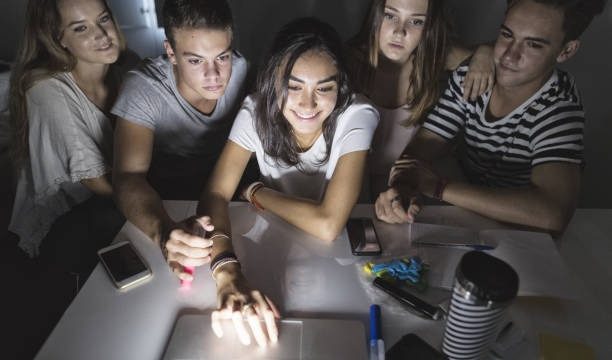
Creating a collaborative atmosphere is essential for interactive lessons. Group projects can be a wonderful way to foster communication and cooperation among students. When working together, students can share ideas, challenge each other’s thinking, and learn from one another. This collaborative spirit nurtures a sense of community within the classroom, where every voice is valued. Teachers can guide these projects by providing clear objectives while allowing students the freedom to explore their creativity.
Technology can also play a significant role in enhancing interactive lessons. With the rise of educational apps and platforms, teachers have access to a wealth of resources that can be tailored to their lesson plans. Virtual simulations, gamified learning experiences, and online quizzes can make lessons more dynamic and engaging. For instance, using a platform that allows students to create their own quizzes can reinforce learning while adding an element of friendly competition. The integration of technology helps to bridge the gap between traditional teaching methods and the digital age, making learning more relevant to today’s students.
A small shift toward balance can also be achieved through the incorporation of mindfulness practices in the classroom. By integrating moments of reflection or guided meditation, teachers can help students center themselves, reducing anxiety and enhancing focus. This approach not only benefits the students’ well-being but also sets a positive tone for interactive learning. When students feel calm and centered, they are more likely to engage wholeheartedly in discussions and activities.
Moreover, the use of real-world connections can make lessons more meaningful. When students see how the concepts they are learning apply to their lives, their interest and motivation naturally increase. Teachers can invite guest speakers, organize field trips, or incorporate current events into their lessons. For example, a math lesson on budgeting could be enriched by inviting a local business owner to discuss financial planning. Such connections help students understand the relevance of their education and inspire them to think critically about the world around them.
In the realm of interactive lessons, creativity knows no bounds. Art supplies can be transformed into tools for expression, allowing students to illustrate their understanding of a subject in a way that resonates with them. Whether it’s through creating a visual representation of a story or designing a poster to convey scientific concepts, encouraging artistic expression can deepen comprehension and retention.
Furthermore, fostering a safe space for dialogue can enhance the interactive experience. When students feel comfortable sharing their thoughts and ideas, it opens the door to richer discussions. Teachers can create this environment by encouraging open-ended questions and valuing diverse perspectives. This not only enhances critical thinking but also instills a sense of respect and empathy among students, essential skills for their future endeavors.
As we consider the impact of teaching materials on interactive lessons, it’s important to remember that the goal is not merely to entertain but to educate. The materials chosen should align with learning objectives while sparking genuine interest. Teachers can curate a blend of resources that resonate with their students, taking into account their unique preferences and experiences.
In conclusion, the journey toward creating interactive lessons is an ongoing process that invites creativity, collaboration, and adaptability. The right teaching materials can transform a conventional classroom into an engaging space where students are excited to learn. By incorporating multimedia resources, hands-on activities, technology, and real-world connections, educators can cultivate an enriching environment that nurtures curiosity and fosters a love for learning. Ultimately, it’s about finding the balance between structure and freedom, allowing students to explore, question, and discover in a supportive atmosphere. As we embrace these innovative approaches, we pave the way for a brighter future in education, one interactive lesson at a time.