Creating a vibrant and engaging learning environment is essential for fostering curiosity and enthusiasm among students.
In today’s fast-paced educational landscape, teachers are continually searching for innovative teaching materials that can enhance classroom experiences.
By thoughtfully incorporating various resources, educators can create dynamic lessons that resonate with students and encourage them to participate actively in their learning journey.
Incorporating technology into the classroom is one of the most transformative shifts in education in recent years. Interactive applications and online platforms have revolutionized how students engage with content. For instance, educational apps provide a space for personalized learning, allowing students to progress at their own pace while exploring subjects that intrigue them. Teachers can utilize these tools to create a blended learning environment, where traditional methods complement digital resources, leading to a more holistic approach to education.
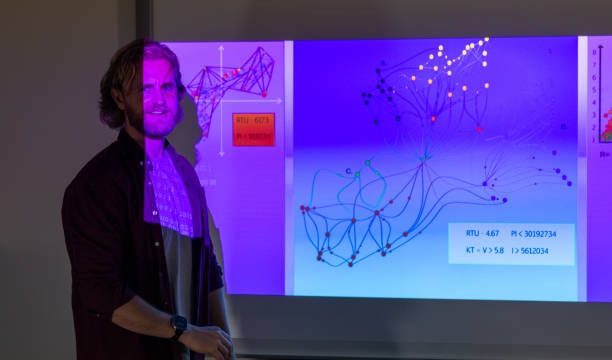
Visual aids are another powerful tool in any educator’s toolkit. Charts, infographics, and videos can bring complex ideas to life, making them more accessible and relatable to students. For example, a simple diagram can clarify a scientific concept, while a short video can immerse students in historical events, igniting their imaginations. By integrating visual materials, teachers can cater to various learning styles, ensuring that every student has the opportunity to connect with the content meaningfully.
A small shift toward balance can also be achieved through hands-on learning experiences. When students engage in practical activities, such as experiments, art projects, or even community service, they gain a deeper understanding of the material. These experiences not only reinforce theoretical knowledge but also help students develop critical thinking and problem-solving skills. For instance, a science class can come alive when students conduct experiments, observing firsthand the principles they’ve learned in textbooks. This experiential learning fosters a sense of curiosity and encourages students to ask questions and explore further.
Moreover, incorporating literature into the curriculum can enrich classroom discussions and promote empathy and understanding. Stories have the power to connect people across cultures and time, offering insights into diverse perspectives. Teachers can curate a selection of books that reflect a variety of voices and experiences, inviting students to explore themes of identity, resilience, and community. By discussing literature, students can develop a greater appreciation for language and storytelling, while also learning to express their own thoughts and feelings.
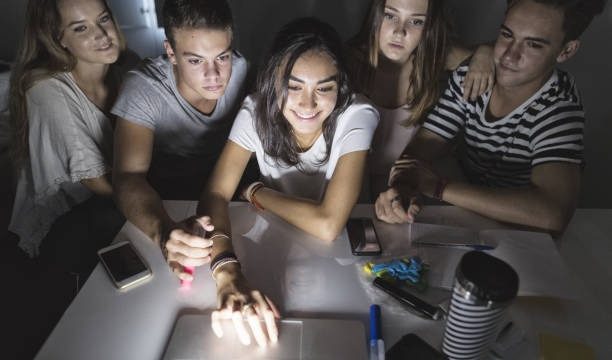
Collaboration is another essential aspect of creating dynamic classroom experiences. When students work together on projects, they learn valuable social skills and the importance of teamwork. Group activities encourage communication, creativity, and critical thinking as students share ideas and tackle challenges collectively. Whether it’s a science fair project or a literature circle, collaborative learning fosters a sense of belonging and community within the classroom.
In addition to traditional subjects, integrating art and music into the curriculum can enhance creativity and self-expression. These disciplines allow students to explore their individuality while developing skills that are beneficial across all areas of study. Art projects can provide a welcome break from more structured learning, giving students the freedom to experiment with colors, shapes, and materials. Similarly, incorporating music into lessons can create a joyful atmosphere, making learning feel less daunting and more enjoyable.
Encouraging students to take ownership of their learning is another vital component of a dynamic classroom. Providing choices in assignments or allowing students to explore topics that interest them can lead to greater engagement and motivation. When students feel empowered to make decisions about their education, they are more likely to invest time and effort in their work. This sense of autonomy can foster a lifelong love of learning, encouraging students to become curious and proactive individuals.
Creating an inclusive environment is also crucial for dynamic classroom experiences. Teachers can utilize materials that reflect the diversity of their students, ensuring that everyone feels seen and valued. By promoting an atmosphere of respect and understanding, educators can help students appreciate the richness of different cultures and perspectives. This inclusivity not only enhances social dynamics but also prepares students to navigate an increasingly interconnected world.
As educators seek to create enriching classroom experiences, it’s essential to remember the importance of reflection. Taking time to assess what works and what doesn’t can lead to continuous improvement in teaching practices. Gathering feedback from students can provide valuable insights into their experiences and preferences, allowing teachers to adapt their approaches to better meet the needs of their learners. This commitment to growth not only benefits students but also fosters a culture of lifelong learning among educators themselves.
Ultimately, the goal is to create a classroom environment where students feel safe, inspired, and eager to learn. By thoughtfully selecting and implementing diverse teaching materials, educators can cultivate dynamic experiences that resonate deeply with their students. It’s about building connections—between students and their peers, between students and the content, and between the classroom and the wider world.
In this journey of education, every small step towards innovation can lead to significant changes in how students perceive learning. As teachers embrace new ideas and materials, they have the opportunity to transform their classrooms into spaces where curiosity thrives, and every student feels empowered to explore, create, and grow. By nurturing these dynamic experiences, we can inspire the next generation of thinkers, dreamers, and doers, ready to embark on their own journeys of discovery.