In the ever-evolving landscape of education, the concept of feedback has emerged as a powerful tool for fostering meaningful academic change.
For both educators and students, feedback serves as a bridge that connects the present experience to future growth.
When approached with intention, feedback can transform not just individual performance but entire learning environments.
A gentle nudge toward improvement
Feedback can often feel like a daunting word. Many students and educators associate it with judgment, grades, or even criticism. However, when we shift our perspective, feedback can become a gentle nudge toward improvement rather than a source of anxiety. It invites reflection, encourages dialogue, and promotes a culture of continuous learning.
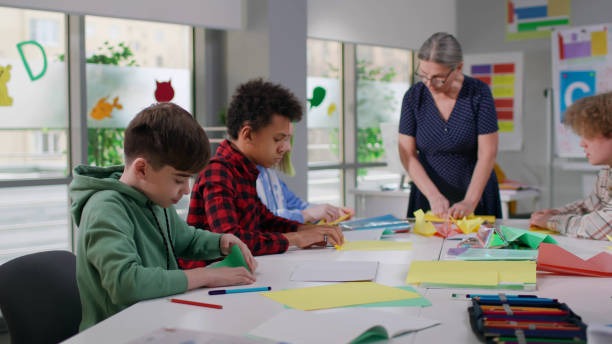
Imagine a classroom where feedback is embraced as a natural part of the learning process. In such an environment, students feel safe to express their thoughts and questions, knowing that their contributions are valued. This kind of atmosphere fosters creativity and collaboration, allowing everyone to thrive. Educators, too, benefit from this openness, gaining insights into their teaching methods and the unique needs of their students.
Creating a feedback-rich environment
Cultivating a feedback-rich environment requires intentionality. It starts with establishing clear communication channels. Teachers can create spaces for students to share their thoughts on lessons, assignments, and even classroom dynamics. This can be as simple as having regular check-ins, encouraging informal discussions, or utilizing digital platforms where students can submit their reflections.
Moreover, feedback should be timely and constructive. When students receive feedback while the learning experience is still fresh, they are more likely to engage with it meaningfully. Educators can offer specific suggestions for improvement rather than vague comments. It’s all about fostering an atmosphere where students feel supported and empowered to make changes.
Listening as a vital skill
One of the most critical aspects of effective feedback is the art of listening. Feedback should not be a one-way street. Educators must be open to hearing what their students have to say. This requires active listening—truly tuning in to students’ ideas, concerns, and aspirations. When students feel heard, they are more likely to trust their educators and be receptive to the feedback they receive.
Listening also creates a valuable feedback loop. When students share their experiences, educators gain insights that can inform their teaching practices. This collaboration leads to a richer educational experience for everyone involved. It’s a beautiful cycle of growth that nurtures both students and teachers.
Finding balance in feedback
While feedback is essential, it’s equally important to strike a balance. Too much feedback can overwhelm students, leading to confusion or frustration. Conversely, too little feedback can leave them feeling lost and unsupported. Finding this balance requires sensitivity and awareness of each student’s unique needs.
Educators can consider the context of the feedback. For instance, if a student is struggling with a specific concept, providing targeted feedback on that area can be more beneficial than overwhelming them with comments on every aspect of their work. It’s about focusing on what will help them grow while also celebrating their successes, no matter how small.
Encouraging self-reflection
Another powerful aspect of feedback is its potential to foster self-reflection. By encouraging students to reflect on their work and the feedback they receive, educators can empower them to take ownership of their learning journey. This can be as simple as prompting students to consider what they learned from a project or how they might approach a similar task differently in the future.
Self-reflection nurtures a growth mindset, where students view challenges as opportunities for development rather than setbacks. It helps them internalize the feedback they receive, making it a part of their learning process. When students recognize their progress and areas for improvement, they become more engaged in their education.
Celebrating progress, not perfection
In the quest for academic change, it’s essential to celebrate progress rather than perfection. This mindset shift can create a more positive learning environment where students feel motivated to strive for improvement without the fear of failure.
Educators can highlight individual and collective achievements, recognizing the effort that goes into learning. By focusing on the journey rather than solely on the end results, students are encouraged to embrace challenges and learn from their experiences. This approach fosters resilience, a crucial skill for navigating not just academic pursuits but life itself.
Building a community of support
Ultimately, the goal of using feedback to support meaningful academic change is to build a community of support. When students, educators, and even parents collaborate, the learning experience becomes richer and more fulfilling. This sense of community can be cultivated through open communication, shared goals, and a collective commitment to growth.
Creating opportunities for students to share their feedback with peers can also enhance this sense of community. Group projects, peer reviews, and collaborative discussions allow students to learn from one another and develop their feedback skills. This not only strengthens their understanding of the subject matter but also fosters a sense of belonging.
Embracing the journey
As we navigate the complexities of education, embracing feedback as a vehicle for meaningful change can lead to profound transformations. By creating environments where feedback is welcomed, listening actively, encouraging self-reflection, and celebrating progress, we pave the way for a brighter educational future.
In a world where learning is a lifelong journey, the ability to give and receive feedback gracefully is invaluable. It nurtures not just academic growth but personal development, instilling a love for learning that lasts well beyond the classroom. So, let us embrace this journey together, supporting one another with kindness and understanding as we strive for meaningful academic change.