Encouraging children to explore new ideas is an enriching journey that not only fosters creativity but also nurtures their overall development.
In a world that constantly evolves, cultivating a sense of curiosity in children plays a crucial role in shaping their understanding and adaptability.
Here, we delve into gentle approaches that can inspire children to embrace new concepts and perspectives.
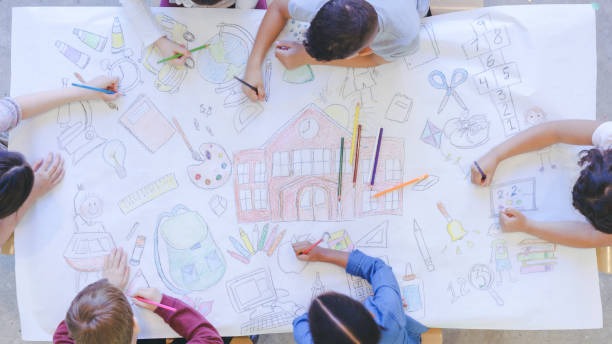
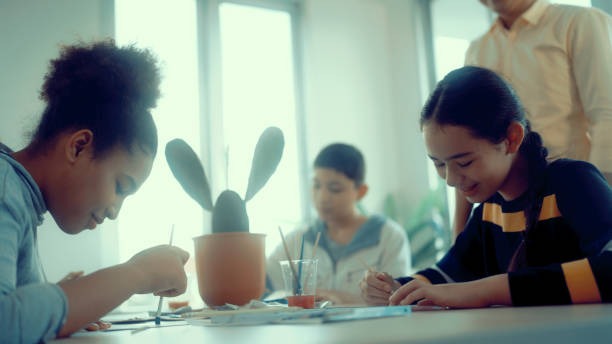
Creating a welcoming environment is a foundational step in encouraging exploration. Children thrive in spaces where they feel safe to express themselves and their thoughts. A cozy reading nook filled with a variety of books can spark their imagination, inviting them to dive into different worlds. Similarly, an art corner stocked with various materials allows for creative expression, encouraging them to experiment without fear of judgment. When they sense that their ideas are valued, they are more likely to step outside their comfort zones.
Engaging in open conversations can also ignite a child’s curiosity. Asking thought-provoking questions during daily interactions can lead to fascinating discussions. For example, while cooking together, you might ask, “What do you think would happen if we added this spice?” This simple inquiry not only encourages critical thinking but also invites them to explore the world of flavors and cultures. Listening actively to their responses and expanding on their ideas helps them feel heard and valued, reinforcing their willingness to share more.
Modeling curiosity is another powerful way to encourage children to explore. When they see adults embracing new experiences, whether trying a new recipe or learning a new hobby, they are more likely to adopt a similar attitude. Sharing your own discoveries can be incredibly inspiring. If you’ve recently learned about a fascinating topic, such as space or ancient civilizations, consider sharing your excitement. Your enthusiasm can be contagious, igniting a spark of interest in their minds.
Encouraging play is essential, as it is through play that children often explore new ideas and concepts. Unstructured playtime fosters creativity and allows them to experiment with different roles and scenarios. Whether it’s building a fort, pretending to be a character from a story, or engaging in imaginative games, play offers a safe space for exploration. Providing a variety of materials, such as building blocks, art supplies, or even nature items like leaves and stones, can enhance their imaginative play and stimulate creative thinking.
Introducing them to new experiences can also broaden their horizons. Visiting museums, art galleries, or science centers can expose them to different ideas and cultures. Engaging with nature through hikes or visits to botanical gardens can inspire curiosity about the environment and ecosystems. When children encounter new experiences, they begin to ask questions and seek answers, igniting their desire to learn more about the world around them.
Incorporating storytelling into their daily routine can be another gentle nudge toward exploration. Stories have a unique ability to transport children into different realms, allowing them to experience various perspectives. Reading diverse books that feature characters from different backgrounds or cultures can help them understand and appreciate the richness of human experience. You can also encourage them to create their own stories, which fosters their imagination and helps them articulate their thoughts and feelings.
A small shift toward balance can also enhance a child’s willingness to explore new ideas. In our fast-paced world, it’s easy for children to feel overwhelmed by constant stimulation. Encouraging moments of quiet reflection can help them process their thoughts and ideas. Simple practices like mindfulness or quiet time can create space for them to connect with their inner selves, allowing their natural curiosity to flourish. When children feel grounded, they are more inclined to venture into uncharted territories of thought and creativity.
Encouraging children to take risks in their learning can also be beneficial. This doesn’t mean pushing them into uncomfortable situations but rather gently guiding them to step outside their comfort zones. Whether it’s trying a new sport, joining a club, or participating in a school project, these experiences can teach resilience and adaptability. Emphasizing that it’s okay to make mistakes can help them see failures as learning opportunities rather than setbacks. When children understand that exploration is a process, they become more willing to venture into the unknown.
Celebrating their efforts, no matter how small, can also reinforce their desire to explore. Acknowledging their curiosity and creativity can boost their confidence and encourage them to continue seeking new ideas. Whether it’s praising their artwork, discussing a new concept they’ve learned, or simply expressing interest in their thoughts, your encouragement can be a powerful motivator. It’s essential to recognize their unique perspective and the effort they put into exploring, fostering a sense of accomplishment that propels them forward.
Lastly, fostering a sense of community can enrich a child’s exploration journey. Encouraging friendships and collaborative activities can introduce them to diverse ideas and viewpoints. Group projects, team sports, or even simple playdates can facilitate exchanges of thoughts and inspire new ways of thinking. When children share their ideas with peers, they learn to appreciate differing opinions and develop critical thinking skills.
In conclusion, encouraging children to explore new ideas is a multifaceted journey that requires patience, understanding, and support. By providing a nurturing environment, engaging in meaningful conversations, modeling curiosity, and celebrating their efforts, we can help them embrace the beauty of exploration. As they navigate their way through the world, cultivating a sense of curiosity will not only enrich their lives but also prepare them to adapt and thrive in an ever-changing landscape. With gentle guidance and encouragement, we can inspire the next generation to become lifelong learners, eager to discover the wonders that await them.