In the ever-evolving landscape of education, one powerful tool stands out for its ability to inspire and motivate students: positive reinforcement.
This approach, grounded in the principles of psychology, has been embraced by educators and parents alike, revealing its potential to nurture growth and development.
By focusing on what students do well, rather than solely on areas needing improvement, positive reinforcement fosters a supportive environment where learning can flourish.
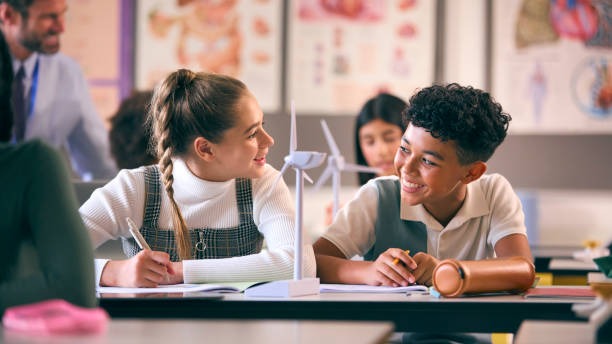
The essence of positive reinforcement lies in recognizing and celebrating achievements, no matter how small. When students receive acknowledgment for their efforts, it creates a ripple effect of motivation. A simple “great job” or a smile from a teacher can ignite a spark of enthusiasm, encouraging students to engage more deeply with their learning. This affirmation not only boosts their confidence but also cultivates a sense of belonging within the classroom, where every individual feels valued.
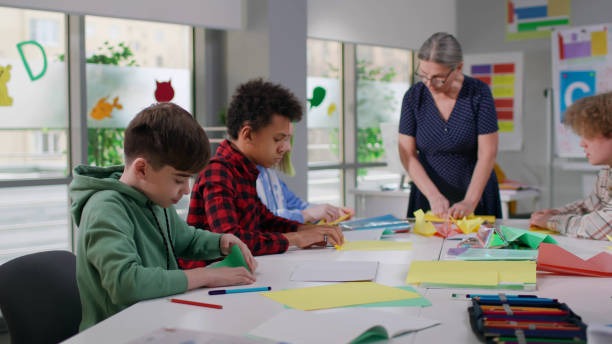
One of the most beautiful aspects of positive reinforcement is its versatility. It can be adapted to suit various learning styles and age groups. For younger students, tangible rewards such as stickers or praise may be effective. As students grow older, verbal recognition and constructive feedback often hold more significance. This adaptability allows educators to create a tailored approach, ensuring that each student feels acknowledged in a way that resonates with them personally.
Creating a positive learning environment is essential for student growth. When students feel safe and supported, they are more likely to take risks and explore new ideas. Positive reinforcement plays a crucial role in shaping this environment. By emphasizing strengths and encouraging perseverance, teachers can help students develop a growth mindset. This mindset, which focuses on the belief that abilities can be developed through dedication and hard work, empowers students to embrace challenges and view setbacks as opportunities for learning.
A nurturing classroom atmosphere not only enhances academic performance but also contributes to emotional well-being. When students are celebrated for their achievements, they experience a boost in self-esteem. This newfound confidence can lead to increased participation, improved social interactions, and a greater willingness to seek help when needed. In essence, positive reinforcement does not merely support academic growth; it lays the groundwork for holistic development, fostering emotional resilience and interpersonal skills.
The impact of positive reinforcement extends beyond the classroom walls. When students receive encouragement for their efforts, they begin to internalize this positivity. This shift in perspective can influence their interactions at home and in their communities. Students who feel recognized and valued are more likely to carry this mindset into their relationships, promoting kindness and empathy. In this way, positive reinforcement becomes a catalyst for not only individual growth but also a ripple effect that can uplift those around them.
Parents play a vital role in reinforcing this positive cycle. By celebrating their children’s successes and encouraging them to pursue their passions, parents can help solidify the lessons learned in the classroom. This partnership between home and school enhances the effectiveness of positive reinforcement, creating a consistent message that fosters growth. When parents and educators work in harmony, students experience a unified support system that empowers them to reach their full potential.
As we navigate the challenges of education, it is essential to remember that every student is unique. What works for one may not resonate with another. Therefore, it’s important to approach positive reinforcement with a sense of flexibility and creativity. Tailoring recognition to fit individual preferences can enhance its effectiveness. For some students, a quiet word of praise may hold more value than a public acknowledgment. Understanding these nuances allows educators and parents to connect with students on a deeper level, making the reinforcement feel genuine and meaningful.
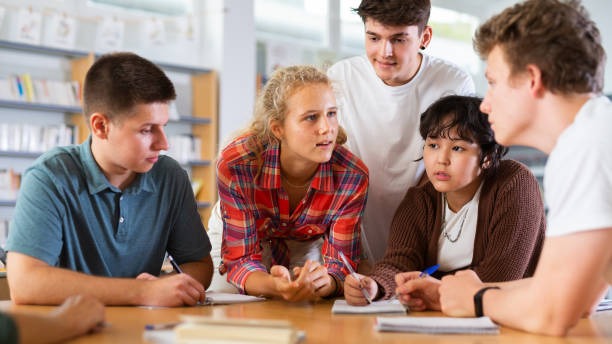
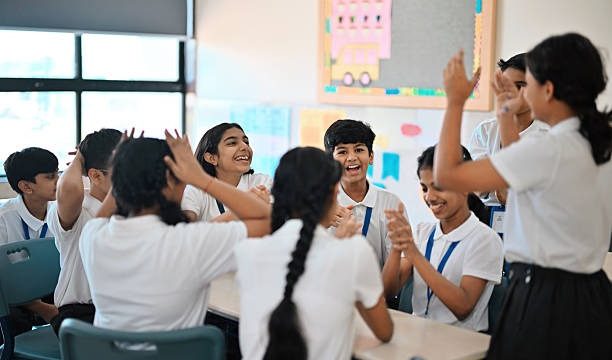
In addition to fostering individual growth, positive reinforcement can also strengthen classroom communities. When students celebrate each other’s successes, it creates a culture of collaboration and support. Peers become allies in the learning journey, cheering one another on and sharing in the joy of accomplishments. This sense of camaraderie not only enhances the learning experience but also prepares students for future interactions in diverse environments.
Incorporating positive reinforcement into daily routines doesn’t have to be a daunting task. Small, intentional gestures can make a significant difference. A simple acknowledgment of effort, a note of encouragement, or even a thoughtful conversation can reinforce a student’s sense of worth. These moments, while seemingly minor, contribute to a larger tapestry of support that nurtures growth and resilience.
As educators and parents, we are all on a journey to help students reach their potential. By embracing positive reinforcement as a guiding principle, we can create spaces where students feel empowered to explore, learn, and grow. This approach nurtures not only academic success but also emotional intelligence and social skills, preparing students for the complexities of life beyond the classroom.
In conclusion, the role of positive reinforcement in student growth cannot be overstated. It is a gentle reminder that every effort counts, and that recognition can be a powerful motivator. By celebrating achievements, fostering a supportive environment, and nurturing a growth mindset, we can help students flourish. As we invest in their development, we are not just shaping scholars; we are cultivating compassionate, resilient individuals ready to embrace the world with open hearts and minds.