In the vibrant world of education, students are not just learners; they are the leaders of tomorrow.
As the landscape of our society continues to evolve, the need for strong, compassionate leaders becomes ever more crucial.
Adopting leadership exercises in the classroom can foster skills that not only enhance academic performance but also prepare students for the challenges of the future. Here are some engaging exercises that can help students cultivate their leadership abilities in a supportive and collaborative environment.
A gentle introduction to leadership exercises can begin with group discussions. These discussions provide a safe space for students to express their thoughts and opinions on various topics, from current events to personal aspirations. By encouraging students to share their perspectives, they develop critical thinking skills and learn the importance of listening. This practice helps nurture empathy and respect for differing viewpoints, essential traits for any leader.
Incorporating role-playing scenarios can also be an effective way to engage students in leadership exercises. By stepping into the shoes of different characters, students can explore various aspects of leadership, such as decision-making, conflict resolution, and team dynamics. This immersive experience allows them to practice responding to real-world challenges in a controlled environment, enhancing their ability to think on their feet and adapt to unexpected situations.
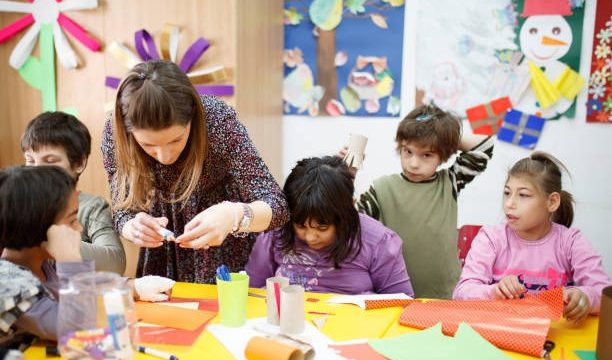
Another enriching exercise involves collaborative projects. These projects can range from community service initiatives to creative presentations. By working together, students learn to delegate tasks, communicate effectively, and support one another in achieving a common goal. This collaborative spirit fosters a sense of belonging and teaches students the value of teamwork, which is a cornerstone of effective leadership.
A small shift toward balance can be achieved through mindfulness practices integrated into leadership exercises. Mindfulness encourages students to be present, to focus on their thoughts and feelings without judgment. This awareness can enhance their emotional intelligence, a vital component of effective leadership. Simple practices like guided meditation or reflective journaling can help students cultivate a deeper understanding of themselves and their leadership styles, allowing them to lead with authenticity and confidence.
Encouraging students to take on leadership roles within their peer groups can be a transformative experience. Assigning roles such as facilitator, note-taker, or timekeeper during group activities empowers students to take charge and contribute meaningfully. By rotating these roles, every student has the opportunity to experience different facets of leadership, fostering a sense of responsibility and accountability for their actions and decisions.
Storytelling is another powerful tool for developing leadership skills. When students share personal stories or experiences, they not only connect with their peers on a deeper level but also practice articulating their thoughts and feelings. This exercise can enhance their public speaking skills and boost their confidence, vital attributes for any leader. Furthermore, hearing diverse stories fosters inclusivity and understanding, qualities that are essential in today’s interconnected world.
A nurturing environment for leadership development can also be fostered through peer feedback sessions. Creating a culture where students feel comfortable giving and receiving constructive feedback can significantly enhance their self-awareness and growth. Encouraging students to reflect on their strengths and areas for improvement helps them develop resilience and a growth mindset, traits that are crucial for effective leadership. This practice instills a sense of community and support, allowing students to learn from one another in a positive and encouraging atmosphere.
Incorporating service learning into the curriculum is another meaningful way to develop leadership skills. Engaging in community service not only allows students to give back but also provides them with opportunities to lead projects, organize events, and collaborate with diverse groups. This hands-on experience cultivates a sense of responsibility and social consciousness, essential qualities for future leaders. By understanding the impact of their actions on the community, students learn the importance of leading with purpose and integrity.
Creating a leadership journal can also be a simple yet effective exercise for students. This journal can serve as a space for them to reflect on their leadership experiences, challenges, and successes. Writing about their thoughts and feelings can enhance their self-awareness and help them articulate their leadership journey. Over time, these reflections can reveal patterns in their growth, allowing them to celebrate their progress and identify areas for further development.
As students engage in these exercises, it is essential to create an environment that nurtures their growth. Encouraging a culture of support, where students uplift one another and celebrate each other’s successes, can significantly enhance their leadership development. By fostering strong relationships among peers, students feel more confident to take risks and step outside their comfort zones, essential elements in the journey of becoming an effective leader.
Leadership is not a destination but a continuous journey of growth and self-discovery. By incorporating these gentle exercises into the classroom, educators can empower students to develop their leadership skills in a nurturing and supportive environment. As students explore their potential, they not only prepare themselves for future challenges but also contribute positively to their communities.
In conclusion, the classroom can be a fertile ground for cultivating the leaders of tomorrow. Through engaging exercises that promote collaboration, self-reflection, and community engagement, students can develop the skills necessary to navigate an ever-changing world. As they embark on this journey, they will not only learn how to lead but also how to inspire and uplift those around them, creating a brighter future for all.