Staying active is essential for physical health, mental clarity, and overall well-being.
While gyms and fitness studios provide structured environments for exercise, home-based movement routines offer flexibility, convenience, and a sense of comfort that allows anyone to incorporate regular activity into their lifestyle.
Enjoyable home routines can range from gentle stretches to full-body workouts, all designed to keep the body moving, improve energy levels, and support daily wellness. By selecting exercises that are engaging and adaptable, you can create a routine that becomes a natural and rewarding part of your day.
The key to a successful home movement routine is variety. Combining different types of exercise ensures a well-rounded approach to fitness and keeps the body challenged while preventing boredom. Strength exercises, cardiovascular activities, flexibility work, and balance training can all be incorporated into a single routine, offering comprehensive benefits. Strength exercises, such as squats, lunges, push-ups, and planks, improve muscle tone, support posture, and make daily tasks easier. Cardiovascular activities, like marching in place, step-touch movements, or dancing, enhance stamina, circulation, and heart health. Flexibility and stretching exercises maintain joint range of motion and reduce tension, while balance movements improve stability and coordination, making everyday movements safer and more efficient.
Bodyweight exercises are particularly effective for home routines because they require no equipment and can be easily modified for all fitness levels. Squats strengthen the lower body and core, supporting activities such as climbing stairs or lifting objects. Lunges enhance leg strength and balance, making functional movements smoother and safer. Push-ups develop upper body and core strength, while planks stabilize the trunk and improve posture. These exercises can be performed in short circuits, combining multiple movements into a single session to engage different muscle groups efficiently.
Cardio-focused movement routines can be made enjoyable through playful or rhythmic activities. Dancing to your favorite music, performing light aerobic sequences, or even following online movement videos provides cardiovascular benefits while keeping workouts fun and engaging. These activities not only improve heart health but also elevate mood and reduce stress, making movement a holistic part of daily wellness. Short, frequent sessions of ten to twenty minutes can be just as effective as longer workouts, allowing consistency without feeling overwhelming.
Flexibility and mobility exercises add an essential component to home routines. Gentle stretching, yoga flows, or dynamic movements maintain joint range of motion and relieve tension from prolonged sitting or repetitive tasks. Incorporating stretches for the shoulders, neck, back, hips, and legs enhances overall comfort and reduces the risk of stiffness or soreness. Flexibility work also complements strength and cardiovascular exercises, ensuring that the body moves efficiently and safely throughout daily activities.
Balance training is often overlooked but is a crucial part of movement routines at home. Simple exercises such as standing on one foot, side leg lifts, or heel-to-toe walking strengthen stabilizing muscles and improve coordination. Balance routines enhance confidence in daily movement, particularly for older adults or anyone recovering from injury. Including short balance exercises in a home routine contributes to functional fitness, helping with tasks such as bending, reaching, or stepping safely.
Creating a home movement routine also involves structuring exercises in a way that maximizes engagement and benefits. Starting with a brief warm-up, such as marching in place or gentle arm circles, prepares the body for activity. Following the warm-up with a mix of strength, cardio, flexibility, and balance exercises ensures a comprehensive approach. Concluding the session with cool-down stretches or breathing exercises promotes relaxation, recovery, and overall comfort. Even routines as short as fifteen minutes, when performed consistently, contribute significantly to health and well-being.
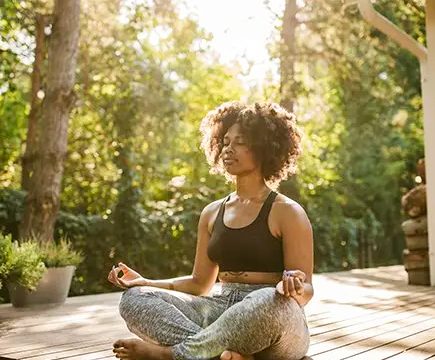
Incorporating mindfulness into home movement routines enhances both the physical and mental benefits of exercise. Paying attention to body alignment, controlled movements, and breathing patterns promotes efficiency and reduces the risk of injury. Mindful practice also supports mental clarity, reduces stress, and creates a sense of connection between the mind and body. Exercises such as yoga, tai chi, or mindful stretching provide both movement and relaxation, making routines enjoyable and restorative.
Home routines can be adapted for all ages and fitness levels. Beginners may start with basic movements and shorter sessions, gradually increasing duration, intensity, or complexity over time. Advanced individuals can incorporate resistance bands, light weights, or higher-intensity cardio sequences to challenge strength and endurance. This adaptability ensures that home movement routines remain engaging, effective, and suitable for anyone seeking to improve their wellness.
Family participation can make home movement routines even more enjoyable. Exercising together encourages motivation, accountability, and social connection. Children, adults, and older adults can engage in routines tailored to their abilities, creating a shared experience that strengthens relationships while promoting health. Family-friendly routines can include playful movements, mini challenges, or dance sessions, making exercise fun and inclusive for everyone.
Consistency is a cornerstone of home movement routines. Daily or regular practice ensures steady progress in strength, flexibility, balance, and cardiovascular health. Scheduling routines at convenient times, such as morning, midday, or evening, reinforces habit formation and makes it easier to stay committed. Short, manageable sessions are often more sustainable than longer, sporadic workouts, allowing movement to become a natural and enjoyable part of daily life.
Tracking progress adds an element of motivation to home routines. Recording exercises, repetitions, or durations provides tangible feedback and allows you to celebrate achievements. Recognizing improvements, whether in strength, balance, flexibility, or endurance, reinforces commitment and encourages continued participation. Tracking also helps identify areas for growth or adjustment, keeping routines effective and aligned with personal goals.
Home movement routines can also integrate functional exercises that support daily activities. Movements that mimic common tasks, such as lifting, bending, reaching, or carrying, improve overall strength and mobility in practical ways. Functional training not only builds fitness but also enhances the quality of everyday life, reducing fatigue and discomfort during routine activities. By focusing on movements that matter, home routines become both purposeful and enjoyable.
In addition to physical benefits, home movement routines support mental and emotional well-being. Regular activity reduces stress, improves mood, and enhances focus. Short sessions provide an opportunity to step away from work or household responsibilities, offering a break that refreshes both body and mind. Movement releases endorphins, boosts energy levels, and promotes a positive outlook, making routines rewarding beyond the physical results.
In conclusion, home movement routines offer a flexible, enjoyable, and effective way to maintain fitness and wellness. Combining strength exercises, cardiovascular activity, flexibility work, balance training, and mindful practice creates a comprehensive approach that supports both physical and mental health. By designing routines that are adaptable, fun, and consistent, you can make movement a regular and rewarding part of your daily life.
Engaging in enjoyable home routines allows you to take control of your health without relying on gyms or specialized equipment. These routines are accessible for all ages and fitness levels, providing an opportunity to build strength, improve mobility, enhance cardiovascular health, and support mental well-being. By committing to regular movement at home, you can cultivate a healthier, more energetic lifestyle that is both practical and sustainable, making wellness an enjoyable part of every day.