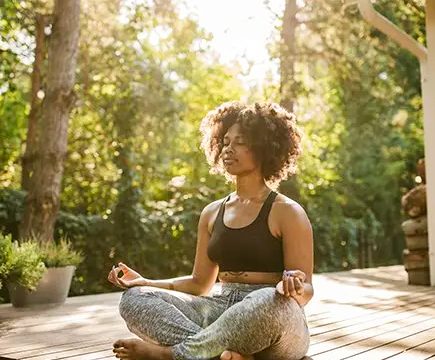
Fitness does not have to be extreme or rushed to be effective.
In fact, gentle, consistent effort often produces the most lasting results.
Home workouts for gentle progress provide a way to strengthen your body, improve flexibility, and support overall wellness without overwhelming your schedule or your energy levels. These workouts focus on mindful movement, steady improvement, and sustainable habits, allowing you to build strength and confidence over time while honoring your body’s natural pace.
One of the most accessible approaches to gentle home workouts is bodyweight exercises. Movements such as squats, lunges, glute bridges, and modified push-ups engage major muscle groups while requiring no equipment. These exercises can be adapted to match your fitness level, whether you are just starting out or looking to maintain strength. By prioritizing controlled movement over speed or intensity, you reduce the risk of strain and allow your muscles and joints to adapt safely. Over time, consistent practice results in increased strength and a sense of accomplishment.
Core exercises are essential in supporting posture, stability, and functional movement. Simple moves such as planks, seated twists, standing side bends, and bridges strengthen the abdominal and lower back muscles, improving balance and control. Gentle repetition and slow, deliberate engagement of these muscles ensure that your core develops without unnecessary stress. A strong core not only enhances daily activities but also builds confidence, as you begin to feel more capable and stable in your movements.
Flexibility and mobility work are critical components of gentle home workouts. Stretching tight muscles in the shoulders, back, hips, and legs improves range of motion and reduces stiffness. Yoga-inspired stretches or dynamic mobility exercises help maintain joint health while promoting relaxation and mental focus. These movements complement strength exercises and contribute to a more balanced and resilient body. Practicing flexibility gradually allows your body to become more comfortable and agile over time, supporting long-term progress.
Short, manageable circuits can be used to combine multiple types of movement in a single session. For example, a gentle sequence of squats, bridges, seated arm raises, and step-ups can target the entire body in just fifteen to twenty minutes. Circuits keep workouts efficient, engaging, and structured while allowing you to progress at your own pace. Completing a circuit provides a sense of accomplishment and reinforces the habit of consistent movement, which is the foundation of lasting progress.
Cardiovascular activity can also be incorporated in a gentle, low-impact way. Marching in place, step-ups, light dancing, or slow jogging indoors can elevate heart rate and circulation without causing discomfort. Short, controlled bursts of cardio enhance endurance and energy levels while complementing strength and flexibility exercises. By keeping the intensity moderate, you maintain motivation and ensure that each session is enjoyable rather than intimidating.
Mindful movement enhances the effectiveness of home workouts for gentle progress. Paying attention to posture, breathing, and muscle engagement allows each exercise to be performed safely and efficiently. Coordinating breath with movement helps maintain energy, reduces tension, and supports focus. Mindfulness transforms simple exercises into a holistic practice, strengthening both the body and the mind. It also encourages you to appreciate your progress, no matter how gradual, fostering a positive relationship with your fitness routine.
Enjoyment is a key factor in sustaining gentle home workouts. Incorporating music, guided videos, or creative movement sequences makes exercise engaging and fun. Trying new exercises or adjusting sequences keeps routines fresh and motivates continued participation. When workouts are enjoyable, they become a positive part of your day rather than a task to complete, making it easier to stay consistent and embrace gradual improvement.
Tracking progress, even in small ways, reinforces motivation and confidence. Recording the number of repetitions, duration of holds, or improvements in flexibility provides tangible evidence of growth. Recognizing subtle improvements, such as holding a plank longer or performing a smoother lunge, boosts morale and highlights the value of consistent effort. Progress tracking also helps you identify areas for adjustment, ensuring that workouts remain effective and aligned with your goals.
Consistency is more important than intensity when it comes to gentle progress. Short, daily sessions can yield significant improvements over time. Even ten to twenty minutes of mindful exercise every day builds strength, enhances flexibility, and supports cardiovascular health. By establishing a routine that fits seamlessly into your life, you create habits that are sustainable and rewarding, allowing for steady growth without pressure or stress.
Balance exercises further support gentle progress by improving stability and coordination. Standing on one leg, side leg lifts, and heel-to-toe walking strengthen stabilizing muscles and enhance functional movement. Balance training complements core and lower body exercises, making daily activities easier and reducing the risk of falls or injury. Feeling stable and in control during movement increases confidence and reinforces the benefits of consistent practice.
Rest and recovery are essential for maintaining gentle progress. Allowing your muscles to repair between sessions prevents fatigue and supports gradual improvement. Gentle stretching, light mobility exercises, or restorative movements on rest days promote circulation and flexibility without overexertion. Prioritizing recovery ensures that your body can continue to adapt and grow stronger while reducing the risk of injury or burnout.
Nutrition and hydration play a supportive role in gentle home workouts. Drinking adequate water and consuming balanced meals provide the energy required for consistent practice and effective recovery. Proper nourishment enhances muscle function, supports energy levels, and contributes to overall wellness. Combining mindful eating habits with consistent movement ensures that your gentle approach to fitness produces tangible benefits for both body and mind.
Social support can enhance motivation without adding pressure. Sharing your progress with friends or family, participating in online communities, or following guided sessions offers encouragement and accountability. Positive reinforcement from others can help maintain consistency and make the experience more enjoyable. Feeling connected and supported increases the likelihood of sustaining a routine that promotes steady improvement over time.
In conclusion, home workouts for gentle progress provide a safe, effective, and sustainable way to improve strength, flexibility, and overall wellness. Bodyweight exercises, core and balance work, cardio, and mobility training create a comprehensive routine that supports gradual improvement. Mindful practice, enjoyment, consistency, progress tracking, and attention to recovery and nutrition enhance the benefits, ensuring that your efforts are rewarding and lasting.
By committing to gentle, intentional home workouts, you can cultivate strength, stability, and confidence without pressure or stress. Small, consistent steps create meaningful change over time, allowing you to experience improvements in physical fitness, energy, and mental well-being. This approach emphasizes patience, self-care, and sustainable growth, proving that steady effort and mindful practice are the most effective paths to long-term wellness.