In a world filled with constant demands and distractions, finding true peace can often feel like an elusive goal.
Whether it’s the pressures of work, relationships, or the flood of information from the digital world, peace can sometimes seem out of reach.
However, one powerful tool that has been used for thousands of years to cultivate inner tranquility is yoga. While many associate yoga with physical fitness or flexibility, its deeper practice is rooted in mindfulness, meditation, and breathing techniques that help calm the mind and foster sustainable peace.
Sustainable peace is not a fleeting moment of calm that disappears as soon as the stresses of life return. Rather, it is a lasting sense of harmony and balance that remains within us, no matter what external circumstances arise. Yoga offers a path toward achieving this kind of peace by encouraging us to reconnect with our inner selves, embrace the present moment, and cultivate a sense of acceptance. Through the integration of physical movement, mindful breathing, and meditation, yoga can serve as a steady anchor, grounding us in a space of calm that extends beyond the mat.
One of the foundational practices in yoga that contributes to sustainable peace is mindful breathing, also known as pranayama. Breath is the most immediate and effective way to influence the nervous system. When we are stressed or anxious, our breath tends to become shallow and rapid, which triggers the body’s fight-or-flight response. Conversely, slow, deep, and intentional breathing activates the parasympathetic nervous system, which promotes relaxation and a sense of calm.
Pranayama, which translates to “control of breath,” includes various breathing techniques that help regulate the breath, calm the mind, and enhance overall well-being. A simple yet powerful pranayama practice is deep belly breathing, where you focus on inhaling deeply into your abdomen and exhaling slowly. This practice helps to activate the diaphragm and create space in the body, allowing for a more relaxed state. By regularly incorporating mindful breathing into your yoga practice, you not only enhance your physical flexibility but also cultivate mental clarity and emotional stability, both of which are essential for lasting peace.
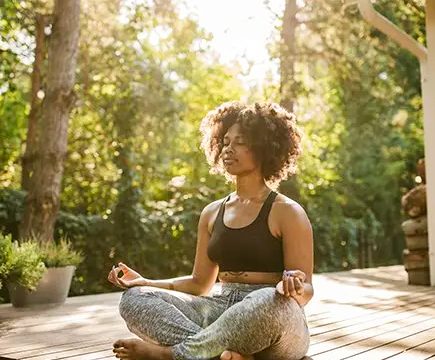
Another yoga practice that contributes to sustainable peace is meditation. Meditation in yoga is more than just a quiet sitting session; it is a mental training tool that allows you to cultivate awareness and mindfulness. One of the main purposes of meditation is to quiet the constant chatter of the mind, which can often create stress, worry, and confusion. When the mind is calm and focused, peace naturally arises.
A simple form of meditation that can easily be integrated into any yoga practice is guided meditation. In this practice, the teacher or practitioner provides instructions that help direct the mind’s attention. For example, you might focus on your breath, repeat a calming mantra, or visualize a peaceful scene. By allowing your attention to be gently guided, you can begin to let go of the thoughts and distractions that often pull you away from the present moment. As you practice regularly, you may begin to notice that this sense of calm and clarity starts to extend into your daily life, helping you respond to challenges with more equanimity and less stress.
While meditation is often practiced in stillness, yoga asanas (the physical postures) also play a crucial role in creating peace. Yoga poses are designed to open the body, release tension, and promote a sense of well-being. When we are physically tense, it can be difficult to find mental peace, as discomfort and distraction may dominate our experience. Asanas help release built-up tension in the body and create space for mental clarity.
Postures like Child’s Pose (Balasana), Downward-Facing Dog (Adho Mukha Svanasana), and Seated Forward Fold (Paschimottanasana) are particularly effective for creating a sense of relaxation and grounding. These poses gently stretch the back, neck, and legs, easing physical tension while allowing the practitioner to focus on their breath and bring attention inward. By holding each pose mindfully and focusing on the breath, you create a meditative state, enhancing the peaceful effects of the practice.
One of the most effective tools in yoga for fostering peace is the practice of mindfulness. Mindfulness is the art of being fully present in the moment, without judgment. It means observing your thoughts, sensations, and emotions as they arise, without getting caught up in them or reacting impulsively. When you practice mindfulness during your yoga session, you allow yourself to experience each moment fully—whether it’s the sensation of stretching, the sound of your breath, or the feeling of being grounded in a pose.
Mindfulness in yoga helps to cultivate an awareness of the present moment, making it easier to let go of past regrets or future anxieties. It encourages acceptance of whatever is happening in the here and now, without resistance. This acceptance is key to creating peace, as it allows you to release the need for perfection and control. Instead of striving to achieve something, you can simply allow yourself to be, just as you are, in the present moment.
In addition to mindfulness, the practice of self-compassion is another vital aspect of cultivating sustainable peace through yoga. Yoga encourages us to treat ourselves with kindness and patience, recognizing that our practice is a journey rather than a destination. It can be easy to become frustrated when we cannot immediately achieve a pose or when we feel distracted during meditation. However, yoga teaches us to embrace our imperfections and approach ourselves with loving-kindness.
Self-compassion in yoga involves being gentle with yourself, accepting where you are in the moment, and letting go of self-criticism. This compassionate attitude extends beyond the yoga mat and into everyday life. When we are kind to ourselves, we are less likely to be overwhelmed by stress, and we can face challenges with greater resilience. This self-compassionate mindset creates a foundation for peace, as it allows us to be more accepting of ourselves and the world around us.
The practice of yoga also emphasizes letting go of attachment. In many spiritual traditions, attachment to things, people, or outcomes is seen as a source of suffering. When we attach ourselves to expectations, we create a sense of frustration when things do not go as planned. Yoga encourages us to cultivate an attitude of non-attachment—where we can enjoy life fully without clinging to specific outcomes. This practice helps us maintain peace, even when things do not unfold the way we expect.
One powerful yoga practice that embodies non-attachment is Savasana (Corpse Pose). Savasana is typically practiced at the end of a yoga session, where the practitioner lies on their back, fully relaxed, and simply allows the body and mind to rest. This pose symbolizes the ultimate release and surrender—letting go of all expectations, striving, and doing. In this moment of stillness, peace naturally arises, providing the perfect conclusion to a yoga practice.
While the physical postures of yoga are important, it is ultimately the combination of breath, meditation, mindfulness, self-compassion, and non-attachment that creates sustainable peace. Yoga provides a holistic approach to peace that nurtures the mind, body, and spirit, helping us find balance amid the noise and chaos of daily life.
In conclusion, yoga offers a powerful and sustainable way to cultivate peace. By incorporating mindful breathing, meditation, asanas, and mindfulness into your practice, you can create a deep sense of inner tranquility that will support you through life’s challenges. Yoga’s focus on self-compassion and non-attachment helps to reduce stress and build resilience, allowing peace to be a lasting presence in your life. Whether you’re seeking to find peace in your yoga practice or bring more calm into your everyday life, yoga provides a timeless and accessible path to sustainable peace.