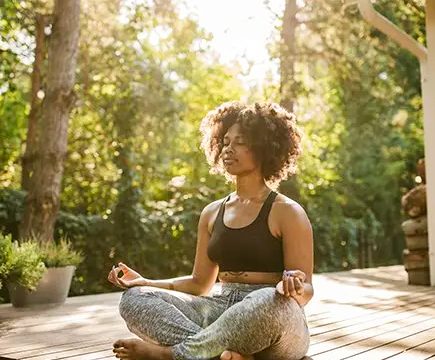
In today’s fast-paced world, finding a sense of inner harmony can seem like a distant goal.
Between the demands of work, family, and the constant influx of information, it’s easy to feel overwhelmed and disconnected from ourselves.
However, mindful movements can be a powerful tool to help restore balance and cultivate peace within. By focusing on the present moment and engaging in intentional movement, we can tap into a deep sense of calm, clarity, and inner harmony. This practice of mindful movement is accessible to anyone, regardless of age, ability, or experience, and it offers a simple yet effective way to reconnect with the body, mind, and spirit.
At its core, mindful movement involves being fully present with each movement of the body, paying attention to the sensations, rhythms, and feelings that arise in the process. It is a practice of slowing down and tuning into the body’s natural flow, creating an opportunity to release tension, calm the mind, and restore balance. Whether through yoga, tai chi, dance, or simple stretching, mindful movement invites us to move with intention, rather than rushing through motions or disconnecting from our bodies.
One of the key elements of mindful movement is conscious breathing. The breath serves as a bridge between the mind and the body, helping to anchor us in the present moment. By pairing movement with deep, slow breathing, we can activate the parasympathetic nervous system, which calms the body and reduces stress. This connection between breath and movement can create a harmonious flow that encourages relaxation and mindfulness. The practice of deep breathing also helps release mental clutter, allowing us to quiet the mind and enter a state of calm awareness.
A simple example of mindful movement can be found in yoga. In a yoga practice, each posture is held with awareness, and movement is often synchronized with the breath. For instance, as you inhale, you may extend your arms above your head, and as you exhale, you may gently fold forward, bringing your hands to the mat. This rhythmic flow of breath and movement allows you to remain present in each posture, rather than rushing through it or thinking about what comes next. Yoga encourages you to listen to your body and move in a way that feels good, rather than striving for a specific result or outcome. This sense of ease and acceptance can lead to a greater sense of inner harmony, as you cultivate a more balanced relationship with yourself.
Tai Chi, another form of mindful movement, is often referred to as “meditation in motion.” This ancient practice combines slow, deliberate movements with focused breathing, and it is often described as a moving meditation. Tai Chi’s gentle, flowing motions promote relaxation, improve balance, and enhance the body’s overall energy flow. The practice encourages practitioners to focus on each movement with intention, cultivating a sense of inner peace and harmony. As you practice Tai Chi, you become more aware of your body’s sensations and learn to move with grace and fluidity, rather than force or tension.
Dance is yet another form of mindful movement that can foster inner harmony. Unlike structured or competitive forms of dance, mindful dance focuses on free expression and personal connection to the body. It encourages individuals to move in a way that feels natural and enjoyable, without judgment or expectation. Through mindful dance, you can explore the rhythm of your body, express emotions, and release any pent-up energy or stress. The act of moving freely to music can be deeply therapeutic, allowing you to let go of worries and tune into the present moment. Dance can also be a powerful tool for self-discovery, helping you reconnect with your body and emotions in a positive, uplifting way.
Mindful movement doesn’t always require a formal practice, such as yoga or Tai Chi. It can be as simple as taking a few moments each day to stretch, walk, or engage in any other movement that feels good to you. The key is to be present and mindful as you move, paying attention to how your body feels and how each movement affects your mind and emotions. For example, when going for a walk, try to focus on the sensations of your feet touching the ground, the rhythm of your breath, and the sights and sounds around you. This practice of walking with intention can turn an everyday activity into a mindful experience, helping to bring a sense of calm and balance to your day.
One of the most significant benefits of mindful movement is its ability to reduce stress. When we are stressed, the body often holds tension in areas like the shoulders, neck, and back. Mindful movement helps release this tension by encouraging us to move slowly and consciously. As we pay attention to the body’s sensations and breathe deeply, we can let go of the physical and emotional tension that accumulates throughout the day. Over time, this practice can help reduce chronic stress and promote a greater sense of ease and relaxation.
Another important aspect of mindful movement is its ability to improve body awareness. In our daily lives, we may become disconnected from our bodies, ignoring signals of discomfort or fatigue until they become more pronounced. Mindful movement invites us to listen to our bodies and respond with care and compassion. As you move with intention, you may notice areas of tightness or discomfort that you weren’t aware of before. By tuning into these sensations, you can learn to address imbalances in the body and prevent injury. This heightened awareness can also help you develop a more positive relationship with your body, fostering greater self-acceptance and compassion.
In addition to its physical benefits, mindful movement can also improve mental clarity and emotional well-being. When we practice mindfulness, we cultivate the ability to be present with whatever arises, without judgment or resistance. This mindset can help us approach our emotions with more openness and acceptance, allowing us to process feelings in a healthy, constructive way. By practicing mindful movement regularly, we can build resilience and emotional balance, making it easier to navigate the challenges of daily life with greater calm and composure.
Incorporating mindful movement into your daily routine doesn’t have to be time-consuming or complicated. Even a few minutes of mindful stretching or breathing can make a significant difference in how you feel. The key is to approach each movement with intention and mindfulness, staying present with your body and breath. Whether you choose yoga, Tai Chi, dance, or simply a quiet walk, mindful movement offers a powerful way to create inner harmony, reduce stress, and reconnect with yourself. By making mindful movement a regular practice, you can cultivate a greater sense of peace, clarity, and balance that will positively impact all areas of your life.