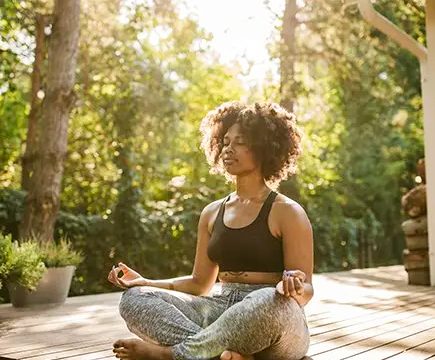
In our modern world, where life often feels fast-paced and demanding, finding ways to make daily movements feel easier and more fluid is invaluable.
Whether it’s bending down to tie your shoes, reaching for something on a high shelf, or simply getting out of bed in the morning, the way our bodies move throughout the day plays a significant role in our overall well-being.
One of the best ways to encourage ease in everyday movements is by incorporating Pilates into your routine. Pilates, a system of exercises that emphasizes core strength, flexibility, and mindful movement, is a powerful tool for improving how your body feels and functions day in and day out.
At its core, Pilates focuses on improving strength and flexibility while also fostering a deeper connection between the body and mind. Developed by Joseph Pilates in the early 20th century, this exercise method uses controlled movements to engage muscles in a balanced way, which can help reduce strain and tension in the body. It is especially known for its ability to enhance core strength, which is crucial for maintaining proper posture and alignment throughout all activities, both during exercise and in everyday life.
The core is much more than just the abdominal muscles—it includes the muscles of the back, pelvis, and hips, which work together to support the spine and provide stability. When these muscles are strong and engaged, it becomes easier to move with fluidity and grace. Pilates helps to strengthen the core through exercises that target these areas, ensuring that your body has a solid foundation for all kinds of movements. A strong core not only helps to reduce the risk of injury but also supports ease of movement, whether you’re lifting, twisting, or even sitting for long periods.
Incorporating Pilates into your routine can have a profound impact on your overall posture, which directly affects how easy or difficult everyday movements can feel. Many people spend hours sitting at desks or in front of screens, which can lead to poor posture and misalignment of the spine. Over time, this can cause discomfort and stiffness, especially in the shoulders, neck, and lower back. Pilates exercises focus on improving posture by promoting proper alignment and strengthening the muscles that support the spine. With consistent practice, Pilates can help reverse the effects of poor posture, making it easier to move with less tension and discomfort throughout the day.
Another key aspect of Pilates is its emphasis on breathing. The way we breathe can have a significant impact on how our body feels and functions. Shallow, rapid breathing can contribute to stress and tension, while deep, controlled breathing can help to relax the body and promote a sense of calm. In Pilates, the breath is synchronized with movement, which encourages a smooth, controlled flow. This mindful approach to breathing not only enhances the quality of the exercises but also helps to reduce stress, increase oxygen flow to the muscles, and improve overall relaxation. By practicing mindful breathing in Pilates, you can create a sense of ease and calm that carries over into your daily life.
Pilates is also highly effective for improving flexibility. Many of us lead sedentary lives or engage in repetitive activities that can cause tightness in the muscles. Over time, this tightness can lead to restricted movement and discomfort, making even simple tasks feel more challenging. Pilates exercises incorporate both stretching and strengthening, targeting muscles that are often neglected in other forms of exercise. Stretching and lengthening the muscles help to increase flexibility and range of motion, which in turn allows for more freedom of movement. Regular Pilates practice can loosen up tight muscles, making everyday activities feel more comfortable and less taxing on the body.
One of the most beneficial aspects of Pilates is its focus on controlled movement. In many forms of exercise, there is an emphasis on speed or intensity, which can sometimes lead to injury or strain if the body is not properly aligned. Pilates, on the other hand, encourages slow, deliberate movements that are designed to be precise and purposeful. This controlled approach allows you to focus on proper technique and alignment, which helps to build strength and flexibility safely. By moving mindfully, you not only protect your body from unnecessary strain but also train it to move more efficiently. This is particularly valuable for everyday tasks that require lifting, bending, or twisting, as Pilates helps to ensure that your body moves with proper alignment and minimal effort.
Pilates is adaptable and can be tailored to suit individual needs and abilities. Whether you are a beginner or an advanced practitioner, the exercises can be modified to meet your specific goals. For example, if you’re new to Pilates, you can start with basic mat exercises and gradually progress to more challenging movements. For those who have more experience, Pilates can be performed with equipment like the reformer, which adds resistance to further enhance strength and flexibility. No matter your fitness level, Pilates offers a practice that can be adjusted to suit your body’s needs, making it a great option for people of all ages and abilities.
One of the most exciting aspects of Pilates is that it doesn’t require a lot of equipment or space. While specialized Pilates equipment like the reformer and Cadillac can be found in some studios, many Pilates exercises can be done using just a mat. This makes it easy to practice Pilates at home, even if you have a busy schedule or limited access to a gym. A simple mat and comfortable clothing are all you need to get started, and there are countless online resources available to guide you through your practice. With just a few minutes each day, you can experience the benefits of Pilates, helping your body feel more aligned, balanced, and ready for whatever comes your way.
One of the long-term benefits of Pilates is its ability to help you maintain mobility as you age. As we get older, it becomes even more important to stay active and maintain a strong, flexible body. Pilates is gentle on the joints while still providing an effective workout, making it ideal for older adults who want to maintain their physical health. The exercises focus on improving balance, coordination, and strength, which are essential for preventing falls and maintaining independence. By incorporating Pilates into a weekly routine, you can improve mobility, increase energy, and enjoy a higher quality of life as you age.
In addition to the physical benefits, Pilates also offers mental clarity. The focus on mindfulness and breathing not only calms the body but also clears the mind. In a world full of distractions and constant stimulation, Pilates provides an opportunity to focus on the present moment. This mindful approach to movement helps to reduce mental clutter, promote relaxation, and improve focus. Over time, you may find that Pilates not only improves your body but also enhances your ability to stay calm and centered throughout the day.
In conclusion, Pilates is a powerful practice that can enhance the quality of every movement you make, both in and out of the gym. By strengthening the core, improving flexibility, promoting proper posture, and encouraging mindful movement, Pilates makes it easier to move through everyday tasks with ease and comfort. Whether you’re lifting groceries, playing with your kids, or simply getting out of bed, Pilates equips your body to move efficiently and without strain. It is a practice that supports physical strength, mental clarity, and overall well-being, helping you to feel more connected to your body and more at ease in your daily life. Incorporating Pilates into your routine, even for just a few minutes each day, can help you cultivate a sense of balance and fluidity in everything you do, making it an invaluable tool for improving both your health and your quality of life.