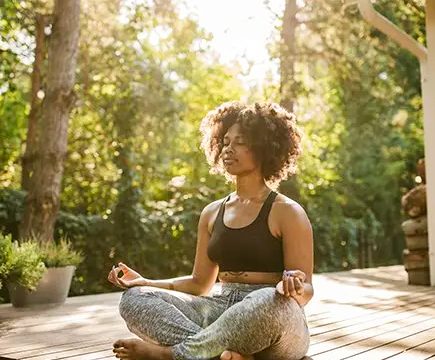
In a world that is often filled with distractions, stress, and external pressures, finding a practice that empowers both the body and mind can be life-changing.
Pilates, a low-impact form of exercise that focuses on strengthening the core, improving flexibility, and promoting body awareness, is one such practice that offers a profound sense of empowerment through movement.
By cultivating a deeper connection with our bodies, Pilates helps us feel more in control of our physicality, enabling us to approach life’s challenges with a renewed sense of confidence and strength.
Pilates was developed by Joseph Pilates in the early 20th century, with the goal of creating a system that strengthened the body while promoting balance and alignment. He believed that physical strength was intimately connected to mental clarity and emotional well-being. His system encourages participants to engage in controlled, mindful movements that challenge the body in both strength and flexibility. Over time, Pilates has become a popular practice worldwide, praised for its ability to improve posture, increase muscle tone, and enhance body awareness. Most importantly, Pilates has become a powerful tool for many who seek to feel empowered through movement.
A fundamental principle of Pilates is the idea of control. The practice emphasizes conscious, deliberate movement, focusing on engaging specific muscle groups at the right time, rather than relying on momentum or brute force. This attention to control allows practitioners to feel more connected to their bodies, which, in turn, fosters a sense of confidence and empowerment. When we move with intention, we gain greater awareness of how our bodies work, and we begin to understand how we can unlock greater strength and flexibility. This increased awareness brings a sense of mastery and accomplishment that is deeply empowering.
One of the primary benefits of Pilates is its ability to strengthen the core muscles, which are crucial for maintaining posture, balance, and stability. The core includes not only the abdominals but also the muscles of the back, hips, and pelvis. These muscles support the spine and provide a solid foundation for nearly every movement we make. Pilates exercises, such as the “hundred,” “plank,” and “roll-up,” target the core, helping to build strength and endurance. By developing a strong core, you are not only enhancing your physical abilities but also gaining the mental focus required to execute precise movements. As your core strength improves, so does your overall stability, which translates into greater ease and confidence in everyday movements. The sense of power that comes from a well-engaged core can be truly transformative, both physically and emotionally.
Pilates also encourages a strong mind-body connection, where movement and breath are inextricably linked. Breath is a key component of Pilates, and practitioners are taught to focus on deep, diaphragmatic breathing throughout the practice. Breathing deeply and intentionally helps to activate the deep muscles of the core and promotes relaxation. It also allows you to release tension and clear the mind, making it easier to focus on the present moment. The rhythm of the breath paired with fluid, controlled movement creates a sense of harmony that reinforces the feeling of empowerment. When we breathe consciously and move with purpose, we begin to feel more in control of our bodies, and that sense of control extends beyond the mat and into our daily lives.
The mindfulness inherent in Pilates is another powerful aspect of the practice that fosters empowerment. Pilates requires focus and concentration. During each movement, you are asked to pay attention to your body’s alignment, muscle engagement, and breath. This level of focus builds mental clarity and discipline, which can be applied to other areas of life. As you practice Pilates, you begin to experience a greater sense of presence in your body, which helps reduce the mental clutter that can often hold us back. With regular practice, Pilates teaches you to silence distractions and listen to what your body needs, which not only strengthens the body but also empowers the mind.
Another way Pilates contributes to a feeling of empowerment is by increasing flexibility. Tight muscles can restrict movement and create feelings of stiffness or discomfort. Pilates includes stretches that target the spine, hips, and shoulders, improving flexibility and releasing tension. When your body feels more flexible, you can move more freely and comfortably, which fosters a sense of lightness and ease. This improved flexibility also enhances your range of motion, making everyday activities such as bending, reaching, or twisting feel more fluid and effortless. As your flexibility improves, you may begin to notice a shift in how you carry yourself, with more fluidity and grace in your movements. This can have a profound impact on how you feel about your body and its abilities, increasing your overall sense of empowerment.
The holistic nature of Pilates is another reason why it is such an empowering practice. Unlike some forms of exercise that focus solely on physical appearance or performance, Pilates emphasizes overall well-being—strength, flexibility, balance, and body awareness. It encourages a deeper connection to the body, where the goal is not just to achieve external results but to cultivate a greater understanding of your body’s potential. Pilates teaches you to appreciate what your body can do, rather than focusing on what it looks like. This shift in perspective helps to foster a sense of self-empowerment that comes from within, rather than from external validation.
Pilates is also adaptable to people of all fitness levels. Whether you’re a beginner or an experienced practitioner, Pilates exercises can be modified to suit your needs and abilities. This makes the practice accessible to everyone, regardless of age or fitness level. The ability to modify exercises ensures that you can challenge yourself at your own pace, building strength and endurance gradually. As you progress, you’ll find that your body becomes more capable, and you’ll feel increasingly empowered by your own growth and development. The sense of achievement that comes with mastering new movements or improving your flexibility is incredibly empowering and reinforces the idea that your body is capable of far more than you may have initially realized.
For many people, Pilates becomes more than just a form of exercise; it becomes a way of life. The confidence and strength gained through Pilates carry over into other areas of life, enhancing overall well-being and self-esteem. Whether you’re tackling a challenging work project, handling a stressful situation, or simply going through your daily routine, the empowerment gained from Pilates can help you approach life with greater resilience and poise. Pilates helps to cultivate not only physical strength but also mental fortitude, making it a truly holistic practice that empowers both the body and the mind.
In conclusion, Pilates is a practice that can help you feel empowered through movement by increasing strength, flexibility, body awareness, and mental focus. By building a strong core, improving posture, and fostering a mind-body connection, Pilates encourages you to take control of your body and, by extension, your life. Whether you’re seeking to enhance athletic performance, alleviate tension, or simply feel more confident in your own skin, Pilates offers a pathway to empowerment that extends far beyond the mat. Through regular practice, you can unlock your body’s full potential and experience the profound sense of strength and empowerment that comes from moving with intention and purpose.