In a world where we’re often faced with choices that prioritize convenience over health, it’s easy to forget how crucial healthy movement is for our overall well-being.
We spend hours sitting at desks, commuting, and engaging in repetitive motions that, over time, can lead to stiffness, discomfort, and even injury.
But what if we could incorporate movement into our daily lives that not only promotes flexibility and strength but also helps us make healthier movement choices throughout our routines? That’s where Pilates comes in. Pilates is a unique exercise method that encourages conscious, mindful movement, offering us the opportunity to make healthier choices for our bodies and minds.
At its core, Pilates is all about fostering awareness in how we move. Developed by Joseph Pilates in the early 20th century, this method emphasizes controlled movements that engage the muscles and the mind. The focus is on quality over quantity, ensuring that each movement is deliberate and effective. One of the key goals of Pilates is to teach us how to move with proper alignment, which reduces the risk of injury and helps prevent the strain that often comes with poor posture or inefficient movement patterns. Pilates isn’t just about building strength; it’s about learning to move more consciously, making it an ideal practice for encouraging healthy movement choices.
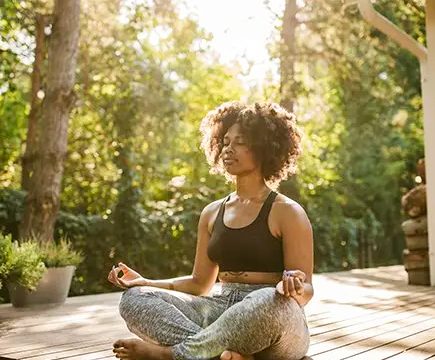
One of the standout features of Pilates is its emphasis on the mind-body connection. Unlike many forms of exercise that focus primarily on the physical, Pilates integrates breathwork and mental focus into every movement. As you perform Pilates exercises, you’re encouraged to engage with each motion by paying attention to how your body feels, ensuring that your movements are fluid and aligned. This mindfulness helps create a deeper connection to your body and allows you to become more attuned to the subtle cues that your body gives you. By practicing Pilates regularly, you may begin to notice how you move throughout your day—whether it’s walking, lifting, or even sitting—and start making more conscious, healthy choices in all aspects of your life.
One of the primary benefits of Pilates is that it strengthens the muscles that support your spine and joints, improving posture and promoting balance. Many of us unknowingly develop habits that compromise our posture, such as slouching while sitting or rounding our shoulders while standing. Over time, these poor postural habits can lead to chronic pain or injury. Pilates works to correct these imbalances by targeting the muscles that are responsible for supporting good posture. A strong, aligned spine and improved posture not only reduce discomfort but also make it easier to move efficiently and comfortably in everyday life.
By incorporating Pilates into your routine, you can start to recondition your body and make healthier movement choices. For example, Pilates exercises strengthen the muscles of the core—the group of muscles that includes the abdominals, lower back, and pelvic region—which are essential for stabilizing the body and supporting the spine. When your core is strong, you’re better able to perform everyday movements like lifting, bending, and twisting without putting unnecessary strain on your back or joints. Pilates teaches you to engage your core during all movements, which improves your awareness of how you move and encourages a more mindful approach to physical activity.
Another key benefit of Pilates is that it enhances flexibility, which is crucial for maintaining healthy movement patterns. Tight muscles and stiff joints can make everyday activities, such as reaching for something on a high shelf or bending down to tie your shoes, more challenging and uncomfortable. Pilates incorporates a combination of strengthening and stretching exercises that increase flexibility and improve range of motion. By maintaining or improving flexibility, you can reduce the risk of injury and perform movements with greater ease and fluidity.
The low-impact nature of Pilates also makes it an excellent choice for people of all fitness levels, including those who are recovering from injury or dealing with chronic pain. Unlike high-impact exercises that can place stress on the joints, Pilates focuses on controlled movements that are gentle on the body while still providing an effective workout. For people with joint pain, arthritis, or those who are rehabbing an injury, Pilates offers a safe way to stay active and rebuild strength without exacerbating existing issues. In fact, many people find that regular Pilates practice helps alleviate pain and stiffness by improving joint mobility and muscle balance.
In addition to its physical benefits, Pilates also offers a range of mental benefits that promote healthy movement choices. The practice encourages mindfulness, which can help reduce stress and promote relaxation. In today’s world, we’re constantly on the go, and it’s easy to get caught up in the rush of everyday life. Pilates provides a space to slow down, focus on your breath, and reconnect with your body. This mental clarity can extend beyond your Pilates session, influencing how you approach movement throughout the rest of your day. You may find yourself making more mindful decisions about how you sit, stand, or move, paying attention to the alignment of your body and choosing movements that feel good and support your well-being.
Pilates also helps to improve body awareness, which is crucial for making healthier movement choices. Many of us are unaware of the habits or patterns that may be causing us harm. For example, you might not realize that you’re slouching or that you’re not engaging your core while lifting something. Pilates helps you tune in to these subtle movements, making you more aware of how your body moves in space. With this heightened awareness, you’re able to make more intentional choices about how you move, leading to better posture, reduced strain, and a lower risk of injury.
When Pilates is practiced regularly, it can transform the way you approach movement. You may begin to notice that you’re making healthier choices not only in your workout but also in your daily activities. Perhaps you’ll find yourself standing taller, sitting more comfortably, or moving with greater ease. This shift in your body’s awareness can also have a positive impact on your mental and emotional well-being. As you cultivate a stronger connection to your body through Pilates, you may experience improved self-esteem, reduced stress, and a greater sense of calm and balance.
Incorporating Pilates into your life isn’t just about completing a workout. It’s about cultivating a mindset that prioritizes healthy movement choices throughout the day. Whether you’re sitting at a desk, running errands, or engaging in other physical activities, Pilates can help you move with intention and care. Over time, this conscious approach to movement can lead to better posture, greater strength, and increased flexibility, all of which contribute to a healthier and more vibrant lifestyle.
In conclusion, Pilates is an excellent practice for encouraging healthy movement choices. It helps you develop a deeper awareness of your body, improve your posture, strengthen your muscles, and enhance flexibility—all while promoting mindfulness and relaxation. By incorporating Pilates into your daily routine, you’ll not only improve your physical health but also develop a more conscious and intentional approach to how you move through the world. Whether you’re looking to prevent injury, increase strength, or simply make more mindful movement choices, Pilates offers a gentle yet effective way to support your body’s long-term health and well-being.