In our fast-paced world, it’s easy to get caught up in the constant hustle.
We often push ourselves to the limits, juggling responsibilities, deadlines, and the demands of everyday life.
As a result, we may feel worn out, disconnected, or mentally drained. This is where mindful restorative yoga can make all the difference. With its gentle, nurturing approach, restorative yoga offers an opportunity to slow down, recharge, and reconnect with your body and mind. It’s a practice that encourages deep relaxation, helping to release tension, reduce stress, and promote a sense of renewal and well-being.
Restorative yoga is a style of yoga that focuses on relaxation, rest, and healing. Unlike more active forms of yoga, it involves long-held, supported poses that allow the body to fully relax and open. The goal is not to push or strain but to create a safe and soothing environment where the body can rest deeply. This practice uses props like blankets, bolsters, and blocks to support the body in each pose, allowing you to relax and restore without exerting effort. By incorporating mindful breathing and meditation, restorative yoga helps to release mental and emotional tension as well, fostering a sense of renewal from within.
Why Mindful Restorative Yoga Works for Renewal
In today’s society, many of us are caught up in the “doing” mode. We’re constantly busy, often focused on what needs to be accomplished next. This “doing” energy can leave us feeling drained, disconnected from our bodies, and emotionally exhausted. Mindful restorative yoga, on the other hand, invites us into the space of simply “being.” It teaches us to slow down, be present, and listen to our bodies with compassion and patience.
The beauty of restorative yoga lies in its ability to help reset the nervous system. The deep relaxation experienced in restorative poses activates the parasympathetic nervous system, which is responsible for the body’s “rest and digest” functions. This promotes a state of calm and relaxation, helping to counteract the stress response that can dominate our lives. By allowing the body to enter this restful state, restorative yoga can lower heart rate, reduce blood pressure, and encourage deep, restful breathing, all of which contribute to a sense of renewal.
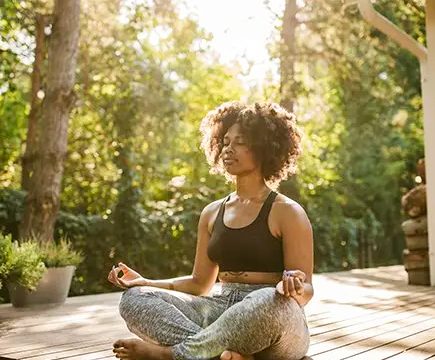
Another key element of restorative yoga is the focus on mindfulness. Mindfulness is the practice of being fully present in the moment, paying attention to your thoughts, sensations, and emotions without judgment. In restorative yoga, each pose is an opportunity to connect more deeply with your body and breath. You are encouraged to observe any sensations or emotions that arise during the practice, letting go of any expectations or goals. This non-judgmental awareness helps to release mental and emotional tension, fostering a sense of inner peace and renewal.
The Healing Power of Restorative Poses
Restorative yoga is all about providing support to the body, allowing it to fully relax into the poses. These supported poses help to gently stretch and open the body without any strain. A typical restorative session might include a variety of poses that target different areas of the body, each held for several minutes. The use of props allows you to find deep comfort in each position, allowing your body to let go of tension and stress. Here are some common restorative poses and their benefits:
Supported Child’s Pose (Balasana): Child’s pose is a grounding and soothing pose that helps to relax the back, hips, and shoulders. To make it restorative, you can place a bolster or blanket under your torso for support. With your forehead resting on the mat or a prop, focus on your breath, allowing your body to soften with each exhale. This pose is especially helpful for releasing tension in the lower back and calming the nervous system.
Supported Savasana (Corpse Pose): Savasana is often considered the most restorative pose in yoga, as it allows the body to fully relax and integrate the benefits of the practice. In a restorative setting, you can use blankets, bolsters, or cushions to support your body, making it as comfortable as possible. Lying on your back with your arms by your sides and your palms facing up, close your eyes and focus on deep, slow breathing. This pose encourages relaxation, allowing the body to release any remaining tension.
Reclining Bound Angle Pose (Supta Baddha Konasana): This pose helps to open the hips and chest, promoting a sense of relaxation and expansion. To practice this pose restoratively, lie on your back and place a bolster or pillows under your spine for support. Bring the soles of your feet together and let your knees fall out to the sides. You can also place blankets under your knees for extra comfort. This pose encourages deep relaxation while opening the body and encouraging a sense of ease.
Legs Up the Wall (Viparita Karani): Legs up the wall is a calming and restorative pose that helps to relieve tension in the legs and lower back. To practice this pose, lie on your back with your legs extended up against a wall. You can place a bolster or blanket under your hips to support your spine. This pose encourages circulation, reduces fatigue, and promotes relaxation, making it a perfect way to release the stresses of the day.
Supported Bridge Pose (Setu Bandhasana): Bridge pose is a gentle backbend that opens the chest and strengthens the glutes and lower back. In its restorative form, you can use a block or bolster under your sacrum to support the pelvis. This allows you to gently open the chest and hips while relaxing the lower back. This pose is beneficial for counteracting the effects of sitting for long periods and can help to improve posture.
Mindful Breathing and Meditation
In addition to the physical poses, mindful breathing and meditation play an integral role in restorative yoga. As you move through the practice, you are encouraged to focus on your breath, allowing each inhale and exhale to guide you into a deeper state of relaxation. The breath acts as an anchor, helping you stay present and focused. By breathing deeply and slowly, you activate the parasympathetic nervous system, calming the mind and reducing stress.
Meditation can also be incorporated into a restorative yoga session to enhance the experience of renewal. After holding several restorative poses, take a few minutes to sit quietly and focus on your breath or a specific intention. This practice of mindfulness meditation helps to cultivate a sense of inner peace, quieting the mind and allowing you to release any lingering stress or worry.
How Restorative Yoga Enhances Renewal
Restorative yoga is a powerful tool for renewal because it allows you to step away from the demands of daily life and give your body and mind the time and space they need to heal. Whether you’re recovering from a stressful period, dealing with physical tension, or simply in need of emotional replenishment, restorative yoga offers a safe and nurturing environment for renewal.
The deep relaxation fostered in each restorative pose promotes healing on both a physical and emotional level. As you release tension in your body, you also create space for mental clarity and emotional well-being. By focusing on your breath and being fully present in each moment, you can connect more deeply with yourself, allowing any stress or negativity to melt away. This sense of renewal not only rejuvenates the body but also cultivates a greater sense of mindfulness and balance in your everyday life.
Conclusion
Mindful restorative yoga offers a gentle yet powerful practice for renewal. It provides a space to slow down, relax, and reconnect with your body and mind. By incorporating restorative poses, mindful breathing, and meditation into your routine, you can create a nurturing environment for healing and self-care. Whether you’re looking to reduce stress, relieve physical tension, or find emotional balance, restorative yoga offers a restorative path toward greater well-being. In a world that often encourages constant motion, mindful restorative yoga provides a much-needed opportunity to pause, renew, and return to yourself.