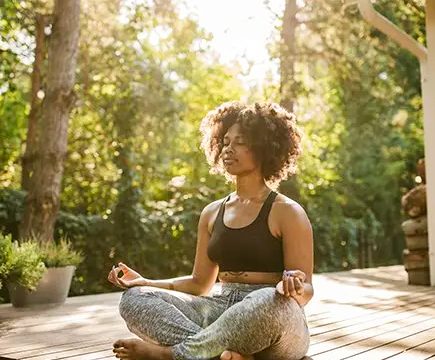
In a world filled with distractions, finding moments of stillness and clarity can be challenging.
We are constantly bombarded with notifications, demands, and endless tasks that make it difficult to focus.
For those seeking to sharpen their concentration and cultivate mental clarity, flow yoga presents a unique and powerful solution. This dynamic practice integrates movement, breath, and mindfulness, offering a pathway to quiet concentration that benefits both the mind and the body.
Flow yoga, often referred to as vinyasa yoga, is a style of yoga where movements are linked with the breath, creating a continuous flow from one posture to the next. Unlike traditional forms of yoga that might hold poses for longer periods, flow yoga focuses on seamless transitions, where the breath guides each movement. This constant movement helps to keep the mind engaged and present, naturally fostering concentration. Through this process, practitioners not only strengthen their bodies but also develop the mental clarity and focus needed to stay centered in the present moment.
One of the key components of flow yoga that supports concentration is the breath. In yoga, breath is viewed as the life force, or prana, that energizes and sustains the body. In flow yoga, the breath is used as a tool to guide movement and maintain focus. As you move through each pose, your breath becomes your anchor. This connection between breath and movement encourages a deep state of mindfulness. When you synchronize your breath with your actions, it naturally calms the mind, quieting the noise and distractions that often make it difficult to concentrate.
The act of breathing deeply and consciously helps to activate the parasympathetic nervous system, the part of the nervous system responsible for relaxation. As you inhale and exhale with intention, you invite a sense of calm into the body. This calmness creates an internal environment conducive to focus, allowing you to stay present in your practice. Flow yoga, by its very nature, invites you to clear away mental clutter and develop a deeper connection with yourself.
In addition to breathing, mindful movement is another aspect of flow yoga that enhances concentration. As you move from one pose to the next, the emphasis is on being present in each moment. The fluidity of movement requires you to be aware of how your body feels as it transitions between poses. This practice of mindful movement trains the brain to pay attention to the present moment, improving concentration not just on the mat but also in daily life.
Each posture in flow yoga is like a micro-practice of focus and intention. For instance, when holding a downward dog pose, you are invited to pay attention to the alignment of your body—how your hands, feet, and spine align. By noticing the subtle sensations in your body, your mind is guided to focus on the task at hand, keeping you rooted in the present. This heightened awareness and concentration naturally extend beyond the yoga mat and into your interactions, work, and daily activities.
Flow sequences are designed to create a smooth transition from one posture to another, allowing for continuous movement. This flowing nature of the practice encourages you to focus on the rhythm of your breath and body, which helps to quiet mental distractions. When you’re moving fluidly through a series of poses, you’re not thinking about the past or future; you’re entirely focused on the present. This form of concentration is akin to a form of moving meditation, where the body becomes the focus and the mind finds clarity amidst the movement.
An example of a flow sequence that supports concentration is the sun salutation. The sun salutation is a series of poses performed in a flowing sequence that connects movement with breath. As you move through the sequence, each breath guides the transition from one pose to the next. The rhythm of the movements and the breath can help calm the mind and center your attention. Repeating the sun salutation several times in a row can deepen your focus, allowing you to settle into a quiet, meditative state.
The concept of balance is also central to flow yoga and can be a useful tool for enhancing concentration. Many flow sequences incorporate balancing poses that require you to focus on your body’s alignment and center of gravity. Poses like tree pose, warrior III, or half moon pose challenge you to engage your core and find stability in your body. In order to hold these poses, you must focus on your breath and the subtle sensations of balance in your body, effectively quieting any wandering thoughts. As you strengthen your ability to balance, both physically and mentally, you improve your concentration in all areas of life.
Another aspect of flow yoga that aids concentration is the ability to cultivate a sense of presence. When you practice flow yoga, you are invited to let go of external distractions and turn your attention inward. This inward focus helps you become more attuned to your body and breath. It is this awareness of the present moment that supports the development of quiet concentration. The more you practice being fully present in each movement, the easier it becomes to maintain focus, not only on the mat but also in your daily life.
It’s important to note that flow yoga is not just about the physical practice. The mental benefits of the practice are equally important. Flow yoga offers a mental workout, as it challenges you to stay focused on your breath, the movement, and the sensations in your body. Over time, this practice strengthens the mind’s ability to concentrate and develop patience. The fluidity of the practice encourages flexibility not only in the body but also in the mind.
When practicing flow yoga with the intention to improve concentration, it can be helpful to start with a clear intention or sankalpa. A sankalpa is a positive affirmation or intention that you set for your practice. It could be something simple like “I am focused” or “I am present.” This intention acts as a guiding principle throughout your practice, helping you stay centered and mindful. By returning to your intention whenever your mind starts to wander, you reinforce your commitment to focus, both in yoga and in life.
Practicing flow yoga regularly also helps to build neuroplasticity, which is the brain’s ability to adapt and reorganize itself. The more you practice concentration, the stronger your brain becomes in that capacity. As flow yoga combines movement and breath with focused awareness, it can significantly enhance your ability to concentrate, making it easier to stay mentally clear and present throughout the day.
In conclusion, flow yoga is a powerful practice for cultivating quiet concentration. By synchronizing breath with movement, practicing mindful awareness, and focusing on the present moment, flow yoga provides a holistic approach to enhancing mental clarity and focus. This dynamic form of yoga strengthens both the body and the mind, fostering a sense of calm, balance, and presence that extends far beyond the mat. With consistent practice, flow yoga can help you develop the concentration you need to navigate life’s challenges with clarity and focus, ultimately bringing a deeper sense of peace and mindfulness into every aspect of your life.