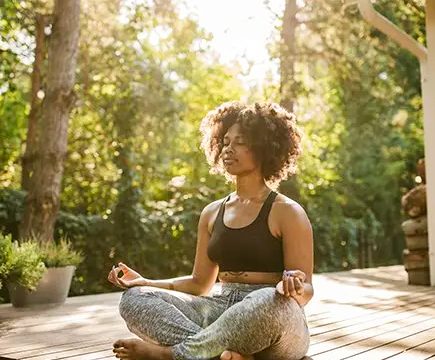
In the hustle and bustle of daily life, it’s easy to feel overwhelmed.
The constant stream of tasks, deadlines, and responsibilities can leave little room for the kind of deep, intentional movement that helps us reconnect with our bodies and minds.
For many, finding a form of exercise that encourages calm and control is essential to counterbalance the physical and mental demands of modern life. Pilates, with its focus on slow, deliberate movement, offers a perfect solution.
Pilates is not only about building strength and flexibility; it’s about developing a deep sense of body awareness through controlled, mindful motion. Unlike other forms of exercise that might emphasize speed or high-intensity movement, Pilates encourages precision and thoughtful engagement of the muscles. This focus on controlled movement allows practitioners to cultivate a sense of calm while also improving strength, stability, and overall coordination.
The heart of Pilates lies in its ability to bring a person’s attention to the present moment. Every exercise is designed to encourage mindful engagement of the muscles, often targeting areas that are neglected in other forms of exercise. For example, Pilates emphasizes the use of the core muscles, including the abdominal, back, and pelvic muscles. Engaging the core in a controlled manner helps promote better posture and spinal alignment, while also fostering an increased sense of control over your body.
One of the key principles of Pilates is breathing. Breath is not just a passive act in Pilates; it plays an active role in facilitating movement and maintaining focus. Pilates practitioners are taught to breathe deeply and intentionally throughout each exercise, coordinating the breath with each motion. This conscious breathing helps to relax the mind and calm the nervous system, which is especially beneficial in a world filled with stress and anxiety. The rhythm of the breath allows the body to move fluidly and with intention, encouraging a gentle, controlled flow in each exercise.
The controlled movements in Pilates are deliberate, slow, and purposeful. Each movement is performed with a focus on alignment and form, ensuring that the body is engaged in the most effective way possible. By working in a slow and controlled manner, Pilates helps to increase the mind-body connection. This connection is key to fostering a sense of calm as you are encouraged to move with intention rather than rushing through exercises. The slow, methodical pace of Pilates encourages a deeper awareness of how your body feels and functions, allowing you to listen to your body’s needs rather than just pushing it through a routine.
Another significant aspect of Pilates is its focus on balance and coordination. Pilates exercises typically require the coordination of multiple muscle groups working together, fostering a balanced and controlled approach to movement. By regularly engaging in Pilates, individuals can learn how to move with greater ease, whether they are practicing Pilates or simply going about their daily activities. The increased control over movement and the ability to maintain proper alignment leads to smoother, more fluid motion in everyday life.
This sense of controlled movement is not just about physical strength—it also impacts the mind. Pilates encourages concentration and focus, which helps reduce mental clutter. The concentration required to move with precision in Pilates provides an opportunity to clear your mind of distractions. With each breath and movement, Pilates allows you to center your thoughts and be fully present in your practice. The slow, deliberate pace promotes a state of mindfulness, which can have lasting effects on mental well-being.
Pilates can also help develop muscle endurance and flexibility, which in turn enhance controlled movement. Flexibility plays a key role in the ability to move fluidly and without strain. Many Pilates exercises focus on lengthening the muscles, improving their range of motion, and allowing them to move freely without tension or discomfort. By increasing flexibility, Pilates practitioners can prevent tightness and stiffness in the muscles, making their movements more fluid and controlled both during exercise and in daily life. Similarly, Pilates builds muscle endurance by challenging muscles to work in sustained, controlled ways. As endurance improves, movements become easier and require less effort, contributing to the overall sense of ease and control.
While Pilates is often associated with physical benefits, its impact on mental well-being should not be underestimated. Pilates is an effective form of stress relief, as it promotes a sense of relaxation through focused movement and breathing. The mindfulness cultivated in Pilates can help calm the mind and reduce feelings of anxiety. Many people find that after a Pilates session, they feel mentally clearer and more at ease. This is because the practice helps to activate the parasympathetic nervous system, which is responsible for the body’s rest-and-digest response. The result is a sense of calm and relaxation that can last long after the workout is over.
Pilates is also low-impact, making it suitable for people of all ages and fitness levels. The controlled, deliberate movements place less stress on the joints and muscles compared to high-intensity exercises. This makes Pilates an excellent choice for individuals with joint concerns, injuries, or those who are simply looking for a gentler form of exercise. The low-impact nature of Pilates also means that it can be practiced daily, providing consistent benefits without the risk of overexertion or strain.
The ability to control and manipulate your own movements is a skill that can be transferred to other areas of life. In Pilates, you are constantly working to develop greater body awareness and control. The more you practice, the more you become attuned to how your body feels and moves. This heightened awareness can help you make better decisions in everyday activities, from sitting at a desk to carrying groceries or picking up a child. The skills developed in Pilates can help you perform tasks with greater ease and less risk of injury because you learn to control and stabilize your body with each movement.
Beyond the physical benefits, Pilates provides an emotional outlet that promotes a sense of calm. In the same way that yoga often emphasizes mindfulness, Pilates encourages a form of mental release that allows for greater emotional clarity. The mindful, controlled movement helps to release pent-up tension and promotes emotional well-being. The physical practice of Pilates provides a grounding experience, allowing practitioners to reset and recharge mentally, which is essential in today’s fast-paced and often stressful world.
As you engage in Pilates, you will notice that the focus on controlled motion begins to seep into your everyday movements. You will start to notice how you walk, stand, or even reach for objects with more ease and purpose. The slow and intentional movement practiced in Pilates translates into more graceful, coordinated, and controlled actions outside of your workout. Your posture will improve, your balance will become steadier, and your body will feel lighter and more fluid.
In conclusion, Pilates offers a unique approach to exercise that encourages calm, controlled motion. Through its focus on precision, alignment, and coordination, Pilates promotes a sense of body awareness and mindfulness. The practice fosters improved posture, flexibility, strength, and endurance, all while helping you develop greater control over your movements. The calming, low-impact nature of Pilates makes it an ideal practice for those seeking to reduce stress, improve body control, and cultivate a sense of ease and mindfulness in both body and mind. By incorporating Pilates into your routine, you can enjoy the benefits of controlled movement that extend far beyond the mat, enhancing the quality of your everyday life.