In our fast-paced world, the idea of play often gets overshadowed by the demands of daily life.
Yet, play is not just a pastime; it is a fundamental aspect of human development and understanding.
From childhood through adulthood, engaging in playful activities can shape our skills, enhance our creativity, and deepen our understanding of the world around us.
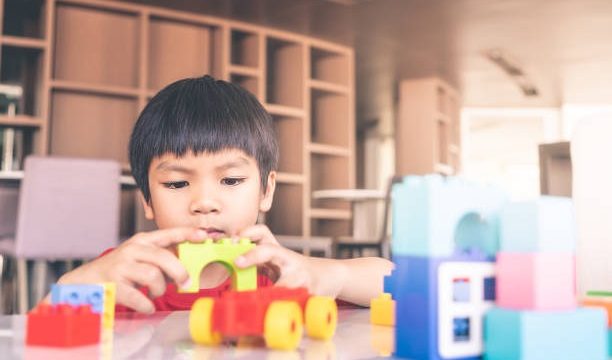
Play is inherently a natural behavior, deeply embedded in our biology. For children, it serves as a primary means of learning. Through play, they explore their environment, test boundaries, and develop critical thinking skills. Whether they are building a fort from couch cushions or engaging in imaginative role-play, children are constantly processing information and honing their abilities. This exploration fosters a sense of curiosity, encouraging them to ask questions and seek answers, laying the groundwork for lifelong learning.
As we grow older, the form of play may change, but its significance remains. Adults often find themselves caught up in responsibilities, and leisure time can feel like a luxury. However, incorporating playful elements into our lives can be transformative. It can be as simple as trying out a new hobby, joining a dance class, or even engaging in friendly competition with friends. These activities not only provide a break from routine but also stimulate our minds and bodies in ways that traditional learning cannot.
The beauty of play lies in its ability to foster creativity. When we allow ourselves to play, we step outside the confines of our everyday roles and responsibilities. This freedom can lead to innovative thinking and problem-solving. For instance, artists often find inspiration in spontaneous play, whether through collaborative projects or experimental techniques. This playful exploration can lead to breakthroughs that may not have been possible through structured methods alone.
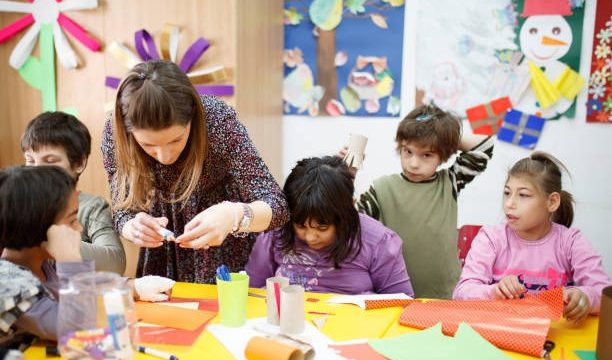
In addition to creativity, play enhances social skills. When we engage in playful activities with others, we learn to communicate, collaborate, and empathize. Team sports, board games, and group activities encourage us to navigate social dynamics, understand differing perspectives, and develop a sense of camaraderie. These experiences are invaluable, as they teach us how to work together toward common goals and handle conflicts gracefully. The friendships and connections formed through play can provide support and joy throughout life.
A small shift toward balance can also be found in the relationship between play and wellness. Engaging in playful activities can reduce stress and promote mental health. When we immerse ourselves in something enjoyable, our bodies release endorphins, creating feelings of happiness and relaxation. This can be particularly beneficial in our busy lives, where stress often takes center stage. By carving out time for play, we give ourselves permission to unwind, recharge, and reconnect with our sense of joy.
For those who may feel they have outgrown play, it’s essential to remember that play comes in various forms. It doesn’t have to be loud or boisterous; it can be quiet and introspective. Activities like gardening, painting, or even solving puzzles can be incredibly playful and rewarding. The key is to find what resonates with you and embrace it without judgment. Allow yourself to explore, experiment, and enjoy the process without the pressure of achieving a specific outcome.
Moreover, play can be a powerful tool for personal growth. It encourages us to take risks and step outside our comfort zones. Trying something new, even if it feels intimidating, can lead to profound insights about ourselves. Perhaps you’ve always wanted to learn a musical instrument or try your hand at cooking a new cuisine. Engaging in these activities can reveal hidden talents and passions, further enriching our understanding of who we are.
In the realm of education, the significance of play is increasingly recognized. Educators are integrating play-based learning into curriculums, understanding that children learn best when they are actively engaged. This approach not only makes learning enjoyable but also helps students retain information more effectively. When children are allowed to explore concepts through play, they develop a deeper understanding that goes beyond rote memorization.
As we reflect on the role of play in our lives, it’s worth considering how we can prioritize it. Perhaps it means scheduling regular game nights with friends or setting aside time each week for a creative project. It might involve seeking out local classes or workshops that spark your interest. The important thing is to create space for play, recognizing its value in shaping our understanding, skills, and overall well-being.
In conclusion, play is not merely a childhood pastime; it is a vital aspect of human experience that shapes our understanding and skills throughout life. By embracing play, we open ourselves to creativity, social connection, and personal growth. In a world that often demands our constant attention, let us remember the joy and learning that come from playful exploration. Whether through laughter with friends, creative pursuits, or simply allowing ourselves to be curious, play offers a pathway to a richer, more fulfilling life. So, take a moment today to engage in something that brings you joy. You may just discover new insights and skills waiting to be uncovered.