Learning through play is a beautiful concept that resonates deeply with our innate curiosity and desire to explore.
In a world that often emphasizes structured learning and rigid educational frameworks, the idea of play as a vehicle for growth and understanding feels refreshing.
It invites us to reconsider how we engage with knowledge and the world around us.
When we think of play, we may picture children laughing in a park, building castles in the sand, or pretending to be superheroes. However, the essence of play goes beyond mere fun. It is a natural way of learning that fosters creativity, critical thinking, and emotional intelligence. As adults, we can also harness the power of play, embracing it as a purposeful tool in our own lives and the lives of those we care for.
A small shift toward balance can help us appreciate the role of play in learning. While traditional education often prioritizes memorization and standardized testing, play encourages exploration and experimentation. It allows learners to engage with concepts in a hands-on manner, making the experience more memorable and meaningful. This approach nurtures a sense of wonder, which is crucial for lifelong learning.
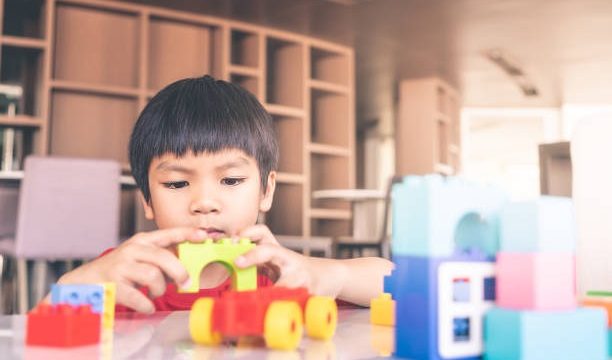
Consider the simple act of playing with building blocks. As children stack and balance their creations, they are not just having fun; they are engaging with fundamental principles of physics, engineering, and even art. They learn about cause and effect, spatial awareness, and problem-solving—all while being absorbed in the joy of creation. This playful engagement often leads to deeper understanding than a lecture ever could.
As adults, we can cultivate a similar spirit of playfulness in our lives. Whether it’s through hobbies, creative pursuits, or even in our professional environments, integrating playful elements can enhance our learning experiences. For instance, a workplace that encourages brainstorming sessions with interactive activities can spark innovative ideas and strengthen team dynamics. By incorporating play into our daily routines, we can rejuvenate our minds and foster a culture of curiosity.
Engaging in playful activities can also serve as a powerful stress reliever. Life can often feel overwhelming, with responsibilities piling up and deadlines looming. Taking a moment to engage in something light-hearted, like painting, playing a game, or even dancing in the living room, can provide a much-needed respite. These moments of joy not only lift our spirits but also enhance our cognitive functions, leading to improved focus and productivity when we return to our tasks.
Another beautiful aspect of learning through play is the way it nurtures social connections. Whether it’s playing a board game with friends or participating in a group sport, these experiences create bonds and encourage teamwork. In the process, we learn valuable lessons about communication, empathy, and collaboration. These skills are not just beneficial during childhood; they are essential throughout our lives, shaping our interactions and relationships.
As we navigate the complexities of modern life, it’s crucial to remember the importance of balance. Introducing play into our routines doesn’t mean we neglect our responsibilities; rather, it enriches our lives, providing a holistic approach to learning and well-being. By allowing ourselves—and encouraging others—to engage in playful activities, we create an environment where creativity flourishes and joy becomes part of the learning process.
The beauty of learning through play lies in its accessibility. It doesn’t require formal settings or expensive materials. Often, the simplest activities yield the most profound insights. A walk in nature can inspire curiosity about the environment, while cooking a meal together can spark discussions about nutrition and culture. These moments of shared experience become lessons in themselves, weaving knowledge into the fabric of our everyday lives.
For parents and caregivers, fostering an atmosphere that values play is essential. It’s important to create spaces where children feel free to explore, ask questions, and express their creativity. Instead of directing their play, we can encourage them to lead the way, discovering their interests and passions organically. This approach nurtures independence and self-confidence, laying a strong foundation for future learning.
As we reflect on our own experiences with play, it’s worth considering how we can integrate this spirit into our lives more fully. Perhaps it’s time to revisit a childhood hobby or try something entirely new. Joining a dance class, taking up painting, or simply setting aside time for unstructured fun can reignite our passion for learning. Embracing play as a lifelong pursuit allows us to remain engaged and open-minded, continually evolving in our understanding of the world.
In conclusion, learning through play is not just for children; it’s a vital aspect of the human experience. By recognizing the value of play in our own lives and the lives of those around us, we can cultivate a richer, more fulfilling approach to learning. Let us embrace the joy of discovery, celebrate creativity, and remember that through play, we can unlock endless possibilities for growth and connection. In the gentle dance between learning and play, we find a harmonious balance that nourishes our minds and hearts alike.