Learning Through Play for Everyday Learning
In a world where schedules can feel overwhelming and the pressure of formal education looms large, the concept of learning through play offers a refreshing perspective.
It’s an approach that encourages children—and even adults—to embrace the joy of discovery while engaging in activities that feel less like work and more like fun.
This philosophy is not just a whimsical notion; it’s grounded in research and practical experience, highlighting the importance of play in everyday learning.
Play is often underestimated in its power to foster creativity, problem-solving, and critical thinking. When children engage in play, they enter a world where their imagination takes the lead. Whether it’s building a tower out of blocks, pretending to be a chef in a make-believe kitchen, or exploring the outdoors, each activity serves as a vital opportunity for learning. It’s in these moments that children experiment, ask questions, and explore the world around them.
A gentle shift toward balance
In our fast-paced lives, it’s easy to prioritize structured learning over play. However, integrating play into daily routines can create a more balanced approach to education. Think of it as an invitation to slow down, breathe, and enjoy the process of learning. For parents, caregivers, and educators, this means recognizing that every moment can be a learning opportunity, especially when infused with elements of play.
Imagine a simple afternoon at home where chores are transformed into engaging activities. Cooking dinner can evolve into a math lesson as children measure ingredients or a science experiment when discussing the changes food undergoes during cooking. Such moments emphasize that learning doesn’t have to be confined to a classroom; it can happen in the most unexpected places, often when we least expect it.
The art of exploration
Exploration is at the heart of play. Children are naturally curious, and when we encourage that curiosity through play, we nurture their desire to learn. Outdoor play, for instance, provides a rich environment for exploration. Whether it’s examining bugs, collecting leaves, or observing the weather, children are immersed in a world of wonder. These experiences not only enhance their understanding of the natural world but also promote physical health, social skills, and emotional well-being.
As adults, we can also benefit from this playful approach. Engaging in activities that spark our curiosity can lead to new hobbies, skills, and even friendships. It’s about allowing ourselves the freedom to explore without the constraints of expectation. Whether it’s picking up a paintbrush, trying out a new recipe, or taking a nature walk, these playful endeavors can enrich our lives and expand our horizons.
Creating a playful environment
To foster a culture of learning through play, it’s essential to create an environment that encourages exploration and creativity. This doesn’t necessarily mean transforming your home into a playroom; rather, it’s about being intentional with the spaces we inhabit. Simple adjustments, like having art supplies readily available or creating a cozy reading nook, can invite spontaneous moments of play.
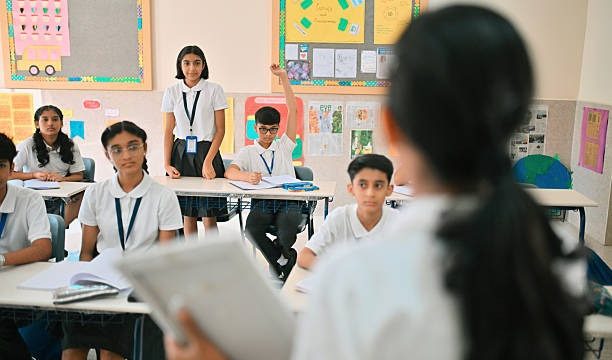
In schools, incorporating playful learning can take many forms. From interactive lessons that involve movement to project-based learning that allows for creative expression, the possibilities are endless. Educators who embrace this approach often find that students are more engaged, motivated, and eager to participate. This shift not only enhances academic performance but also nurtures a lifelong love of learning.
The power of connection
One of the most beautiful aspects of learning through play is its ability to foster connection. Whether it’s parents playing with their children or friends collaborating on a project, these shared experiences create bonds that can last a lifetime. Play encourages communication, teamwork, and empathy, skills that are invaluable in our increasingly interconnected world.
Moreover, these moments of connection can provide a sense of belonging and security. For children, knowing they have a safe space to explore and express themselves is crucial for their emotional development. As adults, nurturing these connections can lead to deeper relationships and a greater sense of community.
Embracing the journey
As we navigate the complexities of life, it’s important to remember that learning is a journey, not a destination. Embracing play as a central component of this journey allows us to approach life with curiosity and openness. It invites us to appreciate the little moments, to find joy in the process, and to recognize that every experience can teach us something valuable.
Incorporating play into our daily lives doesn’t require a grand overhaul. It can be as simple as taking a break to engage in a fun activity, exploring a new hobby, or encouraging spontaneous play with loved ones. By making these small shifts, we can create an environment where learning flourishes, and where joy and curiosity coexist.
The beauty of learning through play lies in its simplicity and accessibility. It reminds us that education doesn’t have to be rigid or formal; it can be fluid, dynamic, and deeply fulfilling. As we embrace this approach, we cultivate a culture that values creativity, exploration, and connection—one where learning is a lifelong adventure filled with wonder and joy.
So, let’s celebrate the playful moments in our lives. Let’s allow ourselves the grace to learn through play, to explore with curiosity, and to connect with others in meaningful ways. In doing so, we not only enrich our own lives but also inspire those around us to embrace the beauty of learning through play.