In a world that often equates success with rigorous academic training, the simple joy of play can sometimes be overlooked.
Yet, the truth is that play is not merely a pastime; it is a vital component of early childhood development and a powerful tool for academic readiness.
As we explore the importance of learning through play, we will uncover how this delightful approach can lay a solid foundation for future learning.
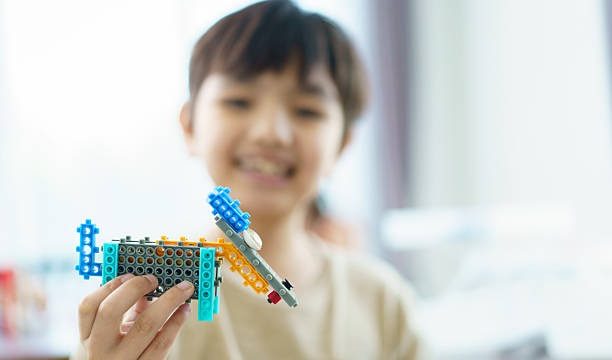
The beauty of play lies in its natural ability to engage children’s curiosity. When they are immersed in play, children are not just having fun; they are exploring their environment, experimenting with ideas, and developing critical thinking skills. Whether it’s building a tower out of blocks or pretending to be a chef in a make-believe kitchen, these playful activities are rich with opportunities for learning. They encourage children to ask questions, solve problems, and think creatively—all essential skills for academic success.
One of the most significant advantages of learning through play is that it fosters a love for learning. When children engage in activities they enjoy, they are more likely to develop a positive attitude toward education. This enthusiasm can carry over into their school years, making them more receptive to new concepts and ideas. Play creates a safe space for children to explore their interests, and this exploration can lead to a lifelong passion for learning.
As children play, they also develop important social skills. Interactive play, whether with peers or family members, teaches them how to communicate effectively, share, and work collaboratively. These social interactions are crucial for academic readiness, as they help children learn how to navigate group dynamics in a classroom setting. The ability to express their thoughts and feelings, as well as to listen to others, lays the groundwork for productive relationships with teachers and classmates alike.
In addition to social skills, play enhances emotional development. Through play, children learn to express their emotions and manage their feelings. They encounter challenges, face setbacks, and experience the thrill of success—all of which contribute to emotional resilience. This emotional intelligence is essential for academic settings, where children must cope with various pressures and navigate the ups and downs of school life.
A small shift toward balance can also be observed in the way children engage with different types of play. Imaginative play, for instance, allows children to step into different roles and scenarios, fostering empathy and perspective-taking. When they take on the role of a doctor, a parent, or even a superhero, they learn to see the world from various viewpoints. This ability to empathize with others is not just a valuable life skill; it also enhances their understanding of narratives and characters when they encounter literature and storytelling in school.
Physical play, on the other hand, supports gross motor skills and coordination. Activities like running, jumping, and climbing not only promote physical health but also help children develop the focus and concentration necessary for academic tasks. As they engage in these activities, they learn to control their bodies, which translates to better performance in tasks that require fine motor skills, such as writing or using scissors.
Incorporating play into daily routines doesn’t require elaborate setups or expensive toys. Simple, everyday activities can be transformed into playful learning experiences. A trip to the grocery store can become a math lesson as children help count items or compare prices. Cooking together can introduce concepts of measurement and following directions. Even a walk in the park can spark discussions about nature and science.
Furthermore, the role of caregivers in this journey is paramount. By participating in play and showing genuine enthusiasm for learning, parents and guardians can create a nurturing environment that encourages exploration. Asking open-ended questions during playtime, such as “What do you think will happen if we add more blocks?” or “How can we make our game more fun?” can stimulate critical thinking and creativity.
As we navigate through the various forms of play, it is essential to remember that each child is unique. Some may thrive in structured play, while others may prefer unstructured, free-form activities. Understanding a child’s preferences and allowing them to lead the way can foster a sense of autonomy and confidence. When children feel empowered in their play, they are more likely to take risks and embrace new challenges.
The benefits of learning through play extend beyond the early years. As children grow, the skills they acquire through playful exploration become foundational for more complex academic tasks. The creativity nurtured in play can lead to innovative thinking in problem-solving, while the social skills developed can facilitate teamwork and collaboration in higher education and beyond.
In conclusion, learning through play is not just an alternative approach to education; it is a vital necessity for fostering academic readiness. By embracing the joy of play, we equip our children with the tools they need to thrive in school and in life. As we cherish these playful moments, let us remember that each laugh, each discovery, and each imaginative scenario is a stepping stone toward a brighter future. So, let’s encourage our children to play, explore, and learn—because in the world of childhood, play is the most profound teacher of all.