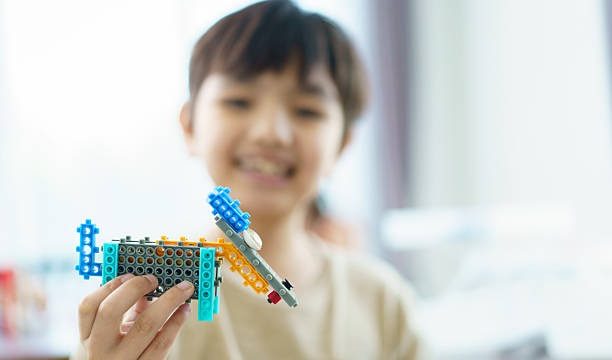
In the tender years of early childhood, play is not just a delightful pastime; it is a vital component of brain development.
As little ones engage in imaginative adventures, build with blocks, or explore the outdoors, they are not merely having fun.
They are also laying the groundwork for cognitive, emotional, and social skills that will serve them throughout their lives. Understanding how play supports early brain growth can help parents and caregivers foster an enriching environment that nurtures a child’s natural curiosity and creativity.
The beauty of play lies in its variety. From solitary activities like coloring to collaborative games with peers, each form of play contributes uniquely to brain development. When children engage in pretend play, for example, they immerse themselves in different roles and scenarios. This not only sparks their imagination but also enhances their problem-solving abilities. As they navigate their make-believe worlds, children learn to think critically and make decisions, skills that are essential for their future academic and personal success.
A gentle exploration of the outdoors can also play a significant role in brain growth. Nature offers a rich tapestry of sensory experiences, from the rustling of leaves to the warmth of the sun. When children explore their environment, they engage their senses, which stimulates brain development. This sensory play helps them make connections between what they see, hear, and feel, laying the foundation for more complex learning later on.
The act of movement is another critical aspect of play that positively influences brain growth. Physical play, whether it’s running around in the park or dancing to music at home, encourages the development of motor skills and coordination. It is also linked to improved mood and cognitive function. When children move their bodies, they release endorphins, which promote feelings of happiness and well-being. This emotional balance is essential for effective learning and social interactions.
As children play, they also learn important social skills. Interactive playtime with peers teaches them about sharing, taking turns, and empathy. Each interaction is an opportunity for children to practice communication and negotiation skills, which are vital for building relationships. As they navigate conflicts and collaborate on games, they develop a sense of community and belonging, further enriching their emotional intelligence.
One cannot overlook the role of caregivers in this dynamic process. When parents and guardians engage in play with their children, they create a nurturing atmosphere that fosters trust and security. This interaction not only strengthens the parent-child bond but also provides children with models for social behavior. Through shared play, caregivers can introduce new ideas and concepts, gently guiding children’s exploration and learning without overwhelming them.
Incorporating a variety of play types into a child’s daily routine can help ensure balanced development. While structured activities like educational games have their place, unstructured playtime is equally important. Allowing children the freedom to explore their interests without a set agenda encourages creativity and innovation. This spontaneous play can lead to unexpected discoveries and insights, enriching the learning experience in ways that structured activities may not.
Moreover, play is a wonderful way to foster resilience. When children encounter challenges during play, whether it’s figuring out how to build a tower that doesn’t fall over or resolving a disagreement with a friend, they learn to persevere. These experiences teach them that failure is a part of learning and that they can adapt and overcome obstacles. This resilience is a crucial life skill that will benefit them as they face challenges throughout their lives.
As children grow, their play evolves, reflecting their developing interests and abilities. This evolution is a natural part of their growth and should be embraced. Caregivers can encourage this progression by introducing new materials and experiences that stimulate curiosity. Simple changes, like providing different art supplies or exploring new outdoor spaces, can spark a child’s imagination and inspire new forms of play.
Creating an environment that supports play is essential. Designating safe spaces for exploration, both indoors and outdoors, allows children to engage freely. It’s also important to minimize distractions from screens and technology during playtime. While digital tools can have educational benefits, they should not replace the rich experiences that come from hands-on exploration and interaction.
In the broader context of early childhood development, play is an essential cornerstone. It enriches the brain’s neural connections, laying a strong foundation for future learning. By understanding the importance of play, caregivers can cultivate an environment that nurtures growth, creativity, and resilience in their children.
As we reflect on the significance of play in early brain growth, it’s clear that this seemingly simple activity holds profound implications for a child’s development. By encouraging play in its many forms, we not only support cognitive and emotional growth but also foster a lifelong love of learning. In a world that often prioritizes achievement and outcomes, it’s essential to remember the value of play as a natural, joyful, and necessary part of childhood.
Ultimately, embracing the power of play allows children to flourish, leading to vibrant, curious, and resilient individuals ready to embrace the world around them. So, let’s celebrate the joy of play and the essential role it plays in shaping our children’s minds and hearts, one imaginative moment at a time.