Exploring Early Learning Through Fun Play
As the sun rises and fills the room with a warm glow, little ones begin their day filled with curiosity and wonder.
Early childhood is a magical time when children are like sponges, absorbing everything around them.
This period is not just about learning the ABCs or counting to ten; it’s a beautiful journey that unfolds through play. The power of play is often underestimated, yet it is one of the most effective ways for children to explore their world, develop skills, and foster creativity.
Play is the language of children. It is how they express themselves, make sense of their experiences, and engage with their surroundings. When children play, they are not just having fun; they are learning vital lessons about themselves and the world. Through various forms of play, they develop cognitive, social, emotional, and physical skills that lay the foundation for their future.
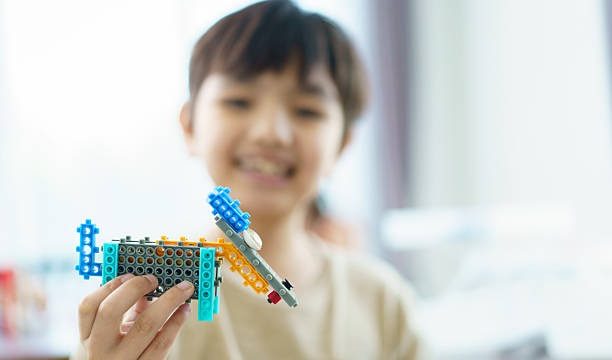
The beauty of play lies in its versatility. It can take on countless forms, from imaginative role-playing to building blocks or engaging in outdoor adventures. Each type of play has its own unique benefits and offers children opportunities to learn in ways that are meaningful to them.
Imaginative play, for example, allows children to step into different roles and scenarios. Whether they are pretending to be a doctor, a superhero, or a chef, they are practicing problem-solving and critical thinking skills. This type of play also nurtures creativity, as children learn to invent stories, create characters, and navigate social interactions. It is in these moments of make-believe that they begin to understand empathy and develop social skills, learning to cooperate and communicate with their peers.
Physical play is equally important. Running, jumping, climbing, and dancing not only promote physical health but also enhance coordination and motor skills. Engaging in activities that require movement helps children to understand their bodies better and fosters a sense of confidence. When they tackle a climbing structure at the playground or kick a ball with friends, they are not just exercising; they are learning about perseverance, taking risks, and celebrating achievements—big or small.
Outdoor play offers yet another dimension to early learning. Nature is a boundless classroom filled with opportunities for exploration and discovery. Whether it’s collecting leaves, observing insects, or simply feeling the texture of grass beneath their feet, children are naturally drawn to the wonders of the great outdoors. This connection to nature fosters a sense of curiosity and encourages environmental awareness. As they explore, they develop a sense of wonder about the world around them, which can lead to a lifelong appreciation for nature.
Incorporating play into everyday routines can transform the mundane into something extraordinary. Simple activities such as cooking together can become a playful learning experience. Measuring ingredients can introduce concepts of math, while discussing flavors and textures can enhance vocabulary. Even chores can become an engaging game, turning the task of cleaning into a fun scavenger hunt. By weaving learning into daily life, parents can create a rich environment that nurtures growth and development without the pressure of formal education.
It is also essential to remember that every child is unique. Their interests, strengths, and preferred ways of learning vary greatly. Some may thrive in structured play with rules and objectives, while others may excel in open-ended, free-form play. Observing and understanding a child’s preferences can help caregivers provide the right balance of activities that encourage exploration and growth.
Creating a supportive environment for play is crucial. This doesn’t necessarily mean having a house filled with expensive toys or elaborate setups. Sometimes, the simplest items can spark the most creativity. A cardboard box can transform into a spaceship, a castle, or a race car, limited only by a child’s imagination. Providing materials that encourage creativity—such as art supplies, building blocks, or even nature finds—can inspire children to explore their ideas and express themselves freely.
As parents and caregivers, it’s vital to engage with children during playtime. Joining them in their adventures not only strengthens the bond between adult and child but also opens pathways for deeper learning. Asking open-ended questions, encouraging storytelling, and participating in their imaginative worlds can enhance their learning experiences. This interaction not only validates their thoughts and feelings but also nurtures their social and emotional development.
In our fast-paced world, it can be easy to overlook the importance of play. However, taking the time to prioritize play in a child’s life can yield incredible benefits. It fosters resilience, nurtures self-esteem, and cultivates a love for learning that can last a lifetime. When children are allowed to explore their interests and engage in play, they develop a strong sense of identity and confidence that will serve them well in their future endeavors.
As we encourage our children to play, let’s also remind ourselves of the joy that comes from these simple moments. The laughter shared, the creativity expressed, and the bonds formed through play are precious gifts. By embracing play as a vital aspect of early learning, we can create an environment where children flourish, both academically and socially.
In the end, it’s about more than just learning; it’s about nurturing happy, well-rounded individuals. So, let us celebrate the power of play and the endless possibilities it brings to our children’s lives. As they embark on their journey of exploration and discovery, let’s join them, reveling in the joy and wonder that only play can provide.