Making Early Math Engaging for Preschoolers
When it comes to early childhood education, the importance of introducing math concepts cannot be overstated.
For preschoolers, math can often seem like a daunting subject, filled with abstract numbers and complicated equations.
However, with a little creativity and a sprinkle of enthusiasm, parents and educators can transform early math experiences into engaging activities that spark curiosity and joy.
The beauty of introducing math at an early age lies in its ability to weave seamlessly into everyday life. By integrating math concepts into play and routine, children can learn without even realizing it. This natural approach helps develop a positive attitude toward math, paving the way for a lifelong appreciation of the subject.
Finding joy in numbers
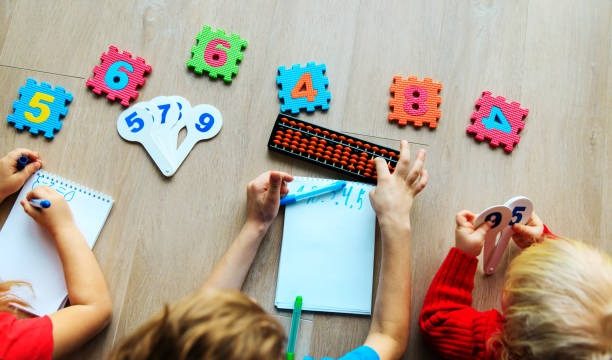
One of the most effective ways to make math enjoyable for preschoolers is to incorporate it into their playtime. Children are naturally curious and love to explore their surroundings. Using everyday objects as learning tools can turn a mundane moment into an exciting math adventure. For instance, while playing with building blocks, parents can encourage their little ones to count how many blocks they have or to sort them by color and size. This not only enhances their counting skills but also introduces basic concepts of sorting and categorizing.
In the kitchen, cooking can also serve as a delightful math lesson. Measuring ingredients introduces concepts such as volume and weight, while counting items like eggs or apples can reinforce basic counting skills. As children help mix and pour, they become active participants in the learning process, associating math with fun and creativity.
Creating a math-rich environment
Creating a math-friendly environment at home can further enhance preschoolers’ engagement with the subject. Simple adjustments can make a world of difference. For example, incorporating math-themed books into the reading nook can spark interest. Stories that involve counting, patterns, or shapes can make math relatable and enjoyable. When children see math reflected in stories, they begin to understand its relevance in their lives.
Additionally, displaying numbers and shapes around the house can provide constant exposure. This can be as simple as labeling items in the home with their corresponding quantities or creating a colorful shape chart. When children interact with these visuals daily, they become more comfortable with the concepts being introduced.
A small shift toward balance
While it’s essential to make math engaging, it’s equally important to ensure that children don’t feel pressured. The goal is to foster a love for learning rather than create anxiety around the subject. Parents and educators should aim for a balanced approach, where learning is fun and pressure-free. This can be achieved by celebrating small successes and encouraging children to explore math concepts at their own pace.
Incorporating movement into math games can also promote a sense of balance. Activities that involve jumping, dancing, or running can be excellent ways to teach counting or simple addition and subtraction. For example, a game that requires children to jump a certain number of times can reinforce counting while keeping them active and engaged.
The power of play
Play is a powerful tool in early childhood education, and it serves as a natural vehicle for learning. Through play, children can explore mathematical concepts in a safe and enjoyable environment. Board games that involve counting spaces or matching numbers can be both entertaining and educational. These games encourage social interaction while promoting critical thinking skills.
Outdoor play can also provide rich opportunities for math learning. Nature walks can inspire counting leaves, identifying shapes in clouds, or measuring the height of trees. These experiences not only make math tangible but also connect children with the world around them.
Encouraging exploration and curiosity
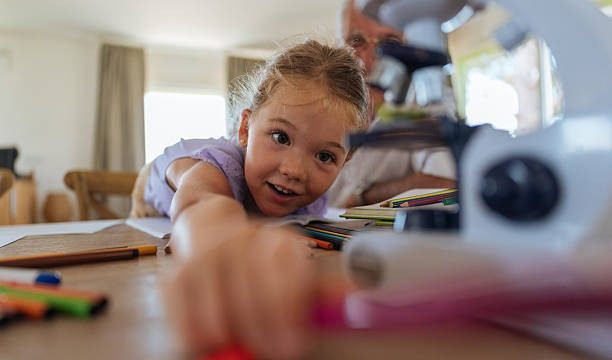
At the heart of making math engaging for preschoolers is the principle of exploration. Encouraging children to ask questions and seek answers fosters a sense of curiosity that drives learning. When children are encouraged to explore math concepts through hands-on activities, they develop a deeper understanding of the subject.
For instance, setting up a simple scavenger hunt where children search for specific shapes or numbers can be a thrilling way to reinforce their learning. This kind of active engagement allows them to connect abstract concepts to real-world objects, making the learning process feel relevant and exciting.
Building confidence through collaboration
Collaboration can also play a significant role in making math enjoyable. Group activities, whether at home or in a preschool setting, can help children learn from one another. Working together on math-related projects or games fosters a sense of community and support. Children can share their ideas and strategies, which not only builds confidence but also promotes critical thinking and problem-solving skills.
As they navigate challenges together, they learn that making mistakes is a natural part of the learning process. This mindset can help alleviate the fear of failure, allowing children to approach math with a sense of adventure rather than apprehension.
Embracing the journey
Ultimately, making early math engaging for preschoolers is about embracing the journey. It’s about finding joy in the learning process and creating a nurturing environment where curiosity can flourish. By integrating math into daily routines, fostering exploration, and encouraging collaboration, we can help children develop a positive relationship with math that lasts a lifetime.
As parents and educators, the goal is to inspire a love for learning that transcends the classroom. With a little creativity and a warm approach, we can turn early math experiences into delightful adventures that set the stage for a bright and successful future. In this way, we can help our little ones see math not just as a subject to be learned, but as a fascinating world to explore.