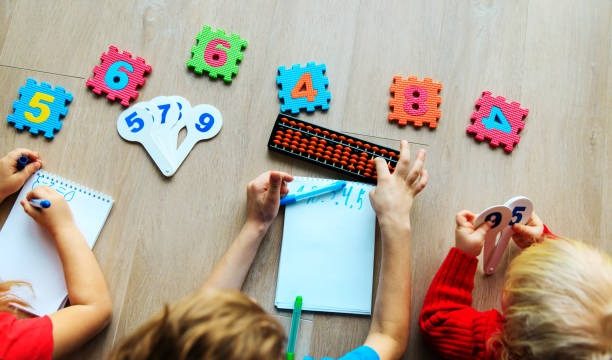
Teaching children to break words into parts can be a delightful journey, one that opens up a world of understanding and creativity.
As parents, caregivers, or educators, we often seek ways to enhance our children’s learning experiences.
By introducing them to the concept of word parts, we can equip them with valuable skills that will serve them throughout their educational paths.
Language is a fascinating puzzle, and words are its pieces. Every word is composed of smaller units, such as roots, prefixes, and suffixes, which can provide clues to their meanings. By teaching children to recognize these components, we not only enrich their vocabulary but also boost their confidence in reading and writing. This skill can be particularly empowering as they encounter new and unfamiliar words.
One gentle approach to introducing this concept is through playful activities that naturally integrate word parts into daily life. For instance, during storytime, parents can pause at certain words and ask children if they recognize any familiar parts. “What do you think ‘unhappiness’ means? Can you find the part ‘un’ or ‘happy’ in there?” Such questions encourage children to think critically about language while making the experience interactive and enjoyable.
Creating a word garden at home can also be a wonderful way to engage children with language. This can be as simple as a bulletin board or a dedicated wall space where children can pin up words they encounter in books or their surroundings. As they add new words, they can also break them down into their parts. This visual representation can help solidify their understanding and make the learning process more tangible. Over time, this garden of words will become a rich tapestry of language, showing not just growth in vocabulary but also an understanding of how language works.
Incorporating games into learning can make the process even more enjoyable. Games like word bingo, where children can fill their cards with words and their parts, or scavenger hunts to find items around the house that start with specific prefixes, can ignite excitement. The key is to keep the atmosphere light and fun, allowing children to explore language without pressure.
Storytelling can also be a powerful tool. When crafting stories together, parents can encourage children to invent words by combining different parts. This not only fosters creativity but also reinforces their understanding of how words are formed. For instance, if a child creates a word like “superhappy,” they can break it down into “super” and “happy,” discussing what each part contributes to the overall meaning. This exercise not only enhances their linguistic skills but also nurtures their imaginative thinking.
As children begin to grasp the concept of word parts, they may find themselves more willing to tackle challenging texts. When they encounter a new word, they can draw upon their understanding of prefixes and suffixes to decipher meaning. This newfound confidence can transform reading from a daunting task into an exciting adventure.
It’s also beneficial to connect language learning to real-life experiences. For example, during a nature walk, children can be encouraged to name plants and animals, discussing the words they use. They might come across “unbelievable” or “invisible,” prompting a conversation about these words’ components. Such connections help children see the relevance of their learning in everyday life, making language feel alive and dynamic.
In addition to playing with words, it’s important to celebrate progress. When children successfully break down a word or use new vocabulary in context, acknowledging their achievements can boost their motivation. Simple praise or even a small reward can reinforce their efforts, creating a positive association with language learning.
As they grow, children can also explore more complex aspects of language, such as etymology—the study of the origin of words. Introducing them to the roots of words from different languages can deepen their appreciation for the richness of language. For instance, exploring the Latin or Greek roots of words can open doors to understanding a multitude of related terms. This exploration can spark curiosity about languages and cultures, enriching their overall educational experience.
In the digital age, resources are abundant. Interactive apps and websites designed for language learning can complement hands-on activities and games. These tools often provide engaging ways for children to practice breaking down words into their components, making learning accessible and fun. However, it’s essential to balance screen time with interactive, real-world experiences to ensure a well-rounded approach to learning.
Ultimately, teaching children to break words into parts is not just about enhancing their reading and writing skills; it’s about nurturing a lifelong love for language. As they learn to dissect words, they also learn to appreciate the beauty of communication. This skill will empower them not only in their academic endeavors but also in their personal expressions and interactions with others.
In this journey, patience and encouragement are key. Every child learns at their own pace, and fostering a supportive environment can make all the difference. By celebrating their milestones, no matter how small, we help children build resilience and a positive attitude toward learning.
As we guide children in this exploration of language, we are not only teaching them about words but also instilling a sense of curiosity and wonder about the world around them. Through breaking down words, we empower them to build a strong foundation for their future, one word at a time. In this way, we are nurturing not just learners but confident communicators ready to engage with the world.